
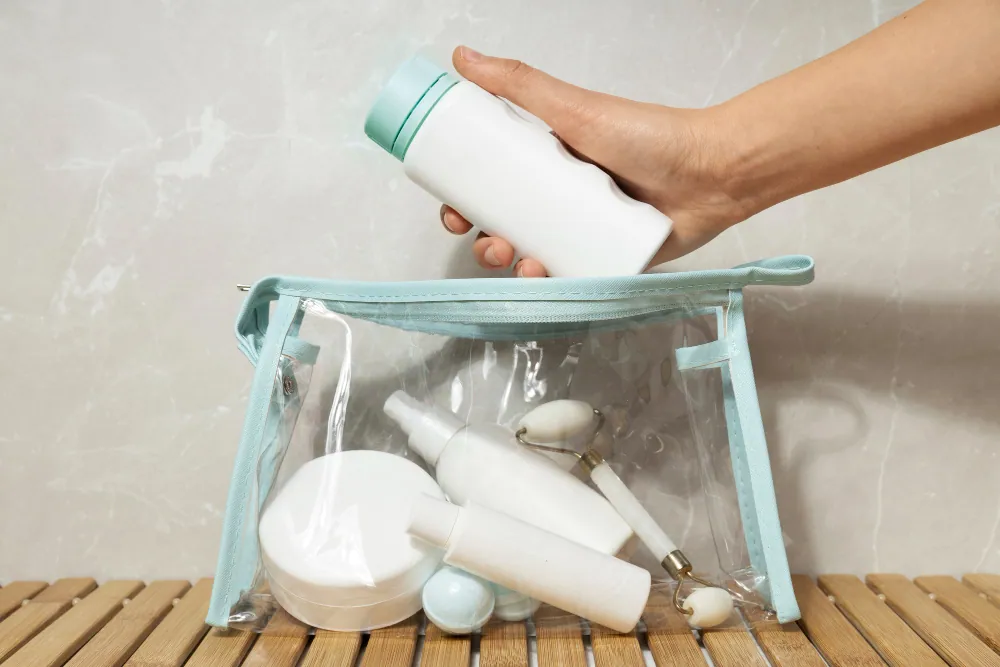
Could a product meant to feel “clean” carry a hidden contaminant? Concerns about asbestos in talc often start with a simple moment…using baby powder, body powder, or cosmetics for years and then wondering what was really in the bottle.
If you’re feeling uneasy, you’re not overreacting. Talc is a naturally occurring mineral used to absorb moisture and reduce friction, and it can sometimes be found near asbestos in the earth. That proximity is why contamination can happen…even when a label sounds reassuring.
Here’s what you’ll get next: a clear explanation of what talc is and how asbestos can end up in talc, the health risks linked to asbestos exposure, and what current rules and testing safeguards do (and don’t) cover. You’ll also find practical, consumer-friendly tips for identifying safer talc products, plus an overview of financial assistance options that may help if you’ve been affected by asbestos exposure. We’ll close with common questions and a short set of takeaways you can save and revisit. If a loved one served in the military, VA benefits may apply — our VA survivor benefits claim guide walks through the steps.
Paying for care: Several paths can help cover mesothelioma treatment, travel, and lost income — trust funds, VA benefits, Medicare/Medicaid, and named grants. Our financial-help overview walks through each one in plain language, with the named programs and how to apply.
The Hidden Risks of Asbestos in Talc Products
If you’ve used talc products or support someone who has, you’re not alone. Many are surprised to find that talc and asbestos can occur near each other in nature, leading to concerns about contamination during mining and processing. Unfortunately, many companies have historically prioritized profits over safety, often hiding the risks associated with asbestos in their products. However, you can take steps to safeguard your health.
This guide equips you with essential tips on identifying safe talc products, key questions to ask about ingredient sourcing, and what to do if you’re concerned about exposure or a diagnosis like mesothelioma. For insights on financial support, see our overview of compensation options.
What Will You Find in This Guide?
We’ll keep it practical and easy to navigate, covering:
- How asbestos contamination may occur and why it’s often difficult to detect
- Common product types, such as powders and cosmetics
- Where to find medical and financial support, including resources based on eligibility
Understanding Talc and Asbestos: A Background Overview
What are talc and asbestos?
Talc is a soft mineral commonly used to absorb moisture and reduce friction. For decades, it has appeared in products like baby powder, body powders, and some cosmetics. It is crucial to be informed about its use and safety.
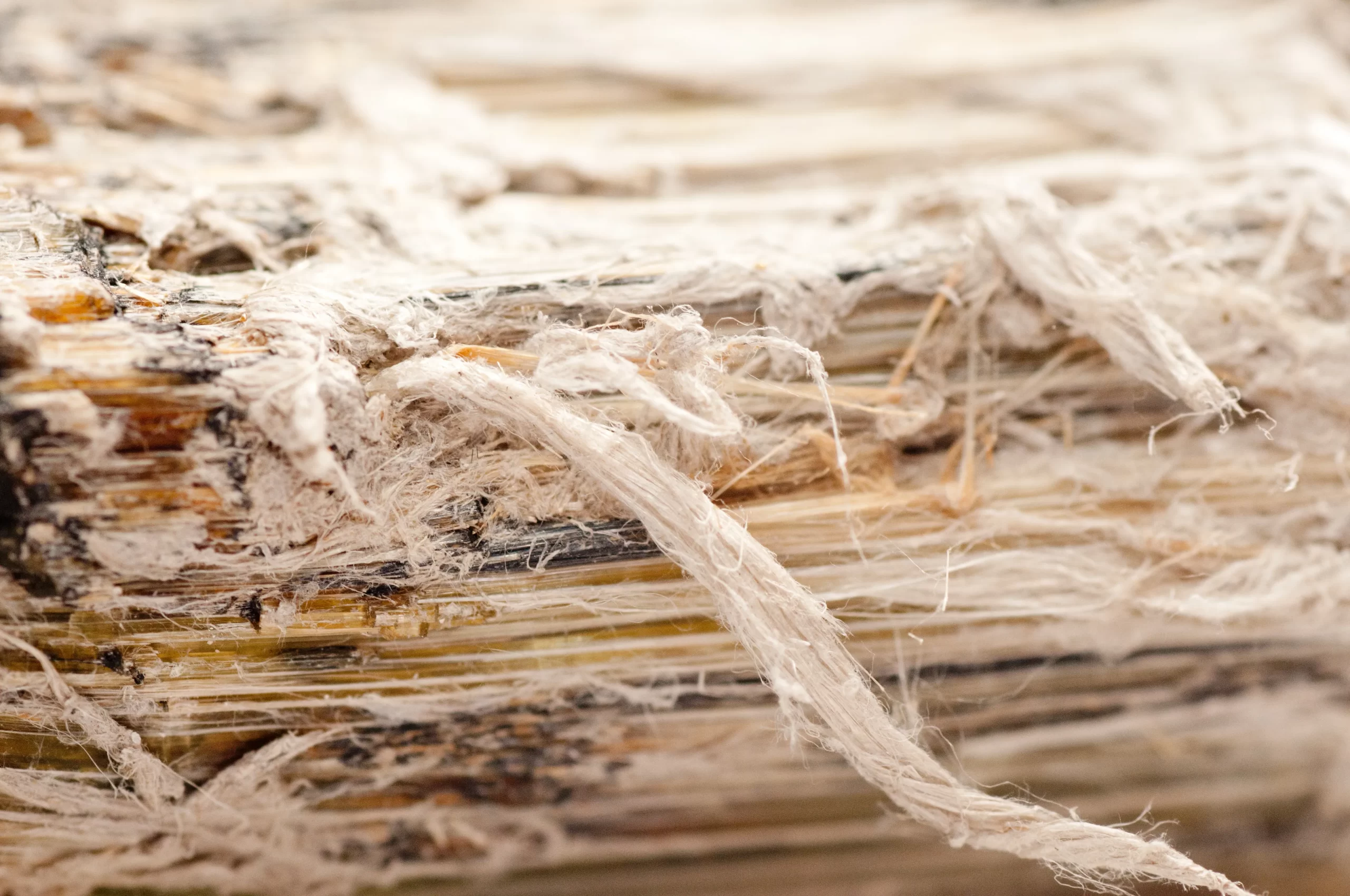
Asbestos consists of a group of naturally occurring minerals made of tiny, durable fibers. Historically, these fibers were valued for their heat resistance and used widely in building materials and industrial settings.
How can talc become contaminated?
Talc and asbestos can form in similar geological settings. This proximity means that talc deposits may be near asbestos, led by the risk of contamination during mining or processing. Notably, some talc-based products have been found to contain asbestos, highlighting the importance of understanding asbestos exposure risks. Many people ask if contamination is always visible. Often, it is not; detecting contamination may require specialized testing.
Why does this matter for consumer products?
If asbestos fibers are present in talc used for personal care products, prolonged exposure through inhalation may occur. If you’re reviewing your past product use or potential exposure, consider documenting the following:
- Product type (powder, cosmetic)
- Years of use and frequency
- Where it was used (bathroom, salon, workplace)
This background makes the next steps…such as documenting exposure and identifying supportive resources…feel a bit more manageable. Remember, it’s important to seek guidance and explore options available to you.
You are not alone. Check your eligibility for financial aid to cover treatments and daily costs before the 2026 deadlines.
Health Risks Associated with Asbestos Exposure from Talc Products
Talc contaminated with asbestos fibers poses significant health risks. Inhalation of tiny fibers during typical use can lead to irritation and serious health complications over time. Many individuals unknowingly expose themselves, as talc powder can become airborne during application. Notably, many women diagnosed with mesothelioma were exposed to asbestos through everyday personal care products, particularly cosmetic talcum powder, which often contained talc sourced from asbestos-laden deposits.
Key Statistics: Non-Industrial Risks
“In a major clinical case series, researchers identified 166 individuals with mesothelioma linked specifically to cosmetic talc. For 122 of these cases (over 70%), the only known source of asbestos exposure was the regular use of personal care talcum powders.”
Source: Journal of Occupational and Environmental Medicine (Case Series)
What health problems are most commonly linked to asbestos?
The health impacts depend on the level and duration of exposure. Common conditions linked to asbestos exposure include:
- Mesothelioma (a cancer affecting the lining of the lungs or abdomen)
- Lung cancer
- Asbestosis (lung scarring that can hinder breathing)
- Pleural disease (thickening or fluid accumulation around the lungs)
When evaluating the relationship between talc and cancer risk, the primary concern is not talc itself but rather the potential for asbestos contamination in specific products. To safeguard yourself, select products with clear labeling and verified third-party testing.
What symptoms should you take seriously?

Signs of exposure may be vague and overlap with common health issues. If you experience persistent shortness of breath, chest pain, a chronic cough, or fatigue…especially following regular use of talc powder or exposure to asbestos…please discuss these symptoms with a clinician.
What can you do next if you’re worried?
Start by collecting the product name(s), usage details, and dates. This information can be valuable when consulting with your doctor about whether screenings or imaging are necessary. If you receive a diagnosis of an asbestos-related condition, consider contacting a Patient Advocate to gain crucial support and resources that can help navigate your options.
Regulatory Landscape: Are There Safeguards Against Asbestos in Talc?
If you’re concerned about asbestos in talc products, you’re not alone. It’s a valid question, and the reality is that safeguards can differ significantly based on your location and the specific product. Historically, many well-known brands have used talc sourced from areas contaminated with asbestos, which has raised serious health concerns.
Some areas enforce stricter regulations on asbestos than others, and testing practices can vary widely among manufacturers. This inconsistency can leave consumers uncertain about what “safe” truly means in their daily lives.
What rules exist, and why can it still feel unclear?
Advocacy Alert: The 2026 FDA Testing Withdrawal
As of January 2026, the FDA has officially withdrawn its proposed rule for standardized asbestos testing in talc-containing cosmetics. While the Modernization of Cosmetics Regulation Act (MoCRA) still requires safety, there is currently no mandatory federal testing standard.
- The Concern: Without standardized testing (like TEM/PLM), manufacturers are left to use voluntary, often less-sensitive methods.
- Consumer Action: Advocates recommend choosing “Talc-Free” options or requesting a “Certificate of Analysis” from brands.
- Legal Status: This withdrawal places the burden of safety on manufacturers and may impact how future exposure is documented.
Regulatory oversight primarily aims to limit asbestos exposure due to its known health risks. For more information on the link between asbestos and cancer risk, the American Cancer Society’s asbestos overview is a valuable resource. The challenges often arise in the specifics, such as the methods used for testing talc, the requirements for those tests, and how results are communicated. When standards lack uniformity, detecting contamination can become more complex and disputable.
What practical steps can you take right now?
You don’t need to be an expert to safeguard your health. Here are some practical steps you can take to make informed decisions:
- Seek out clear ingredient and sourcing information rather than relying solely on marketing claims.
- Inquire whether brands utilize independent third-party testing and if they publicly share those results.
- If you’re concerned about past exposure, consider maintaining a simple timeline of products used, years, and frequency.
If you feel overwhelmed by your exposure history, reaching out to a Patient Advocate can provide clarity and support as you navigate your concerns.
Identifying Safe Talc Products: Consumer Tips
If you’re concerned about asbestos exposure, it’s vital to understand that talc and asbestos can sometimes occur in the same natural deposits. Many individuals have unknowingly faced risks from talcum powder, particularly in personal care products, which can lead to serious health issues. Gaining knowledge about talc products can significantly reduce your risk, especially for items routinely used or on children.
What should you look for on the label?
Start by examining the ingredient list. If “talc” (or “talcum powder”) appears, the product contains talc, which may carry risks related to asbestos in talc. Although some brands may claim to be “asbestos-free”, the standards for labeling can vary. Seek products with clearly defined labeling and independent third-party testing to ensure safety. For further insights on how certain occupations have historically faced higher risks of exposure, see our overview of asbestos exposure in various jobs.
- A comprehensive ingredient list (avoid vague terms)
- Clear manufacturer information for direct contact
- Verified published testing results
Are there safer alternatives to talc?
Many users prefer talc-free powders made from cornstarch or arrowroot, which can work seamlessly for moisture control or skin comfort in your daily routine.
Common misconceptions to watch for
Keep in mind that “natural” doesn’t necessarily mean reduced risk, and “unscented” doesn’t guarantee a talc-free product. When unsure, choosing a talc-free option is often the safer path.
If you have concerns regarding previous talc exposure, consider reaching out to a Patient Advocate. They can provide essential resources and support as you consider your next steps.
Financial Assistance Options for Those Affected by Asbestos Exposure

If you’re facing an asbestos-related illness, financial worries can feel overwhelming. Medical bills and everyday expenses can accumulate rapidly, but remember that you are not alone.
The good news is that financial aid may be available. You don’t have to navigate this process alone. A Patient Advocate can guide you in exploring options tailored to your diagnosis and asbestos exposure, ensuring your medical care remains unaffected. Additionally, there are various avenues for compensation, including accessing funds from asbestos bankruptcy settlements, which can significantly alleviate financial burdens.
Need help getting started? You can check eligibility for various support programs and find out what documentation is typically needed.
Common Types of Financial Help to Look Into
Many individuals find it useful to start categorizing resources:
- Asbestos trust funds: Created to provide compensation to individuals harmed by asbestos exposure. Eligibility often depends on specific diagnosis details and exposure locations.
- VA benefits: Veterans may qualify for VA healthcare and additional support, which can significantly aid in treatment access.
- Social Security programs: Depending on your work history and health status, SSDI or SSI could help replace lost income.
- Grants and nonprofit support: Various organizations offer assistance with travel, lodging near treatment centers, co-pays, or home care needs.
What You’ll Usually Need to Apply
To streamline the process, gather essential documents:
- Pathology or diagnosis records
- A concise work and service history (including job sites, roles, and dates)
- Insurance details and major treatment dates
Start with one program, maintain a folder for your documents, and proceed step by step. Support is often more accessible than it seems. If you feel overwhelmed by your exposure history related to asbestos, a Patient Advocate can offer clarity and assistance.
Common Questions About Asbestos in Talc
What is the connection between asbestos and talc?
Talc is a soft mineral often found in body powders, cosmetics, and various industrial materials. It’s important to understand that talc can be located near asbestos deposits, raising concerns about potential contamination during mining and processing if proper precautions are not followed. Some popular brands have sourced talc from areas known for asbestos contamination, particularly in products marketed for feminine hygiene and body freshness, which can pose significant health risks.
To protect yourself, it’s essential to be informed about your exposure history. Here are some proactive steps you can take:
- Identify the products you have used (brand/type, if you remember)
- Track when and how often you used them
- Note any workplace exposure (such as mining, manufacturing, or construction)
A Patient Advocate can assist you in organizing this information and help you find tailored support resources.
Are there regulations that control asbestos in talc products?
While there are regulations and safety standards designed to limit asbestos contamination in talc, the effectiveness of these measures can vary by product type and country. In the U.S., different agencies oversee talc depending on its use (for example, in cosmetics versus medications), leading to inconsistencies across categories.
To ensure safety, look for:
- Independent third-party testing results for asbestos fibers in talc
- Manufacturing quality standards emphasizing ingredient sourcing and processing
- Clear labeling or reporting expectations for regulated products
If you’re concerned about a specific talc product, consult the manufacturer’s website for a certificate of analysis or testing statement. Don’t hesitate to consult your doctor or a Patient Advocate for guidance on what documentation is most relevant to your situation.
What health risks are associated with asbestos exposure from talc?
If talc is contaminated with asbestos, inhaling these fibers may significantly increase the risk of serious lung and chest diseases. Asbestos fibers can remain in the body, leading to long-term inflammation and scarring over time.
Health conditions associated with asbestos exposure may include:
- Mesothelioma (a cancer affecting the lining of the lungs or abdomen)
- Lung cancer
- Asbestosis (lung scarring that can impair breathing)
- Pleural disease (thickening or fluid accumulation around the lungs)
These conditions often take many years to manifest symptoms. If you’ve used talc products and have concerns…especially if you experience ongoing cough, chest tightness, or shortness of breath…it’s crucial to discuss your exposure history with your doctor. Additionally, connecting with a Patient Advocate can provide valuable support and information about available resources.
Key Takeaways on Asbestos in Talc Products
It’s important to understand that talc and asbestos can naturally occur close together, making contamination a valid concern. You’re not alone in wanting to ensure your safety when using talc products, especially since exposure to asbestos in contaminated talc has been linked to serious health issues, including mesothelioma and other cancers.
What should you remember?
Asbestos exposure is associated with serious health issues, including mesothelioma, so being proactive with talc-based powders is wise.
Here are some practical tips to empower your choices:
- Check the ingredient list for clear labeling…opt for cornstarch-based alternatives when possible.
- Seek products with independent third-party testing statements to ensure safety, and keep the packaging for reference.
- If you’re concerned about past exposure, consider creating a simple timeline of the talc products you’ve used.
Feeling overwhelmed? A Patient Advocate can provide clarity and support as you navigate your exposure history and available resources. For more insights on the risks associated with talc products, see our overview of mesothelioma.
Medical Disclaimer: MesoCare.org provides educational information and is not a medical provider. We are not doctors. This content is not intended to be a substitute for professional medical advice, diagnosis, or treatment. Always seek the advice of your physician with any questions regarding a medical condition. Treatments mentioned are options that may help and should be discussed with a specialist.
Legal Disclaimer: MesoCare.org is a resource center and advocacy group, not a law firm. We do not provide legal advice or guarantee specific financial outcomes. No attorney-client relationship is formed by using this site or contacting an advocate. Potential compensation or grant amounts are estimates and vary by individual case.