
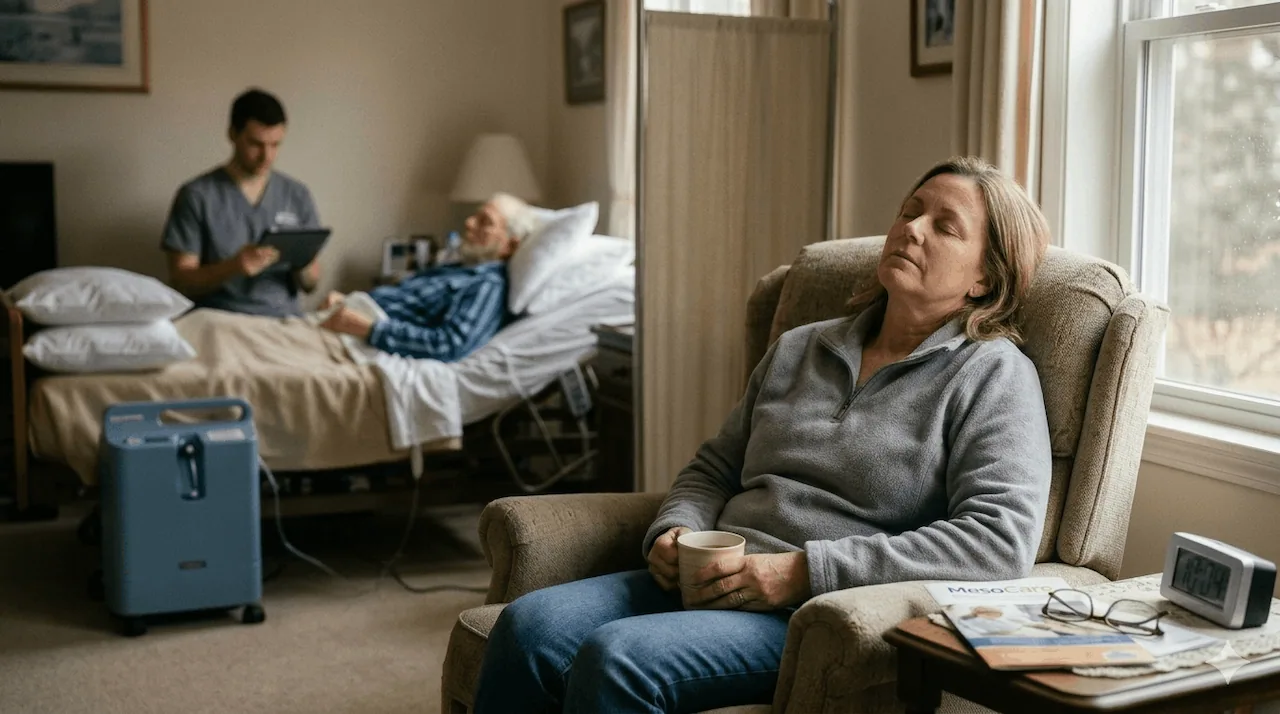
Caring for a loved one with a terminal illness is one of the most profound acts of love a person can perform. However, when that illness is mesothelioma, the weight of the responsibility can feel crushing. Between managing oncology appointments, tracking complex medication schedules, and providing emotional stability for the family, many spouses and adult children find themselves running on empty. If you feel physically exhausted, emotionally numb, or constantly irritable, you may be experiencing compassion fatigue.
This condition is often called the “cost of caring.” It is not a sign of weakness; it is a natural response to the prolonged stress of witnessing a loved one’s struggle. At MesoCare, we believe that to be a successful caregiver, you must first be a supported one. If you are feeling overwhelmed by the administrative or emotional burden, accessing professional support resources can help you regain your balance and provide the high-quality care your loved one deserves.
The journey of a mesothelioma caregiver is unique because of the aggressive nature of the disease. Unlike slower-moving conditions, mesothelioma often requires rapid decision-making regarding aggressive treatments like pleural surgery or immunotherapy. This pace leaves little room for the caregiver to process their own grief, leading to a state of chronic “sympathetic activation” where the body never fully leaves a state of high alert. Recognizing this early is vital for your long-term health.
What is Compassion Fatigue in Mesothelioma Caregiving?

Compassion fatigue is distinct from general burnout. While burnout usually relates to being “worn out” by the environment or workload, compassion fatigue is a secondary traumatic stress. It occurs because you are deeply invested in the suffering of another person. For mesothelioma caregivers, this is compounded by the rapid progression of the disease and the high-stakes decisions regarding mesothelioma treatment options and financial planning.
Symptoms often include a “fading” of empathy, chronic physical ailments, and a sense of hopelessness. You might find yourself snapping at the person you are caring for or feeling guilty when you take even a few minutes for yourself. This emotional depletion can make even simple tasks feel like climbing a mountain. A patient advocate can act as your navigator, taking the logistical weight off your shoulders so you can focus on being a family member again rather than a full-time medical manager.
You are not alone in this journey. Our advocates are ready to help you manage the paperwork and find relief.
Signs You Are Facing Caregiver Burnout and Secondary Stress
Because the “Nurse Navigator” role often falls on family members without medical training, the learning curve is steep. This constant state of “alertness” keeps your nervous system in a fight-or-flight mode. Over time, this leads to significant health risks for the caregiver. Common indicators that it is time to seek financial aid for daily needs or respite care include:
- Emotional Volatility: Sudden outbursts of anger or bouts of uncontrollable crying over small inconveniences.
- Physical Exhaustion: Feeling tired even after a full night of sleep, or suffering from frequent headaches and muscle tension.
- Isolation: Withdrawing from friends and other family members because explaining the situation feels too exhausting.
- Difficulty Concentrating: Forgetting appointments or struggling to follow the asbestos exposure mapping required for compensation claims.
- Changes in Sleep or Appetite: Either sleeping too much to escape reality or being unable to rest due to racing thoughts.
Many caregivers feel they must be “stoic” for the patient. However, ignoring your own needs can lead to mistakes in care or a total physical collapse. It is essential to remember that seeking help is a proactive choice for the benefit of the entire household. If the caregiver goes down, the entire care structure can fail. Protecting yourself is part of protecting your loved one.
How Compassion Fatigue Affects Decision Making
When you are emotionally depleted, making complex choices about choosing a mesothelioma specialist or evaluating clinical trials becomes much harder. Your brain prioritizes survival over long-term planning. This can lead to “decision paralysis,” where the fear of making the wrong choice results in making no choice at all. By engaging with a support network, you allow others to help carry the mental load, ensuring that your loved one receives the best possible care without you losing your own health in the process.
Where to find a specialist: Most mesothelioma programs are at one of the 13 NCI-designated cancer centers that run a dedicated mesothelioma service. We list them with phone numbers in our caregiver guide to finding a mesothelioma specialist, including which centers do P/D versus EPP and how to ask for a second opinion.
The Importance of Professional Navigation and Advocacy
One of the primary drivers of caregiver stress is the feeling of being lost in a complex system. Between the VA benefits paperwork for veterans and the clinical requirements for asbestos trust funds, the administrative side of mesothelioma is a second full-time job. This is where a navigator becomes essential.
“Caregivers are the backbone of the long-term care system in the United States, yet they often face significant physical, emotional, and financial strain. Providing them with resources and support is essential not only for their well-being but for the health of the care recipient.”
Source: Family Caregiver Alliance
A navigator does not just provide information; they provide a buffer. They can help you organize your documentation for mesothelioma claims, explain medical terminology in plain language, and identify local resources for meal delivery or home health aides. They act as the “air traffic controller” for your family’s needs. This allows the caregiver to step back from the role of “administrator” and return to the role of spouse, child, or friend.
Practical Strategies to Manage Caregiver Stress in 2026
As we move through 2026, new resources have become available to help ease the burden. Technology and community outreach programs are designed to meet you where you are. Here are practical steps to start reclaiming your peace of mind:
1. Establish a “Care Circle”
Do not try to do everything yourself. Use apps or simple group chats to delegate tasks. If someone asks, “How can I help?” have a specific answer ready: “Can you pick up the prescriptions on Tuesday?” or “Could you bring a healthy meal over on Thursday?” People want to help, but they need direction. Creating a rotating schedule for grocery runs or laundry can save you hours of labor every week.
2. Utilize Respite Care and Grants
Many mesothelioma travel grants can also be used to help with lodging or temporary care. Respite care provides a professional to step in for a few hours or days so you can rest. This is not “quitting”; it is “recharging.” Many non-profit organizations offer small grants specifically to cover these costs for families facing rare cancers. These funds are designed to ensure you can take a weekend to see a friend or simply sleep without interruption.
3. The Role of Telehealth in Caregiver Navigation
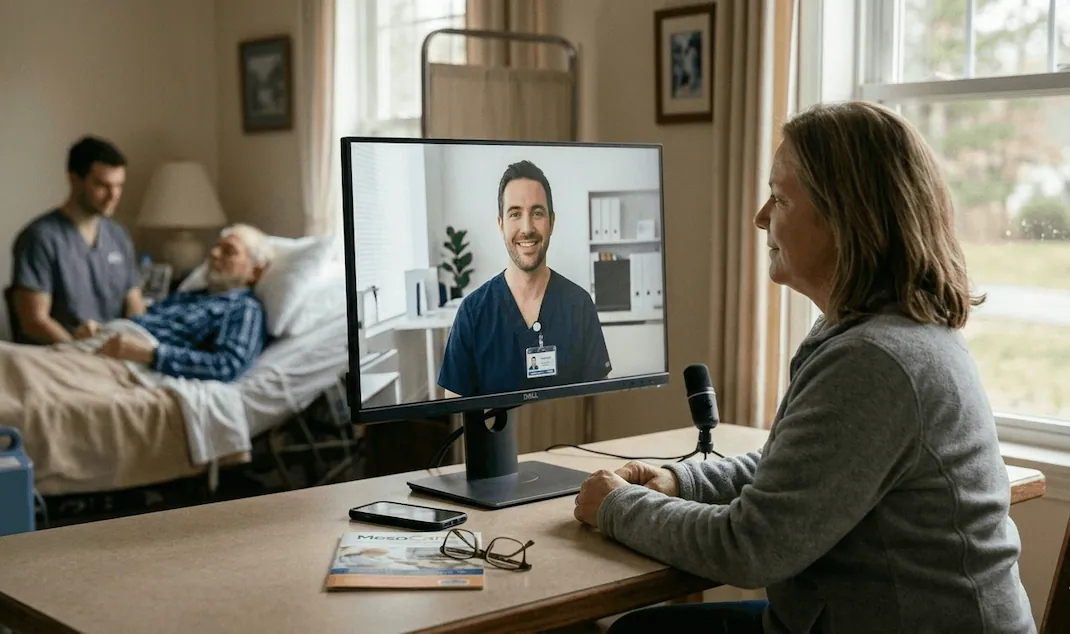
The rise of specialized telehealth platforms has significantly reduced the “travel fatigue” associated with mesothelioma care. For a caregiver, this means fewer hours spent in traffic and more time for restorative rest. A patient navigator can help you set up these virtual visits, ensuring that your internet connection and equipment are ready for a seamless consultation with out-of-state specialists. This digital bridge is not just a convenience; it is a vital tool for preserving your emotional energy.
4. Home Environment and Caregiver Safety
Often, compassion fatigue is exacerbated by the physical strain of assisting a loved one with mobility. Implementing essential home modifications such as grab bars, shower seats, and temporary ramps, can prevent caregiver injuries. By reducing the physical labor of daily care, you lower your overall stress levels and decrease the likelihood of physical burnout. Our team can provide a checklist of these modifications to help you create a safer, more manageable environment for both you and your loved one.
5. Speak with a Mental Health Professional
Talking to a therapist who understands chronic illness can provide you with coping mechanisms that friends and family may not know. Online counseling has made this more accessible than ever, allowing you to have a session from home while your loved one is resting. Cognitive Behavioral Therapy (CBT) can be particularly effective in helping caregivers reframe guilty thoughts and manage the anxiety of “what comes next.”
Connecting with a Community of Peers
Sometimes, the best medicine is talking to someone who has been exactly where you are. Joining a mesothelioma support group provides a space where you do not have to explain the terminology or the fear. You can simply be yourself. Whether in-person or via a virtual platform, peer support reduces the sense of isolation that fuels compassion fatigue.
For those who prefer a more private approach, one-on-one peer matching programs can connect you with another caregiver who has successfully navigated the journey. Hearing their story and learning their “survival tips” can provide a renewed sense of hope and perspective.
A Roadmap for the Future: Reclaiming Your Stability
The journey with mesothelioma is a marathon, not a sprint. To finish the race, you must pace yourself and accept the water and salt tablets offered along the way. Your loved one needs you, but they need the “real” you…the version of you that is healthy, present, and supported. By taking the step to contact a navigator, you are securing the future for both yourself and your family.
At MesoCare, our mission is to simplify the complex. Whether you need help understanding the statutes of limitations for claims or simply need a checklist for your next doctor’s visit, we are here to guide you. We understand the unique challenges of the “Anxious Caregiver” and the “Stoic Veteran.” We are here to ensure that no one has to walk this path alone. You have spent so much time looking after everyone else; it is time to let someone look after you.
For more personalized guidance and to learn more about your options, visit Mesocare or call us at 1-800-877-6000 .
Relevant Statistic: Research indicates that approximately 40% to 70% of family caregivers have clinically significant symptoms of depression, with approximately one-quarter to one-half of these caregivers meeting the diagnostic criteria for major depression.
Medical Disclaimer: MesoCare.org provides educational information and is not a medical provider. We are not doctors. This content is not intended to be a substitute for professional medical advice, diagnosis, or treatment. Always seek the advice of your physician with any questions regarding a medical condition. Treatments mentioned are options that may help and should be discussed with a specialist.
Legal Disclaimer: MesoCare.org is a resource center and advocacy group, not a law firm. We do not provide legal advice or guarantee specific financial outcomes. No attorney-client relationship is formed by using this site or contacting an advocate. Potential compensation or grant amounts are estimates and vary by individual case.
Authoritative source: For more on this topic, see National Cancer Institute (NCI) mesothelioma overview.