

Completing a primary course of cancer therapy is a milestone that brings a complex mix of relief and uncertainty. For many families, the word “remission” is the goal they have been praying for since the initial diagnosis. However, in the world of asbestos related diseases, the transition from an active patient to a survivor often looks different than it does with other types of cancer. Understanding the nuances of your recovery and what to expect during long term monitoring is vital for your peace of mind.
As you move into this new phase, you may find that the focus shifts from aggressive intervention to careful observation. This period of “watchful waiting” is a significant part of the survivorship journey. If you are currently finalizing your initial care plan or seeking new options, accessing specialized mesothelioma treatment protocols can help set the stage for a stable recovery. At MesoCare, we believe that being informed is the best way to manage the anxiety that often accompanies the end of active clinical cycles.
Understanding Remission versus Stable Disease in Mesothelioma
In many medical contexts, remission implies that the cancer is completely gone. While “complete remission” is possible, doctors more frequently use the term “partial remission” or “stable disease” when discussing mesothelioma. Stable disease means that the tumor is not growing or spreading, even if it has not disappeared entirely. Because this disease can be persistent, maintaining a state where the cancer is “asleep” or inactive is considered a major success.
For the veteran or the caregiver, hearing that the disease is stable can be confusing. You might wonder why more isn’t being done if the tumor is still present. The reality is that once the cancer is controlled, the goal is to give your body time to heal from the side effects of chemotherapy or surgery. A patient advocate can help explain these technical terms so you can celebrate the progress you have made without unnecessary fear.
Have you reached a stable stage in your journey? You may still be eligible for monthly financial grants and support.
The Transition to Mesothelioma Survivorship
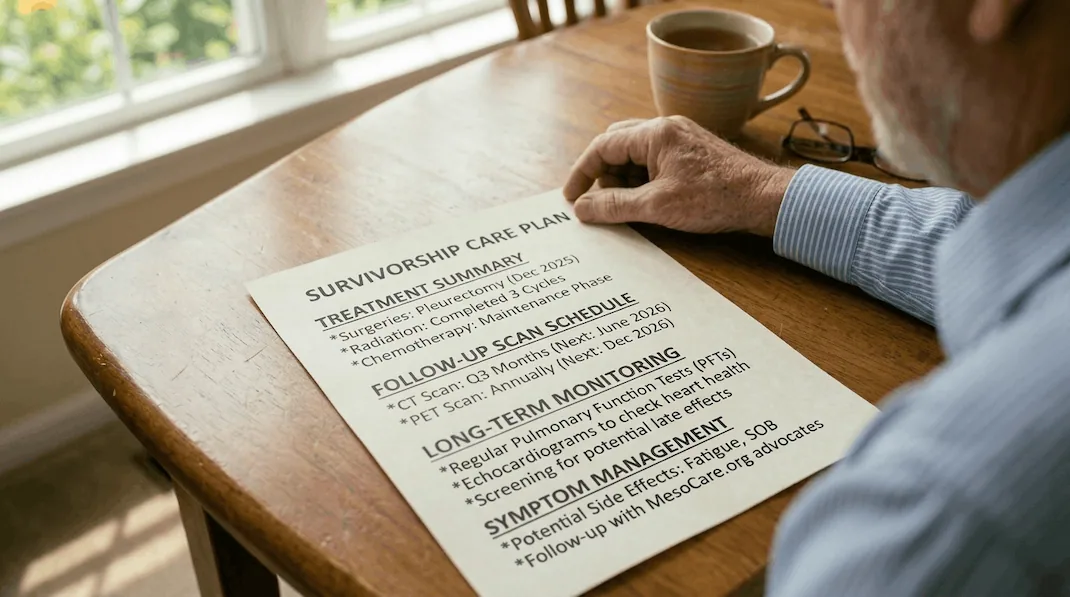
Transitioning to life as a survivor involves a mental shift. You are no longer in “battle mode” every single day, but you are still very much involved in your health management. This phase is often called the “new normal.” You may have more energy to return to hobbies or spend time with family, but you must also balance this with a new schedule of follow up scans and blood work.
During this time, it is helpful to create a “Survivorship Care Plan.” This document should include a summary of all treatments received, a schedule for future monitoring, and a list of potential long term side effects to watch for. Working with top mesothelioma medical specialists ensures that your follow up care is handled by someone who knows exactly what subtle changes to look for on a PET or CT scan.
The Role of Maintenance Therapy
In some cases, your medical team might suggest “maintenance therapy” to keep the disease in check. This could involve a less intense version of immunotherapy or periodic localized treatments. The goal of maintenance is to prevent a recurrence while allowing you to maintain a high quality of life. This is a common strategy in 2026 as new, targeted therapies become available that are easier on the body than traditional chemotherapy.
The Importance of Pulmonary Rehabilitation
For survivors of pleural mesothelioma, breathing can sometimes feel like a conscious effort even when the disease is stable. Pulmonary rehabilitation is a specialized program designed to improve lung function through guided breathing techniques and light aerobic conditioning. These sessions help you expand your lung capacity and reduce the anxiety that often comes with shortness of breath. By participating in “rehab,” you are not just monitoring the cancer; you are actively reclaiming your physical independence and improving your daily stamina.
“Survivorship care includes regular follow-up examinations and tests to monitor for cancer recurrence, as well as the management of any long-term or late effects of treatment. It is a lifelong process that focuses on the health and life of a person with cancer post-treatment.”
Source: National Cancer Institute
Managing “Scanxiety” During Long Term Monitoring
One of the hardest parts of life after treatment is the anxiety that builds up before every follow up appointment, often called “scanxiety.” It is perfectly normal to feel nervous as the date of your three month or six month scan approaches. The fear of a recurrence can be heavy, especially for caregivers who are hyper aware of every new cough or ache the patient experiences.
To manage this stress, try to schedule your scans for early in the week so you do not have to wait over a weekend for results. Ask your doctor exactly when and how you will be notified of the findings. Having a Patient Advocate to talk through your concerns can also help ground you in the facts of your current health status rather than letting your mind wander to “worst case” scenarios. Remember that staying proactive with lodging and travel for specialists ensures you are getting the most accurate readings possible from high volume cancer centers.
Where to find a specialist: Most mesothelioma programs are at one of the 13 NCI-designated cancer centers that run a dedicated mesothelioma service. We list them with phone numbers in our caregiver guide to finding a mesothelioma specialist, including which centers do P/D versus EPP and how to ask for a second opinion.
Physical Recovery and Rebuilding Strength

Your body has been through a lot. Whether you had an extra pleural pneumonectomy or several rounds of systemic therapy, your physical “reserve” may be lower than it used to be. Rebuilding strength is a slow process that requires patience and consistency. Focus on small wins, like walking a little further each day or being able to attend a family dinner without needing a long nap afterward.
Nutrition remains a cornerstone of your recovery. Even in mesothelioma remission or a stable state, your body needs high quality proteins and antioxidants to repair tissue and support your immune system. You can find excellent resources on nutrition and cancer recovery through the Academy of Nutrition and Dietetics. Feeding your body well is one of the few things you can control in the aftermath of a diagnosis, and it makes a tangible difference in how you feel daily.
The Importance of Mental Health Support
The emotional impact of mesothelioma does not end when the treatment does. In fact, many survivors find that the “emotional wall” hits them only after the physical crisis has passed. You finally have the time to process what has happened, and that can lead to feelings of depression, anger, or even “survivor’s guilt.”
Seeking out support groups can be incredibly healing. Talking to others who understand the specific challenges of asbestos related diseases provides a level of empathy that friends and family, despite their best efforts, may not be able to offer. If you are a veteran, you might find comfort in connecting with others who understand the unique VA benefits for mesothelioma and the shared history of service. Mental health is just as important as physical health in the “survivor” phase.
Financial Planning for the Long Haul
Life after treatment also means looking at the financial landscape. While the immediate crisis of paying for surgery might be over, the costs of long term monitoring and maintenance medications can add up. It is important to ensure that you have accessed all the resources available to you. Many families do not realize that asbestos trust fund grants are often available even years after the initial exposure occurred.
Our team at MesoCare helps families navigate the complexities of financial aid applications so that the cost of survivorship does not become a secondary burden. Whether you are looking for help with co pays or seeking compensation for past expenses, we provide the roadmap to help you secure your family’s future. This financial peace of mind allows you to focus on what really matters: enjoying the time you have reclaimed.
Looking ahead, the landscape of mesothelioma care in 2026 continues to improve. With better screening and more refined monitoring techniques, “stable disease” is becoming a long term reality for more people than ever before. You are a survivor, and every day you spend in a stable state is a victory worth celebrating. We are here to support you in every step of that journey.
To learn more about how our patient advocates can support your long term recovery, visit MesoCare or call 1-800-877-6000.
Relevant Statistic: According to the American Cancer Society, the number of cancer survivors in the United States is projected to grow to 26 million by 2040, highlighting the increasing importance of long term survivorship care and monitoring.
Source: American Cancer Society
Medical Disclaimer: MesoCare.org provides educational information and is not a medical provider. We are not doctors. This content is not intended to be a substitute for professional medical advice, diagnosis, or treatment. Always seek the advice of your physician with any questions regarding a medical condition. Treatments mentioned are options that may help and should be discussed with a specialist.
Legal Disclaimer: MesoCare.org is a resource center and advocacy group, not a law firm. We do not provide legal advice or guarantee specific financial outcomes. No attorney-client relationship is formed by using this site or contacting an advocate. Potential compensation or grant amounts are estimates and vary by individual case.