
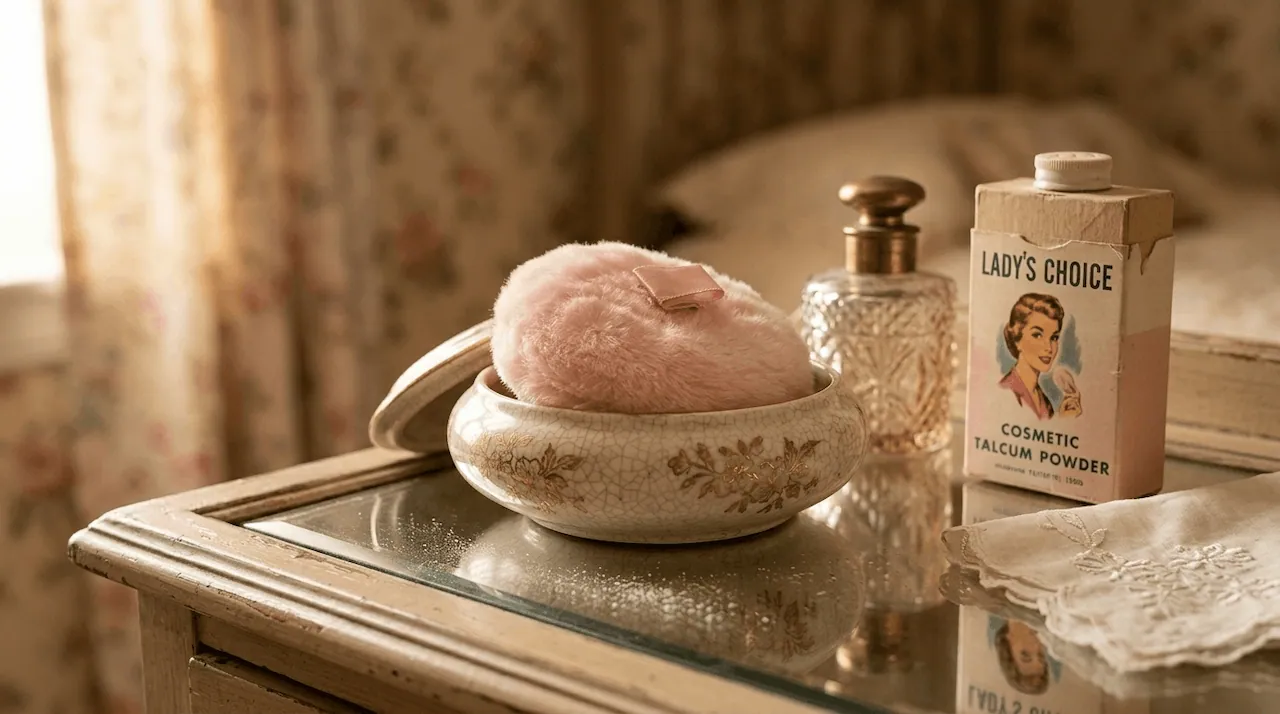
For decades, the conversation surrounding asbestos exposure was dominated by images of shipyards, construction sites, and heavy industrial plants. This narrative often left out a growing demographic of patients: women. In recent years, medical data has highlighted a concerning rise in mesothelioma cases among women who have never set foot in a factory or shipyard. For many of these women, the source of exposure was not a workplace, but a seemingly harmless daily ritual involving cosmetic talcum powder.
Receiving a diagnosis when you have no clear history of industrial work can be devastating and confusing. You may find yourself retracing your steps, wondering how this happened in the safety of your own home. Understanding your history of asbestos exposure from household products is the first step in finding clarity and accessing the support you deserve. At MesoCare, we are dedicated to helping women and their families navigate the unique challenges of a talc related diagnosis with compassion and practical guidance.
Why Mesothelioma Cases Are Rising Among Women
The medical community has observed a shift in the “typical” mesothelioma patient. While older men with industrial backgrounds still make up a large portion of cases, women are increasingly being diagnosed with pleural and peritoneal mesothelioma. Statistics suggest that many of these cases are linked to the long term use of talcum powder products. Because talc and asbestos are minerals that often naturally occur together in the earth, raw talc mined for cosmetic use can sometimes be contaminated with asbestos fibers.
For many women, “dusting” with baby powder or using talc based cosmetics was a part of their hygiene routine for thirty or forty years. These microscopic fibers, when inhaled or ingested during daily use, can settle into the lining of the lungs or abdomen. Over several decades, these fibers cause the cellular damage that leads to cancer. This long latency period means that exposures from the 1970s and 1980s are only now manifesting as health crises in 2026.
Were you or a loved one a long-term user of talcum powder products? You may be eligible for financial assistance and specialized medical care.
Paying for care: Several paths can help cover mesothelioma treatment, travel, and lost income — trust funds, VA benefits, Medicare/Medicaid, and named grants. Our financial-help overview walks through each one in plain language, with the named programs and how to apply.
The Science of Talc and Asbestos Contamination
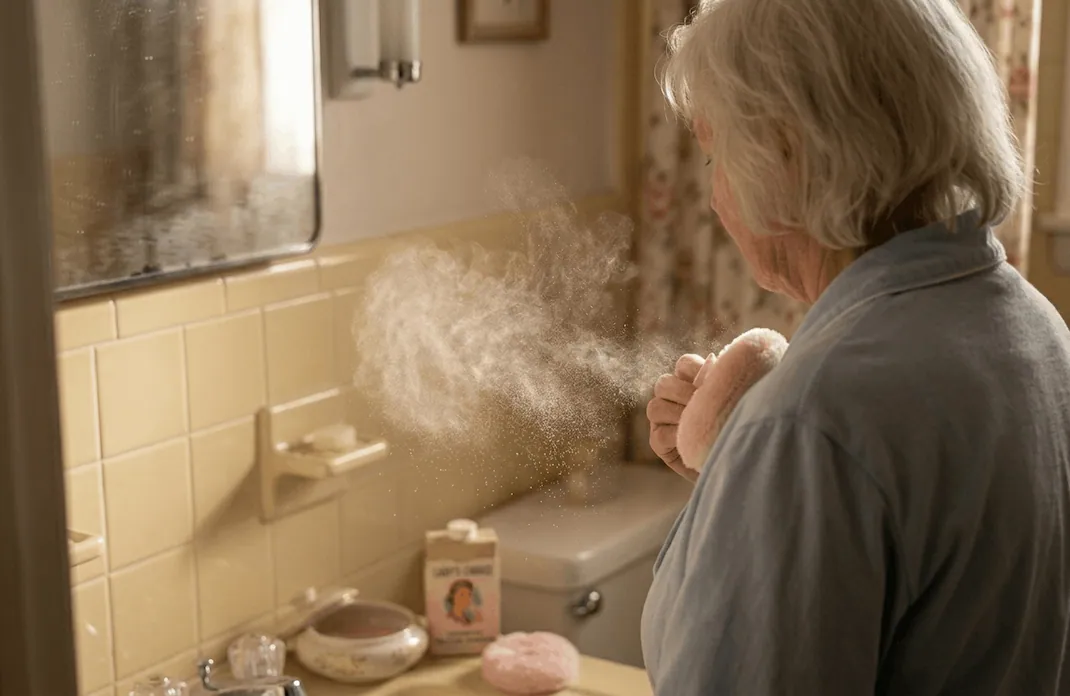
To understand the “invisible” link, one must look at the geology of mineral mining. Talc is the softest mineral on earth, making it ideal for absorbing moisture and preventing friction in skincare. However, talc deposits are frequently found in close proximity to asbestos deposits. If mining companies do not use rigorous testing methods, asbestos can easily end up in the final consumer product.
When a woman applies talcum powder, the fine dust becomes airborne. This creates a “cloud” of invisible particles that are easily inhaled. Unlike the heavy dust of a construction site, this exposure happens in the confined space of a bathroom, often daily. Over time, the cumulative effect of this “household exposure” becomes just as dangerous as working in a high risk trade. If you are experiencing symptoms like persistent coughing or abdominal swelling, consulting specialized mesothelioma doctors who understand talc related pathways is essential for an accurate diagnosis.
The Difference Between Pleural and Peritoneal Mesothelioma in Women
While pleural mesothelioma (affecting the lung lining) is the most common form, women are statistically more likely than men to develop peritoneal mesothelioma. This version of the disease affects the lining of the abdomen. Researchers believe this may be linked to the use of talcum powder for feminine hygiene, where fibers can migrate through the reproductive system to the peritoneal lining. Understanding these distinct pathways helps patient advocates better direct women toward the right clinical trials and specialists.
“Asbestos is a known human carcinogen, and there is no safe level of exposure. The presence of asbestos in talc-based consumer products poses a significant public health risk, particularly for those who used these products daily over many years.”
Diagnostic Challenges for Women with Mesothelioma
Because mesothelioma is often perceived as a “man’s disease,” women frequently face delayed diagnoses. Symptoms like shortness of breath or pelvic pain may be mistaken for more common conditions such as asthma, pneumonia, or ovarian cysts. This delay can be critical, as early intervention is key to expanding treatment options. For many women, the diagnostic journey begins with a primary care physician who may not be looking for rare cancers, leading to months of testing for non malignant issues before the true cause is found.
If you have a history of talc use and are feeling unwell, you must be your own best advocate. Ask your doctor for an imaging scan, such as a chest X-ray or CT scan, and be sure to mention your history of talcum powder use. Organizations like the American Cancer Society provide detailed information on the diagnostic process to help you prepare for these conversations. Advocacy is not just about medical bills; it is about ensuring your voice is heard in the exam room so that no more time is lost.
The Impact of Secondary Exposure in the Home
Beyond direct talc use, women have also historically been affected by “take home” or secondary exposure. This occurred when husbands or fathers returned from industrial jobs with asbestos dust on their work clothes. Before the dangers were widely known, women who handled the family laundry often inhaled these fibers while shaking out clothes or sweeping the laundry area. This form of environmental exposure is just as potent as direct occupational contact.
For the caregiver, discovering that a lifetime of caring for a family’s needs resulted in such a serious health risk is incredibly painful. Whether the exposure was through a cosmetic product or a spouse’s work clothes, the result is the same: a need for high quality care and a roadmap for the future. We specialize in helping families document these household histories to ensure all avenues of support are explored. The 2026 medical landscape offers more hope than ever before with new treatments such as Tumor Treating Fields (TTFields) and advanced immunotherapy combinations showing promise in extending survival times. Navigating these options requires a partner who understands the logistics of travel and lodging for cancer treatment, especially if the best specialist is in another state.
Connecting the Dots: Daily Routines and Long Term Health
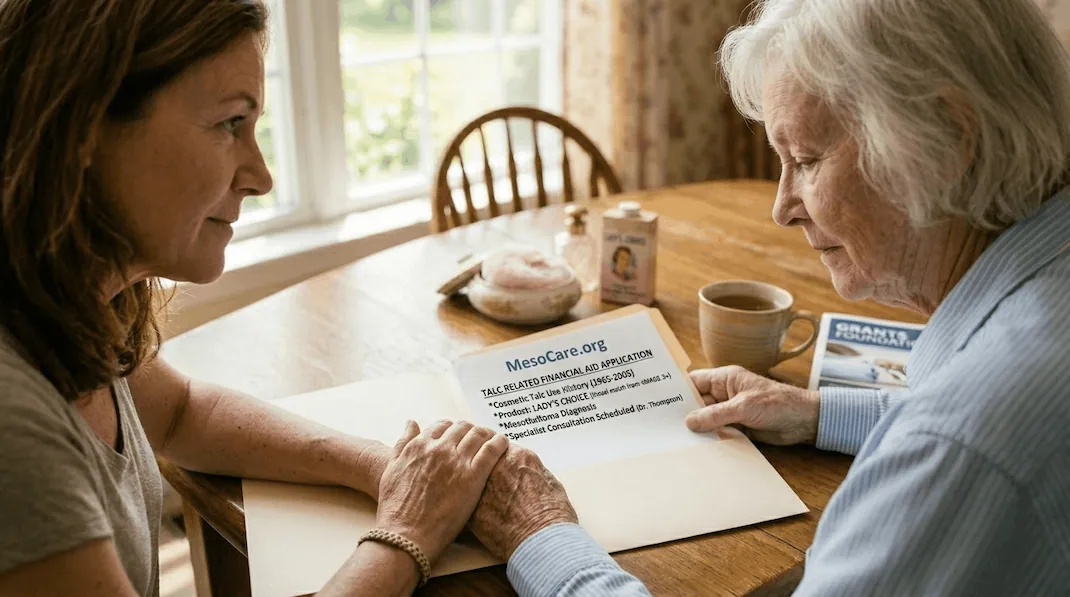
For many, the realization that a favorite brand of powder could be the cause is often met with disbelief. It is important to remember that for many years, these products were marketed as symbols of purity and cleanliness. No one knew the risks at the time. The focus now should be on moving forward with a clear plan for medical care and financial stability.
By connecting the dots between a history of talc use and current symptoms, families can unlock specific resources. There are financial grants for asbestos victims specifically set aside for those affected by contaminated consumer products. These funds help cover the high costs of specialized surgeries and immunotherapy, ensuring that a woman’s treatment is not limited by her bank account. Securing this aid is a way to honor the hard work and dedication women have given to their families over the decades.
Financial Advocacy for Talc Related Claims
Accessing compensation for talc related mesothelioma is different than filing a traditional industrial claim. Because many major manufacturers have established specific funds to address these injuries, the process requires a specialized approach. These funds are intended to provide for medical expenses, lost wages, and the long term needs of the family. The goal is to provide a safety net that protects the family’s assets while ensuring the patient receives world class oncology care.
At MesoCare, we help you understand the eligibility requirements for these payouts. We frame this not as a legal battle, but as a path to securing the “earned support” you deserve after a lifetime of hard work and family care. This financial aid can be a lifeline, allowing you to focus on your health while we handle the complexities of the paperwork. You are not just a statistic; you are a woman with a story, and your story deserves a supportive ending.
If you are ready to explore your options and find a specialist who understands the unique nature of talc related mesothelioma, we are here to walk with you every step of the way. Your health and your family’s well being are our highest priorities. From initial screening to finding the right surgeon, we provide the patient advocacy you need to face this challenge with strength.
For more information on how to start your advocacy journey, visit MesoCare or call 1-800-877-6000.
Relevant Statistic: A study published in the Journal of Occupational and Environmental Medicine found that among women diagnosed with mesothelioma, as many as 15% of cases may be linked to cosmetic talcum powder use, a figure that continues to rise as diagnostic awareness improves.
Medical Disclaimer: MesoCare.org provides educational information and is not a medical provider. We are not doctors. This content is not intended to be a substitute for professional medical advice, diagnosis, or treatment. Always seek the advice of your physician with any questions regarding a medical condition. Treatments mentioned are options that may help and should be discussed with a specialist.
Legal Disclaimer: MesoCare.org is a resource center and advocacy group, not a law firm. We do not provide legal advice or guarantee specific financial outcomes. No attorney-client relationship is formed by using this site or contacting an advocate. Potential compensation or grant amounts are estimates and vary by individual case.