

When you have spent a lifetime working hard, whether in an engine room or a substation, you learn to push through discomfort. But a mesothelioma diagnosis is not something you can just “work through,” and the disability benefits you were assigned years ago may no longer reflect the reality of your daily life. If your breathing has become more difficult or your treatment needs have grown, your current rating should not be a source of stress. Learning how to upgrade your disability rating for mesothelioma is not about asking for a handout; it is about ensuring the system honors the full extent of your service and your sacrifice.
At MesoCare, we act as your nurse navigator, helping you bridge the gap between a complex medical diagnosis and the financial support you have earned. This guide is designed to help you navigate the 2026 disability landscape with clarity, focusing on the practical steps to secure the aid your family needs to move forward. By understanding the intersection of medical coding and occupational history, we can help you build a stronger case for the support you deserve.
How to Upgrade Your Disability Rating for Mesothelioma
A disability rating is a tool, not a permanent label. As your health requirements evolve, the level of support you receive should adapt to meet them. For those who spent decades in high-heat industrial environments, the physical toll of the disease often requires specialized care that was not part of the initial conversation. Upgrading your rating is simply the process of making sure the paperwork catches up to your health reality.
For many veterans and industrial workers, the path to an upgrade begins with a look back at their service or employment history. If you previously received a lower rating for a non-cancerous condition like asbestosis or pleural thickening, a new diagnosis of mesothelioma represents a significant change in your medical status. This change warrants an immediate re-evaluation to ensure you are receiving the maximum benefits available in 2026.
Steps to Increasing Your Disability Compensation and Support

The journey to an increased rating usually involves demonstrating that your condition has progressed or that a previous assessment missed a critical link to your career. For many utility veterans, this means looking back at roles where they worked with heavy machinery or high-temperature systems. These environments were once the backbone of the industry, but they left a lasting legacy on the health of those who maintained them. Proving that your current diagnosis stems from these specific materials is the foundation of a successful upgrade claim.
The process is highly documentation-dependent. You must show that the condition has become more severe or that new symptoms have emerged that limit your ability to work or care for yourself. This is particularly true for those with a history of pleural disease, where the transition to a malignant state can be rapid and requires urgent administrative attention.
You are not alone. Our team is here to help you navigate the paperwork so you can focus on healing.
Gathering New Medical Evidence for 2026
To move your rating toward 100 percent, you need current medical documentation that meets 2026 diagnostic standards. This goes beyond a simple doctor’s note. You will need high-resolution imaging and pathology reports that clearly state the primary diagnosis of mesothelioma. Because this disease has a long latency period, your medical team must connect your current respiratory issues to your historical exposures. This involves documenting specific risks associated with your trade, such as fireproofing or electrical insulation work.
When filing for an upgrade, the “Statement of Support” from your oncologist is the most critical document. This letter should detail the staging of the disease and how it impacts your activities of daily living. If you are unable to perform basic tasks without oxygen or assistance, this must be documented to justify a transition from a partial disability rating to a total disability rating.
The Importance of Independent Medical Opinions
Sometimes, a standard evaluation from a general practitioner is not enough to capture the full scope of the illness. Seeking an Independent Medical Opinion from a mesothelioma specialist can provide the detailed nexus letter required for an upgrade. This letter explains exactly how your past work led to your current diagnosis. Specialists understand the unique fingerprint of asbestos fibers in the lungs better than general doctors and can speak to the specific mechanics of how fiber inhalation leads to eventual malignancy.
Where to find a specialist: Most mesothelioma programs are at one of the 13 NCI-designated cancer centers that run a dedicated mesothelioma service. We list them with phone numbers in our caregiver guide to finding a mesothelioma specialist, including which centers do P/D versus EPP and how to ask for a second opinion.
Specialists can also help identify secondary conditions that may contribute to your overall disability. For instance, many patients develop cardiovascular issues as a result of the strain mesothelioma puts on the respiratory system. Documenting these secondary connections can strengthen your case for a higher combined rating.
Navigating the VA Disability Process for Veterans
For veterans, the path is often clearer but requires precise execution. Mesothelioma is almost always rated at 100 percent disability by the VA if the exposure happened during military service. However, many veterans are initially rated at lower percentages for less severe conditions. When these conditions progress, it is time to file for an increased rating claim.
“When a veteran has a service-connected condition that has worsened, they can file a claim for an increased rating. For conditions like mesothelioma, which are inherently debilitating, the VA provides pathways to ensure veterans receive the maximum level of support as quickly as possible.”
Presumptive Service Connection and Exposure
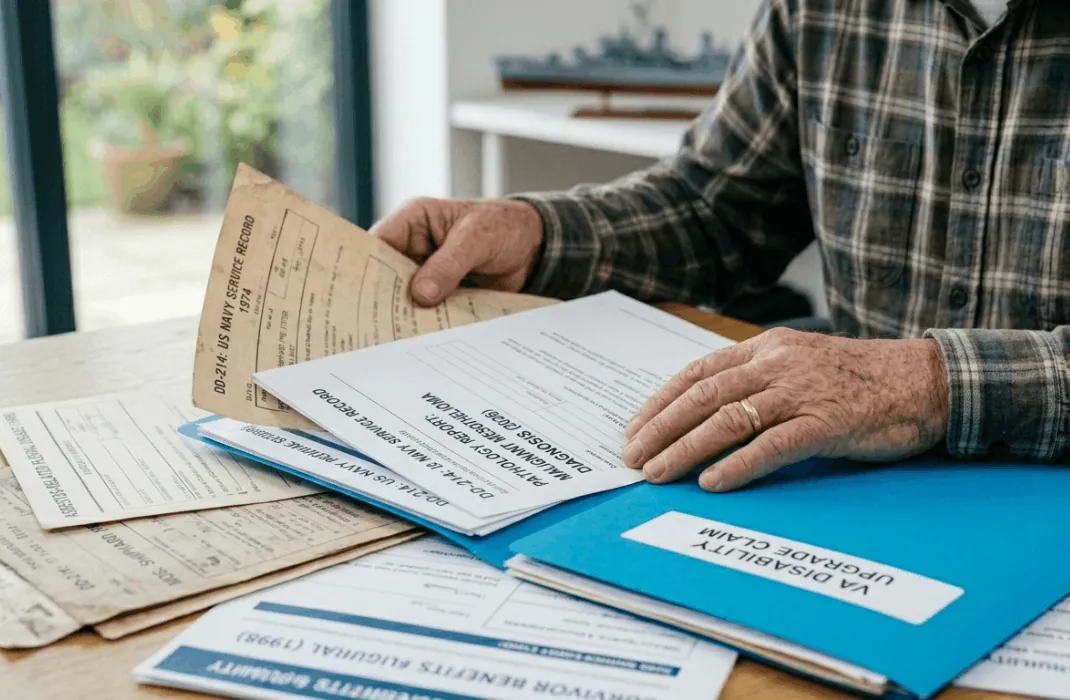
The VA recognizes that certain military occupational specialties were at significantly higher risk. If you served on Navy ships or worked in shipyards, your exposure is often presumed. The key to an upgrade is showing that the previously documented asbestos-related pleural disease has now transformed into a malignant state. This transition requires immediate action to ensure your family is protected by survivor benefits and indemnity compensation should your condition worsen rapidly.
Ensuring your service records are combined with modern pathology is the most effective way to secure this upgrade. The goal is to provide a seamless link between your time in uniform and your current medical needs.
Occupational Exposure and Social Security Compassionate Allowances
If you are not a veteran but worked in the private sector, such as in power generation or commercial construction, you may be looking at Social Security Disability Insurance. Mesothelioma is unique because it is included in the Social Security Administration’s Compassionate Allowances list. This means the government recognizes that the diagnosis is inherently disabling and fast-tracks the application process, often bypassing the months of waiting required for other chronic illnesses.
If you are already receiving Social Security for a different condition, you may still need to update your file to reflect the mesothelioma diagnosis. This ensures that you are accessing all available protections, including potential offsets for medical costs.
Linking Your Career to Your Diagnosis
To secure an upgrade or a new approval, you must provide a detailed work history that identifies specific products you handled. If you were a tradesman, you likely encountered various materials used for insulation, fireproofing, or sealing high-heat systems. Documenting these specifics helps the claims examiner understand that your condition is a direct result of your professional service, which is essential for accessing state disability or other specialized aid.
Working with a patient advocate to reconstruct this history can be incredibly helpful. Often, people forget the brand names of products they used forty years ago, but advocates can help identify the materials common to your specific job site. You can find more about these resources on our mesothelioma financial aid page.
The Role of Patient Advocacy in Financial Aid
Navigating these systems while undergoing chemotherapy or radiation is physically and emotionally exhausting. This is where advocacy becomes essential. Instead of a high-pressure approach, we focus on a navigator model. We help you identify which resources are available based on the companies that manufactured the products you handled. These resources are separate from your government disability rating and can provide additional grants to help with out-of-pocket medical bills or travel to specialized cancer centers.
The National Cancer Institute provides extensive information on treatment standards that can help you understand what kind of care you should be receiving. Combining this medical knowledge with financial advocacy ensures a holistic approach to your recovery.
Checking Your Eligibility for Trust Fund Grants
Many patients do not realize that significant funds have been set aside in trusts for people just like them. These are not handouts; they are funds legally mandated to compensate those harmed by corporate negligence. Accessing these funds does not affect your Social Security or VA status. It is simply another layer of support to ensure you have the best quality of life possible. We help you map out which trusts align with your specific job sites and years of employment.
These grants can be used for anything from co-pays to home modifications. For many families, this financial cushion is what allows them to focus entirely on the patient’s comfort and care.
Common Challenges in the Upgrade Process
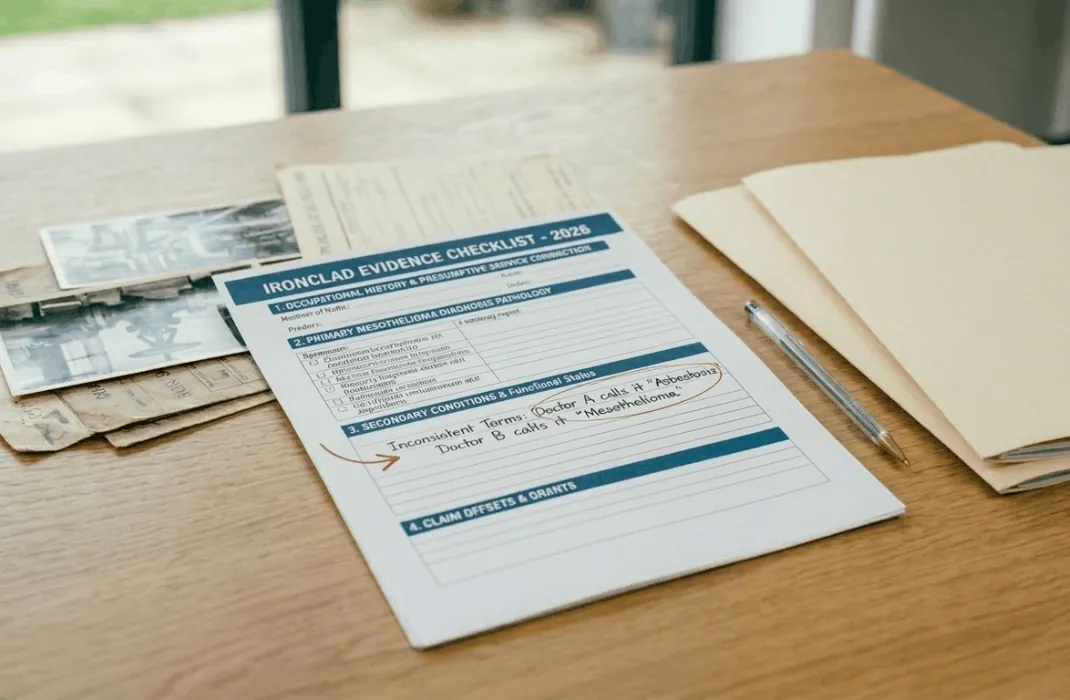
The most common reason for a delay in a disability upgrade is incomplete evidence. This means the evidence must be strong enough to prove the point without the need for further questions from the examiner. Common hurdles include:
Inconsistent medical terms between different healthcare providers.
Missing employment records from decades ago.
Failing to document secondary conditions like anxiety or cardiovascular strain.
We work to ensure your file is ironclad before it reaches an examiner’s desk. This proactive approach significantly reduces the likelihood of a denial or a request for more information, which can add months to the process. You can learn more about overcoming these hurdles in our patient resources section.
Empowering Your Family for the Future
We know that for workers, the concern is often less about themselves and more about the financial safety of their spouse. Upgrading your disability rating to a permanent and total status often unlocks additional benefits, such as property tax exemptions and educational assistance for dependents. Most importantly, it ensures a smoother transition for survivor benefits, giving you the peace of mind that your family is taken care of.
As you move forward, remember that you are not just a patient; you are a person with a history of hard work and service. You deserve a team that respects that history. Whether you are dealing with the aftermath of industrial exposure or navigating the VA system, our goal is to provide the roadmap you need to secure every resource available to you.
If you are ready to explore your options and see if you qualify for an increase in support, please reach out by calling us at 1-800-877-6000. We are here to help you understand your eligibility for compensation and aid without the stress of a typical sales pitch. Our advocates are available to walk you through the checklist of necessary documents and help you find the right medical specialists to support your claim.
For additional guides on symptoms and local support groups, please visit Mesocare.
Disability Payout Fact: For the 2026 calendar year, a married veteran with a 100 percent disability rating for mesothelioma is eligible to receive $4,158.17 per month in tax-free compensation. This rate reflects the recent cost-of-living adjustments designed to help families manage the rising costs of specialized medical care and home assistance.
Medical Disclaimer: MesoCare.org provides educational information and is not a medical provider. We are not doctors. This content is not intended to be a substitute for professional medical advice, diagnosis, or treatment. Always seek the advice of your physician with any questions regarding a medical condition. Treatments mentioned are options that may help and should be discussed with a specialist.
Legal Disclaimer: MesoCare.org is a resource center and advocacy group, not a law firm. We do not provide legal advice or guarantee specific financial outcomes. No attorney-client relationship is formed by using this site or contacting an advocate. Potential compensation or grant amounts are estimates and vary by individual case.