
A mesothelioma diagnosis reshapes your world in an instant. Suddenly, your kitchen, once a place of family gatherings and comfort, feels like a high-stakes environment where every meal is a mission. You are navigating appointments, insurance, and the heavy weight of the unknown. One of the biggest challenges for a caregiver is watching a loved one lose their appetite or struggle with the mental fog often called “chemo brain.” It is heartbreaking to see someone you care about turn away from their favorite meal because it suddenly tastes like metal or feels too exhausting to consume.
At MesoCare, we believe your kitchen should remain a place of healing, not a place of stress. When it comes to managing treatment side effects and improving quality of life, nutrition is one of the most powerful tools in your toolkit. You are not just a cook; you are a navigator. Every calorie is a building block for strength, and every high-protein snack is a tool to help your loved one stay in the fight. Our focus is on “Kitchen Comfort” turning daily meals into a manageable, supportive part of the treatment plan without the clinical feel of “medicine.”
How to Manage Mesothelioma Treatment Side Effects Through Better Nutrition
When someone is undergoing treatment for mesothelioma, their body enters a high-energy state. It is working overtime to repair tissues and maintain strength during aggressive therapies. This is why protein and calories become your best allies. However, “chemo brain” that feeling of being stuck in a mental fog can make it hard for a patient to focus or even decide what they want to eat. Meanwhile, the physical fatigue associated with cancer can make the act of chewing feel like a marathon.
While you focus on providing the best care at home, we can help you find the financial resources to make that care possible.
Fighting the “Metallic Taste” and Appetite Loss at Home
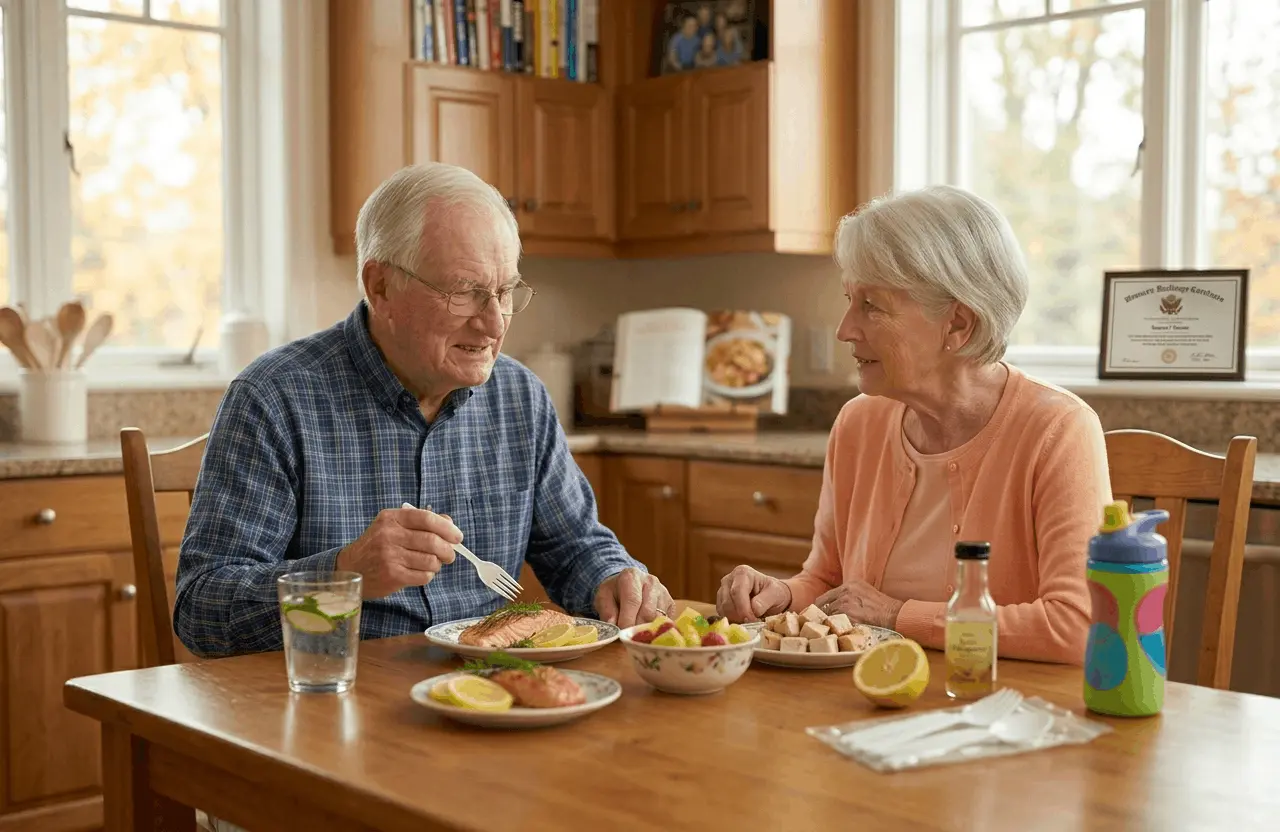
Many patients describe a bitter or metallic taste in their mouth during chemotherapy. This “metal mouth” can make water taste like copper and red meat taste like aluminum. To combat this, try using plastic utensils instead of stainless steel to reduce the metallic sensation. Marinating proteins in sweet or tart juices like lemon, lime, orange, or even a light vinaigrette can help mask the metallic tang. If their appetite is low, do not feel pressured to stick to a rigid “three square meals” schedule. Instead, offer small, nutrient-dense snacks every two to three hours. Think of it as “grazing” rather than “dining.”
Budget-Friendly High-Protein Hacks for the Home Chef
You do not need expensive specialty health foods to boost protein levels. Simple pantry staples can do the heavy lifting for you. Stirring a tablespoon of powdered milk into creamy soups, oatmeal, or mashed potatoes is an easy way to add protein without increasing the volume of the food. Adding Greek yogurt to smoothies instead of plain milk or water provides a thicker texture and a massive protein boost. These small additions increase the caloric density of each bite, which is essential when the patient can only handle a few spoonful at a time.
High-Calorie Recipes That Do Not Feel Like Medicine
The goal is to maintain a sense of normalcy. If a patient is handed a clinical-looking nutritional shake every few hours, they may begin to feel like a “patient” rather than a person. By integrating high-calorie supplements into real food, you provide “Kitchen Comfort.” This approach ensures they get the nutrients they need through meals that look, smell, and taste like home cooking.
The “Super-Charged” Breakfast Smoothie for Mental Clarity
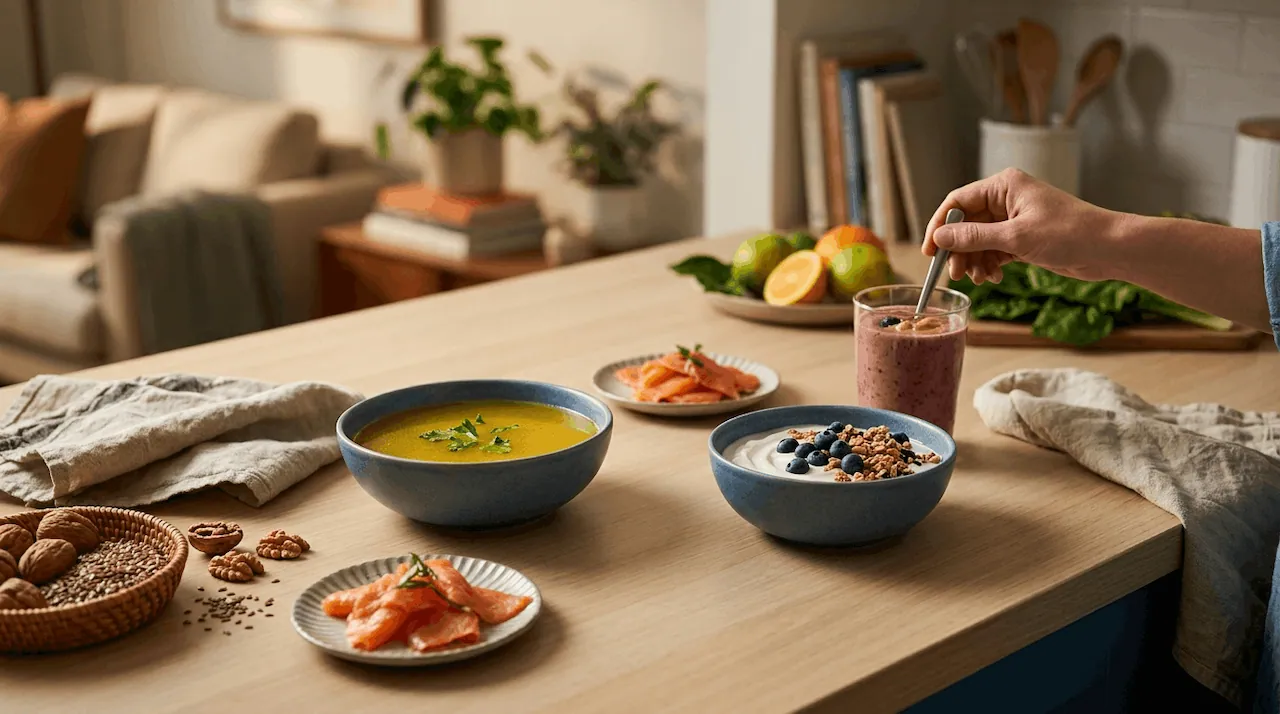
Smoothies are an excellent option for days when chewing feels too taxing. Use a base of full-fat coconut milk or whole milk for maximum calories. Add a scoop of protein powder, a tablespoon of creamy peanut butter, and a frozen banana. To help combat the fog of chemo brain, incorporate blueberries or strawberries, which are rich in antioxidants. If the patient is struggling with significant weight loss, you can stir in a flavorless liquid calorie booster. These supplements are often available at local pharmacies and add essential fats without changing the flavor of the smoothie.
Savory Comfort: Protein-Packed Soups and Broths
Bone broth is an incredible resource for those navigating mesothelioma. It is easy on a sensitive stomach but packed with amino acids that support tissue repair. Use bone broth as the liquid for cooking rice, quinoa, or lentils to infuse extra protein into side dishes. For those with a sensitive palate or mouth sores, a simple potato and leek soup, blended until completely smooth, can be very soothing. You can further increase the calorie count by whisking in a bit of heavy cream or a dollop of sour cream just before serving.
“Good nutrition is especially important if you have cancer because both the disease and its treatments can change the way you eat. Cancer and cancer treatments can also affect the way your body tolerates certain foods and uses nutrients.”
Addressing Chemo Brain and Mental Clarity Through Food Choices
“Chemo brain” is a common term for the cognitive impairment many patients experience during and after treatment. They might forget simple words, lose their train of thought, or feel generally “spaced out.” While nutrition is not a total cure, specific foods can support brain health and help clear some of the mental fog. Omega-3 fatty acids are vital for neurological health. If your loved one can tolerate the smell of fish, baked salmon is a top-tier choice. If the smell of cooking fish is a trigger for nausea, ground flaxseeds or walnuts stirred into morning oatmeal provide similar brain-boosting benefits.
Hydration and Its Role in Cognitive Function
Dehydration is a frequent culprit behind increased confusion and fatigue. If plain water is unappealing due to taste changes, try “spa water” infused with sliced cucumber and fresh mint, or herbal teas like ginger or chamomile. Ginger tea is particularly helpful if the patient is also dealing with treatment-induced nausea. Keeping a colorful, easy-to-grip water bottle nearby serves as a gentle reminder to take small sips throughout the day, ensuring the brain stays hydrated and functional.
Practical Home Care Tips for the Busy Caregiver
- Minimize Cooking Odors: Use a slow cooker or an outdoor grill to keep strong cooking smells out of the house, as these can often trigger nausea before the meal even begins.
- Prioritize “Cool” Foods: Many patients find that room-temperature or cold foods, such as chicken salad, pasta salad, or cottage cheese, have less of a daunting aroma and are easier to swallow than steaming hot meals.
- The Power of the Small Plate: Visual overwhelm is real. Use smaller plates or even decorative bowls. A large mountain of food on a dinner plate can be intimidating to someone with no appetite. A small, beautifully arranged portion looks much more manageable.
Navigating the Financial Side of Nutritional Support and Care
We recognize that high-quality protein, fresh produce, and specialized nutritional supplements can add up quickly. For a family already managing the stress of medical bills, the grocery receipt can become another source of anxiety. This is where “Advocacy” comes into play. There are resources available to help families cover these “hidden costs” of cancer care that go beyond the hospital walls.
Accessing Assistance for Daily Living Expenses
Many mesothelioma patients are eligible for financial aid through Asbestos Trust Funds. These funds are not “charity” in the traditional sense; they are accounts specifically set aside to help those who were exposed to asbestos in the workplace or through their service. This compensation can be used to cover anything from high-calorie nutritional supplements to hiring a part-time in-home caregiver to assist with meal preparation. It is about ensuring you have the support you need so you can focus on being a supportive family member rather than just a full-time medical liaison.
Understanding Your Earned Benefits as a Veteran
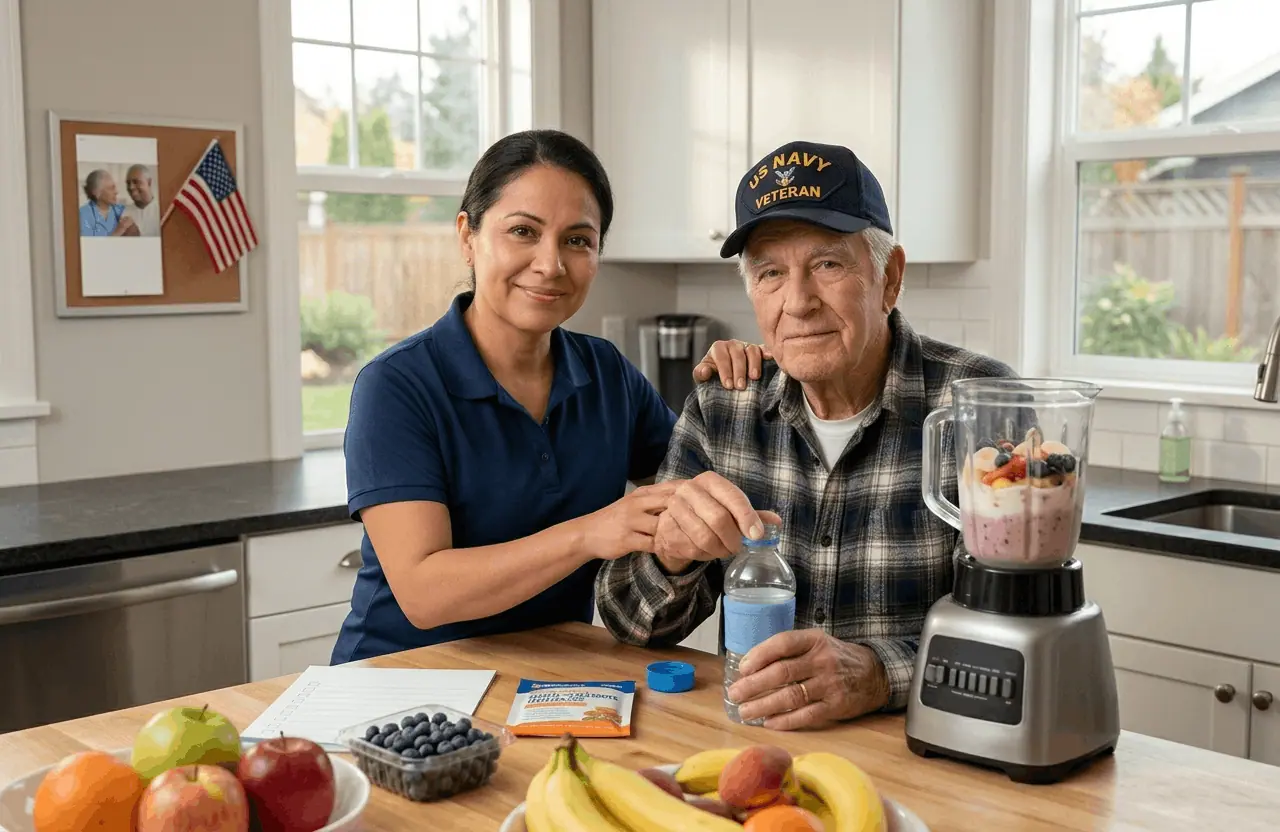
For our veterans, the Department of Veterans Affairs often provides specific dietary counseling and may even cover the cost of certain medical-grade nutritional supplements. If your loved one served in the military and was exposed to asbestos, these are benefits they have earned through their service to our country. While navigating the paperwork might feel daunting, it is a vital step in securing a comprehensive roadmap for their care and ensuring they receive every bit of support available.
Maintaining a healthy weight and staying hydrated are two of the best ways to ensure a patient can continue their treatment plan without interruption. By focusing on high-protein hacks and “Kitchen Comfort,” you are providing more than just food; you are providing the fuel for recovery. To learn more about how our patient advocates can help you navigate the medical and financial hurdles of this journey, visit MesoCare.
Supportive Care Statistic:
Research shows that up to 80% of patients with advanced cancer may experience some degree of cachexia (wasting syndrome), making early nutritional intervention and high-protein intake a critical part of maintaining strength. Learn more about supportive nutrition strategies from the National Cancer Institute.
Medical Disclaimer: MesoCare.org provides educational information and is not a medical provider. We are not doctors. This content is not intended to be a substitute for professional medical advice, diagnosis, or treatment. Always seek the advice of your physician with any questions regarding a medical condition. Treatments mentioned are options that may help and should be discussed with a specialist.
Legal Disclaimer: MesoCare.org is a resource center and advocacy group, not a law firm. We do not provide legal advice or guarantee specific financial outcomes. No attorney-client relationship is formed by using this site or contacting an advocate. Potential compensation or grant amounts are estimates and vary by individual case.