
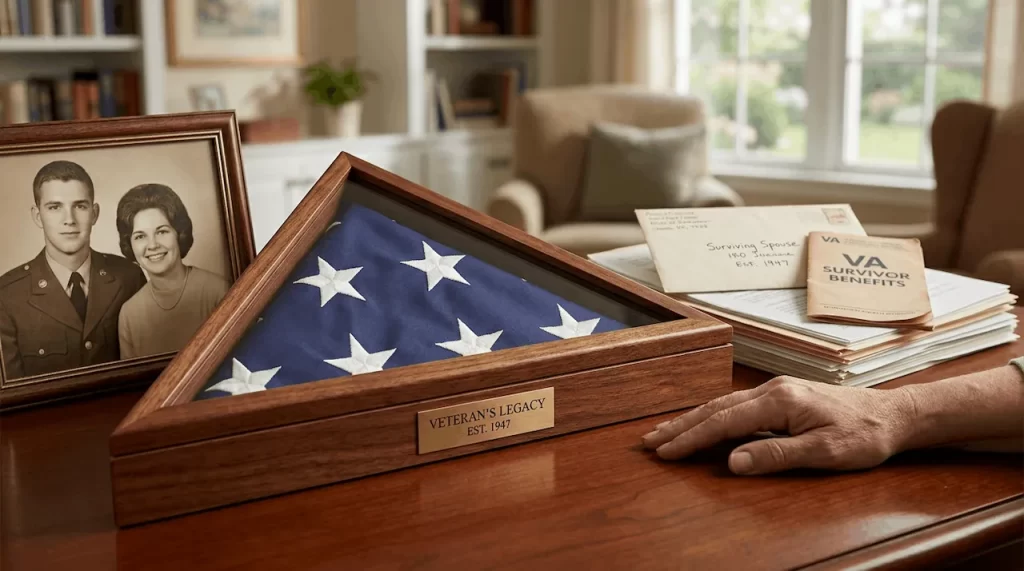
Losing a spouse who served in the military is a profound loss that carries both emotional weight and practical challenges. For many families, particularly those dealing with the long-term effects of asbestos exposure during service, understanding the VA Survivor Benefits available is a critical part of honoring a loved one’s legacy. If your spouse was a veteran, you may be eligible for specific Department of Veterans Affairs (VA) programs designed to provide ongoing support to surviving family members. These benefits serve as a bridge, ensuring that the service and sacrifice of the veteran continue to provide for their family long after they have passed.
Navigating the federal bureaucracy while grieving can feel overwhelming. However, securing these VA Survivor Benefits is not just about financial stability; it is about accessing the resources your spouse earned through their dedication to our country. Whether you are seeking Dependency and Indemnity Compensation (DIC) or a Survivor’s Pension, this guide will walk you through the essential steps to filing a successful claim. If you need immediate assistance with the legal complexities of asbestos-related claims, getting professional legal guidance for veterans can ensure your rights are protected from the start.
Paying for care: Several paths can help cover mesothelioma treatment, travel, and lost income — trust funds, VA benefits, Medicare/Medicaid, and named grants. Our financial-help overview walks through each one in plain language, with the named programs and how to apply.
Understanding VA Dependency and Indemnity Compensation (DIC)
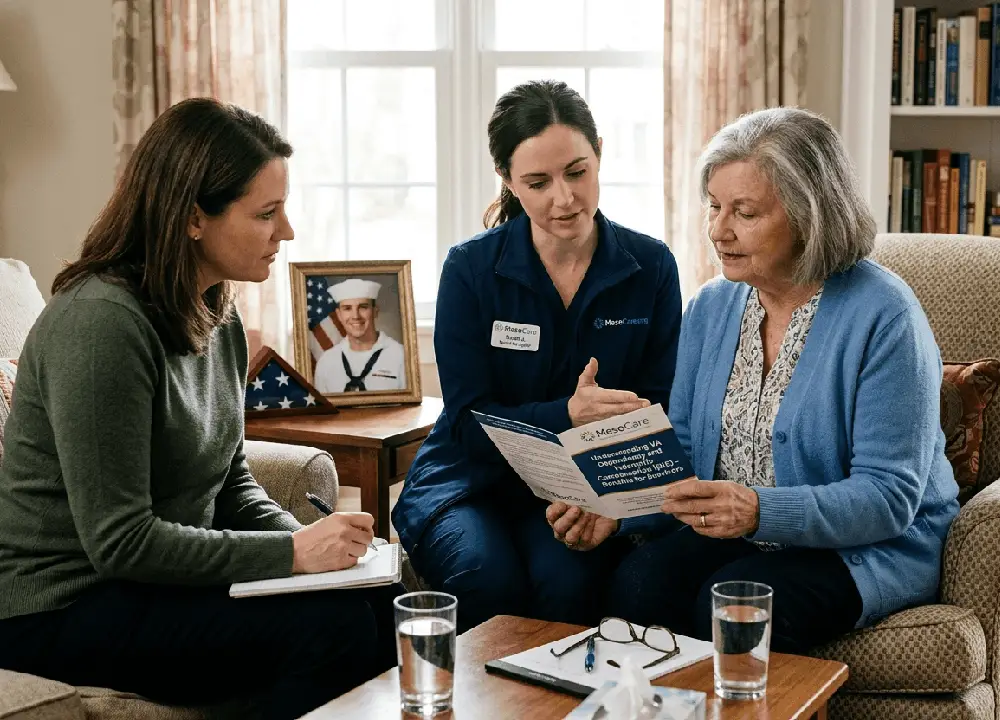
The most common form of support for survivors is Dependency and Indemnity Compensation, often referred to as DIC. This is a tax-free monetary benefit generally payable to eligible survivors of military service members who died in the line of duty or eligible survivors of veterans whose death resulted from a service-related injury or disease. Unlike a traditional pension, DIC is not based on financial need, making it a critical resource for families across all income levels. In 2026, the emphasis on streamlined claims for respiratory illnesses has made it slightly easier for mesothelioma survivors to navigate this process, though the evidentiary requirements remain strict.
You are not alone. Check your eligibility for financial aid to cover treatments and family expenses.
For families affected by mesothelioma, the connection to military service is often clear but requires specific documentation. Many veterans were exposed to asbestos in shipyards, engine rooms, or construction projects decades ago. When a veteran passes away from an asbestos-related condition, the VA recognizes this as a service-connected death, provided the exposure occurred during their time in uniform. This distinction is vital because it opens the door to higher levels of monthly compensation compared to non-service-connected pensions. It also provides the surviving spouse with additional benefits, such as healthcare through CHAMPVA and education assistance for dependent children.
The application of “presumptive conditions” is another area where 2026 guidelines have improved. While mesothelioma is not currently on every presumptive list, the history of asbestos use in the Navy and other branches is so well-documented that the VA often fast-tracks these cases when the correct service records are attached. This “service-connection” is the most important hurdle in your journey toward long-term financial stability and medical coverage.
Eligibility Requirements for Surviving Spouses
To qualify for DIC as a surviving spouse, you must meet specific criteria set by the VA. Generally, you must have been married to the veteran for at least one year before their passing, or have had a child with them. Additionally, the veteran must have died from a service-connected disability or been rated as totally disabled for a specific period before their death. Understanding these nuances is part of the broader VA survivors pension eligibility framework that helps families maintain their standard of living. For those who remarried after a certain age, usually 55 or 57 depending on the date of remarriage, eligibility may still be retained, which is a common point of confusion for many applicants.
The Difference Between DIC and Survivor’s Pension
It is important to distinguish between DIC and the VA Survivor’s Pension. While DIC is based on a service-connected death, the Survivor’s Pension (sometimes called a Widow’s Pension) is a needs-based benefit for low-income, un-remarried surviving spouses of veterans with wartime service. The distinction is foundational to your filing strategy. If a veteran’s death is ruled service-connected, the spouse receives a flat monthly rate that is significantly higher than most pension amounts. However, if service-connection cannot be proven, the pension remains a vital safety net for those who meet the income and net worth requirements.
If your spouse’s death was not directly caused by their service, you may still qualify for the Survivor’s Pension if they served during a designated wartime period, such as the Vietnam Era or the Gulf War. The VA looks at your “countable” family income and net worth to determine eligibility for this specific program. For many, the goal is to prove service-connection to access DIC, as it is not income-dependent and typically offers more substantial monthly payments. In 2026, the net worth limit for the pension program has been adjusted for inflation, allowing more families to qualify even if they have modest savings or assets.
“Dependency and Indemnity Compensation (DIC) is a tax-free monetary benefit generally payable to a surviving spouse, child, or parent of Service members who died while on active duty, active duty for training, or inactive duty training or survivors of Veterans who died from their service-connected disabilities.” — U.S. Department of Veterans Affairs
Step-by-Step Guide to Filing Your Survivor Benefit Claim
Filing a claim requires meticulous record-keeping and a clear timeline of your spouse’s military and medical history. Follow these steps to ensure your application is processed as efficiently as possible, avoiding the common pitfalls that lead to administrative delays. Many spouses find that organizing these documents in a dedicated binder helps reduce the stress of the initial filing period.
1. Gather Essential Documentation
The VA requires proof of both service and the cause of death. You will need the veteran’s discharge papers (DD Form 214), your marriage certificate, and the death certificate. If the death was due to a condition like mesothelioma, you must also provide medical records that link the diagnosis to asbestos exposure during their military service. This “nexus” is the bridge that connects the veteran’s past service to their eventual illness. Without a clear medical nexus, the VA may deny the claim, making it necessary to work closely with your spouse’s oncology team to ensure the records are precise. Be sure to request the “full” medical file, including pathology reports and imaging, as the VA raters often look for specific diagnostic markers.
2. Complete the Correct VA Forms
For most surviving spouses, the primary document is VA Form 21P-534EZ, “Application for DIC, Death Pension, and/or Accrued Benefits.” This form is designed to be a “Fully Developed Claim” (FDC), which means you submit all your evidence at once to speed up the decision process. Using the FDC program can significantly reduce the waiting time for your first benefit check. In the current 2026 environment, filing electronically through the VA.gov portal is highly recommended, as it allows for real-time tracking of the claim’s status. Electronic filing also creates a digital paper trail, which is essential if you ever need to provide secondary proof of your submission date.
3. Submit Evidence of Service-Connection
If you are claiming benefits based on a service-connected illness, you may need to include a “Statement in Support of Claim” (VA Form 21-4138). This is where you can describe the veteran’s specific job duties and known asbestos exposure sites. Organizations like the VA Public Health department provide resources on historical exposure sites that can support your narrative. Identifying specific ships, bases, or construction projects where asbestos was prevalent can make the difference between an approval and a denial. Don’t be afraid to include “buddy statements” from former shipmates or colleagues who can testify to the working conditions your spouse endured.
Maximizing Your Benefits Through Secondary Claims
Sometimes, a veteran may have been receiving disability compensation for one issue, but their cause of death was something else. Survivors should investigate if the cause of death was “contributed to” by a service-connected disability. For instance, if a veteran had service-connected lung damage and later developed a more severe respiratory failure, the VA may still grant DIC. This requires a “medical opinion” from a healthcare provider stating that the service-connected condition played a significant role in the veteran’s passing. This secondary connection is often the “hidden” route to benefits for many surviving families.
Additionally, survivors should look into “Accrued Benefits.” These are benefits that the veteran was entitled to but had not yet received at the time of their death. If your spouse had a pending claim for disability, you can “substitute” yourself as the claimant to ensure those funds are paid out to the estate. Navigating these layers often requires staying updated on cancer survivorship financial resources to ensure no stone is left unturned. Many families overlook these one-time payments, which can help cover final medical bills, outstanding debts, or funeral expenses that were not covered by other programs.
Common Challenges in the Claims Process
The most frequent hurdle for survivors is a “denial of service-connection.” This often happens when the medical evidence is deemed insufficient by the VA rater. To avoid this, ensure that the death certificate explicitly lists the service-connected condition as a primary or contributing cause of death. If the death certificate is vague, you may need a medical expert to write a supplemental letter explaining the connection. In some cases, an autopsy may be necessary to prove that mesothelioma or other asbestos diseases were the true cause of death, especially if the veteran had other co-morbidities like heart disease. While difficult to consider during a time of grief, this evidence can be the deciding factor in a claim.
Another challenge is the “net worth bright-line limit” for the Survivor’s Pension. As of 2026, the VA has a specific cap on assets that is adjusted annually. If your net worth exceeds this limit, you may be denied the pension but could still be eligible for DIC, which has no asset test. Knowing which program fits your financial profile is essential for a successful outcome. Some families choose to utilize “spend-down” strategies or trust structures, but these should only be implemented under the guidance of a qualified elder law attorney or veteran advocate who understands the specific “look-back” periods enforced by the VA.
How to Appeal a Denied Claim
If your claim is denied, do not lose hope. The VA appeals process allows you to request a Higher-Level Review, submit a Supplemental Claim with new evidence, or appeal directly to the Board of Veterans’ Appeals. Many survivors find that working with a Veterans Service Officer (VSO) or a specialized advocate can help navigate these legal waters. The appeals process can be lengthy, but benefits are often paid retroactively to the original date of filing, providing a significant “back pay” award once the claim is finally approved. This retroactive payment can be a life-changing sum for a spouse who has been struggling to stay afloat during a long administrative battle.
The Role of Memorial Benefits
In addition to monthly compensation, the VA offers memorial benefits that honor the veteran’s service. These include a burial allowance, a headstone or marker, and a Presidential Memorial Certificate. While these do not provide ongoing income, they significantly reduce the immediate financial burden of funeral expenses. You can apply for burial benefits using VA Form 21P-530. For veterans who died of a service-connected cause, the burial allowance is substantially higher than for those whose deaths were non-service-connected. This ensures that the veteran’s final resting place is as honorable as their service was, without putting the family into debt.
For spouses of veterans who passed away due to mesothelioma, these benefits are part of a larger ecosystem of support. Reclaiming these costs is a vital step in the holistic care provided by MesoCare, as it allows the family to focus on their emotional healing rather than mounting debt. The dignity of a military funeral is a final tribute to the veteran’s life, and ensuring the VA covers these costs is a right that every eligible spouse should exercise. Our goal is to make sure you have access to every dollar and every resource available to you during this transition.
Securing Your Future and Your Spouse’s Legacy
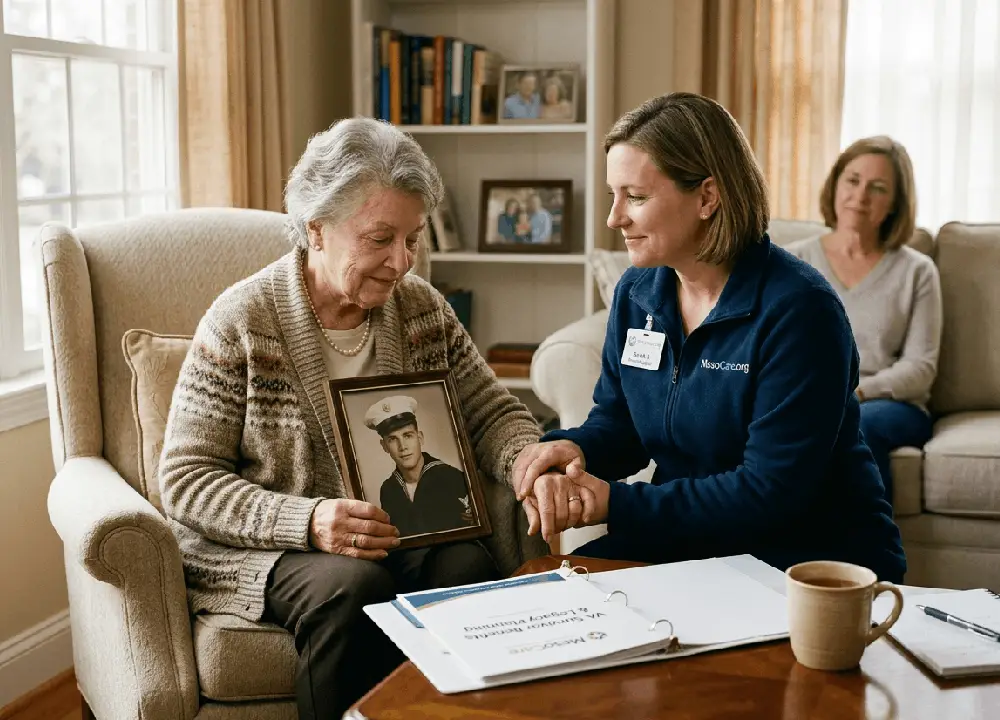
Taking the step to file for survivor’s benefits is an act of stewardship. You are ensuring that the sacrifices your spouse made during their military career continue to provide for the family they loved. While the paperwork may be daunting, the result is a lifelong safety net that honors their service and provides you with the peace of mind you deserve. By following the structured steps outlined in this guide, you can move forward with confidence, knowing you are doing exactly what your spouse would have wanted: protecting the family unit. The stoic nature of many veterans often means they didn’t want to make a fuss, but they would undoubtedly want their spouse to be taken care of.
Remember that you do not have to do this alone. Reach out to veteran advocacy groups, utilize the resources provided by the VA, and stay persistent. The system is complex, but it is designed to reward those who provide clear, evidence-based documentation. Your spouse earned these benefits through their service to the nation, and it is your right to receive them. Whether it is through monthly DIC payments, healthcare access, or memorial honors, the legacy of their service remains a shield for you and your family. In 2026, the community of survivors is stronger and more connected than ever, offering a network of support that can help you find light in a dark time.
Medical Disclaimer: MesoCare.org provides educational information and is not a medical provider. We are not doctors. This content is not intended to be a substitute for professional medical advice, diagnosis, or treatment. Always seek the advice of your physician with any questions regarding a medical condition. Treatments mentioned are options that may help and should be discussed with a specialist.
Legal Disclaimer: MesoCare.org is a resource center and advocacy group, not a law firm. We do not provide legal advice or guarantee specific financial outcomes. No attorney-client relationship is formed by using this site or contacting an advocate. Potential compensation or grant amounts are estimates and vary by individual case.