
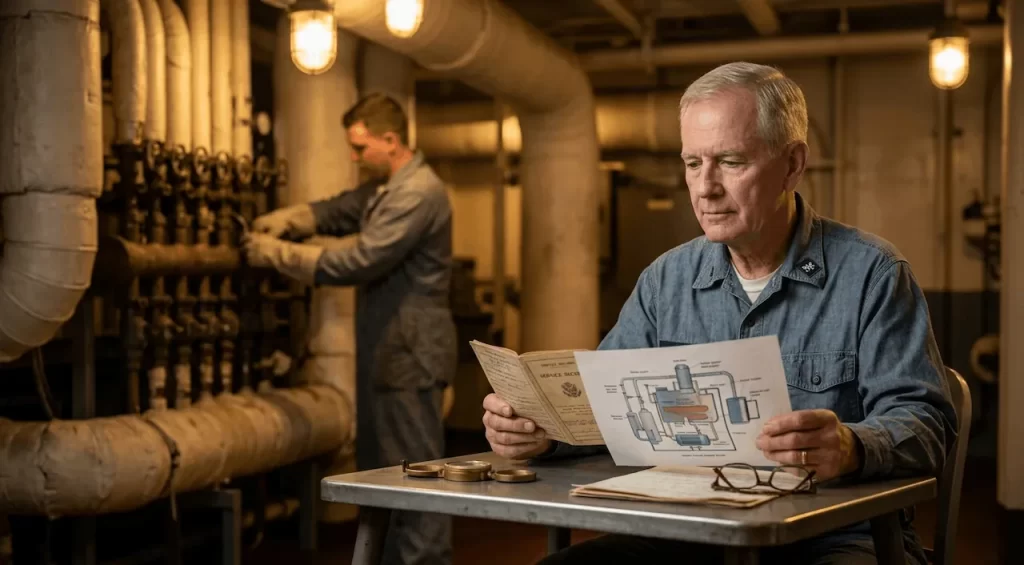
For many veterans, military service was more than just a job; it was a defining chapter of life built on discipline, specialized skills, and a commitment to duty. However, decades after hanging up the uniform, many former service members are facing a new and silent challenge. If you or a loved one are experiencing respiratory issues or have received a difficult diagnosis, it is natural to look back at your time in the service and ask how your specific duties might have impacted your health today. The transition from active duty to civilian life should be a time of peace, but for those facing an asbestos-related illness, it often feels like a new kind of battle.
The connection between military service and asbestos exposure is well-documented, but the risks were not the same for everyone. Depending on your Military Occupational Specialty (MOS) or job code, your daily environment may have been heavily concentrated with asbestos fibers. Understanding these specific risks is a critical step in accessing the care and support you have earned. To begin this journey, identifying where asbestos exposure occurred can provide the clarity needed to navigate your medical and financial options. By pinpointing the “where” and “how” of your exposure, you can build a stronger roadmap for your future health and financial security.
Paying for care: Several paths can help cover mesothelioma treatment, travel, and lost income — trust funds, VA benefits, Medicare/Medicaid, and named grants. Our financial-help overview walks through each one in plain language, with the named programs and how to apply.
Why Military Job Codes Determine Asbestos Exposure Risk

Asbestos was prized by the military for decades because of its heat resistance, durability, and fireproofing capabilities. It was used in everything from ship engine rooms to vehicle brake pads and barracks insulation. Because asbestos was so woven into the infrastructure of military life, your specific job tasks, often dictated how much of this toxic mineral you breathed in or swallowed. In the tight quarters of a naval vessel or the dusty environment of a motor pool, these microscopic fibers could linger in the air long after a repair was completed.
For the veteran, it can be difficult to reconcile a history of hard work with a modern-day illness. It is important to remember that these exposures were often unavoidable and part of the standard operating environment of the time. By mapping your military career to known asbestos “hot zones,” you can create a clear record that helps healthcare providers and advocates understand your health history. This documentation is not about “charity,” but about ensuring you receive the earned benefits and support that were promised to you for your service to our country.
Mapping your military history does more than provide answers, it establishes your eligibility for the financial grants and assistance you have rightfully earned.
“Veterans who served in any branch of the military may have been exposed to asbestos. Asbestos was used by the military for its heat-resistant and fire-resistant properties in many different applications, including ships, aircraft, and buildings.”
— U.S. Department of Veterans Affairs
The Boiler Room: Navy and Coast Guard Engine Room Risks
Perhaps no environment was more concentrated with asbestos than the engine rooms and boiler rooms of military vessels. Navy veterans, particularly those who served on ships built before the mid-1970s, were often in constant contact with asbestos-containing materials. The confined spaces of a ship meant that fibers released during routine maintenance remained trapped in the air for long periods, where they were easily inhaled by anyone nearby. This “second-hand” exposure often affected sailors who weren’t even the ones performing the repairs.
Boilermakers and Machinists Mate Duties
If your MOS involved maintaining boilers (such as an MM or BT), you likely handled asbestos-laden insulation, gaskets, and packing on a daily basis. Asbestos was used to “lag” or wrap pipes to keep the extreme heat contained within the ship’s propulsion system. When these wraps were cut, removed, or repaired, a cloud of fine dust was often released into the small, poorly ventilated spaces. Because these sailors worked in high-heat environments where sweating was constant, the risk of fibers sticking to skin and clothing, and later being inhaled, was significant.
Pipefitters and Damage Control Specialists
Those responsible for shipboard repairs often had to disturb old insulation to reach pipes and valves. Damage controlmen, who were trained to fight fires and repair hull damage, used asbestos gloves and protective gear that, ironically, often shed fibers as they became worn or damaged. These daily tasks created a cumulative exposure that can take decades to manifest as a respiratory illness. Even shipboard cooks and laundry workers were at risk, as the ventilation systems often carried fibers from the engine rooms throughout the entire vessel.
The Motor Pool: Army and Marine Corps Vehicle Maintenance
For those who served in the Army or Marine Corps, the motor pool was a primary site of exposure. Asbestos was a standard component in many vehicle parts that required friction or heat resistance. For a mechanic, the simple act of “blowing out” a brake drum with compressed air could lead to massive exposure. This was a common practice for decades before the dangers of asbestos were fully communicated to the troops on the ground.
Wheeled Vehicle Mechanics and Brake Repair
Brake linings and clutch discs were historically manufactured with high concentrations of asbestos. Every time a mechanic serviced these parts, they were potentially exposed to microscopic dust. This was not limited to heavy tanks or armored personnel carriers; even standard transport trucks and jeeps utilized these materials. If your job involved the teardown and rebuild of engines or braking systems, your asbestos exposure risk was notably higher than those in administrative or support roles. The dust often settled on coveralls and workbenches, creating a lasting hazard.
Artillery and Tank Crew Exposure
Beyond the mechanics, the crews operating heavy machinery were also at risk. Tanks were often lined with asbestos for fireproofing and to insulate the crew from the engine’s intense heat. In the heat of a training exercise or combat, these linings could degrade or become damaged, releasing fibers into the cramped interior of the vehicle where crews spent hours at a time. Artillery units also used asbestos-lined gloves and blankets to handle hot shell casings or “cool down” barrels after firing exercises, putting those in these MOS codes at constant risk.
The Flight Line: Air Force and Naval Aviation Specialized Jobs
The Air Force and aviation units across all branches utilized asbestos in aircraft construction and maintenance. The extreme temperatures produced by jet engines required materials that would not melt or catch fire, leading to the heavy use of asbestos in engine heat shields, gaskets, and firewall insulation. On a busy flight line, the constant vibration of aircraft could loosen fibers from insulation, making the air around the planes a hidden hazard.
Aircraft Electricians and Engine Mechanics
Electricians often worked with wiring that was insulated with asbestos sleeves or protective barriers. Engine mechanics who performed overhauls on jet engines or worked on the brakes of heavy cargo aircraft encountered the same friction-based asbestos risks as ground vehicle mechanics. Even those who worked in hangers could be exposed to “secondary” dust that settled on rafters and surfaces over years of maintenance work. The cleaning of these hangers often kicked up old dust, creating a fresh wave of exposure for younger airmen.
Airfield Firefighters and Protective Gear
Military firefighters were tasked with protecting personnel and equipment from fuel fires. Their “silver” proximity suits and specialized fire blankets were often made of woven asbestos fibers. While designed to save lives in the short term, the aging or fraying of this gear could release fibers, especially when the suits were stored in lockers or cleaned after a call. This means those dedicated to saving others were often unknowingly putting their own long-term health at risk.
Construction and Infrastructure: Seabees and Army Engineers
Construction-related MOS codes faced risks that mirrored the civilian construction industry, but often without the same level of oversight or protective equipment. Seabees (Navy) and Army Engineers were responsible for building and maintaining the bases, barracks, and hospitals where troops lived and worked around the world. In many overseas deployments, the use of asbestos in local building materials was even more common and less regulated than in the United States.
Carpenters, Plumbers, and Insulation Workers
Asbestos was present in floor tiles, roofing shingles, ceiling tiles, and joint compounds used in military construction. When engineers were tasked with renovating older buildings or setting up temporary structures, they frequently cut into these materials, creating clouds of dust. Plumbers, in particular, dealt with the same “pipe lagging” issues found on ships, but within the walls of base housing and administrative buildings. Every time a pipe was repaired or a wall was opened, the risk of toxic exposure was present.
Demolition and Debris Clearance
The caregiver may remember their loved one talking about “clearing out” old structures or working in dusty environments during deployment. Demolition of older military infrastructure often released massive amounts of asbestos dust into the surrounding area, impacting not just those doing the work, but anyone stationed nearby. Because the dust was so fine, it could travel on the wind, meaning that even those who were not working directly on the demolition could still be exposed while performing other duties on base.
Next Steps: Connecting Your Service History to Care
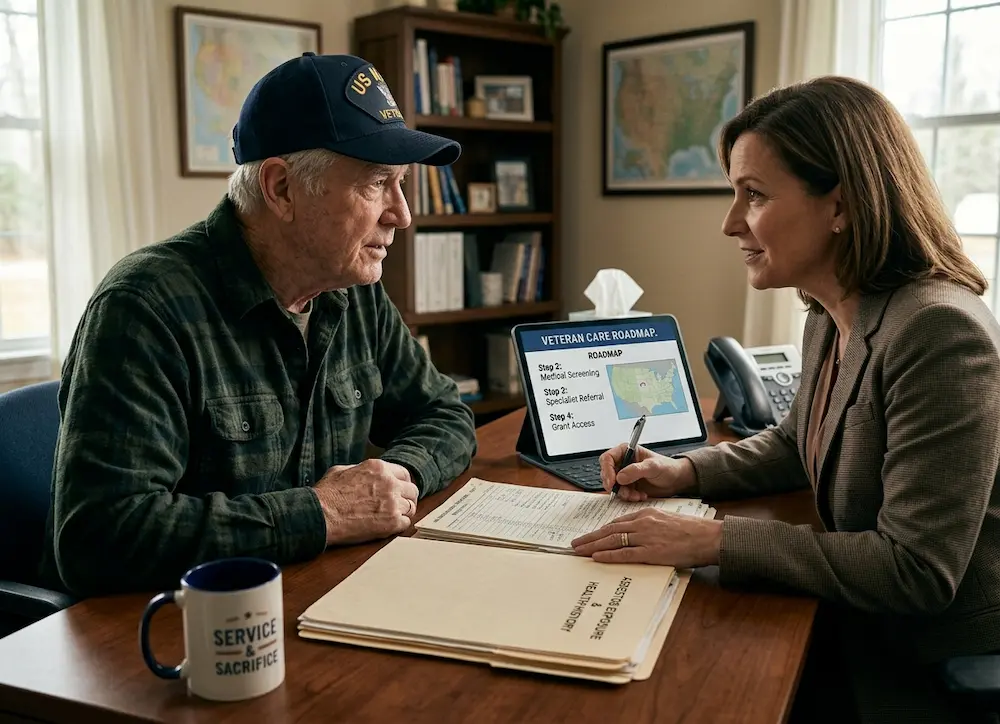
Identifying your MOS and your daily tasks is the foundation for any claim or medical evaluation. It is not enough to simply say you were in the Navy or the Army; being able to say you were a Machinists Mate who serviced specific boilers or a mechanic who worked on brake systems provides the detail needed for a patient advocate to help you effectively. This roadmap helps ensure that you receive the specific medical screenings and financial support tailored to your unique history and the risks you faced while in uniform.
If you or a loved one are feeling overwhelmed by the physical or financial toll of a mesothelioma diagnosis, we are here to walk with you. Whether you need help finding a specialist who understands veteran health or you want to understand how to access compensation for medical bills, our team is ready to assist. You have spent your life serving others; now, it is time to let us serve you. Reach out to MesoCare today to speak with an advocate who understands your service, your sacrifice, and your path to support.
Source: National Cancer Institute
Medical Disclaimer: MesoCare.org provides educational information and is not a medical provider. We are not doctors. This content is not intended to be a substitute for professional medical advice, diagnosis, or treatment. Always seek the advice of your physician with any questions regarding a medical condition. Treatments mentioned are options that may help and should be discussed with a specialist.
Legal Disclaimer: MesoCare.org is a resource center and advocacy group, not a law firm. We do not provide legal advice or guarantee specific financial outcomes. No attorney-client relationship is formed by using this site or contacting an advocate. Potential compensation or grant amounts are estimates and vary by individual case.