
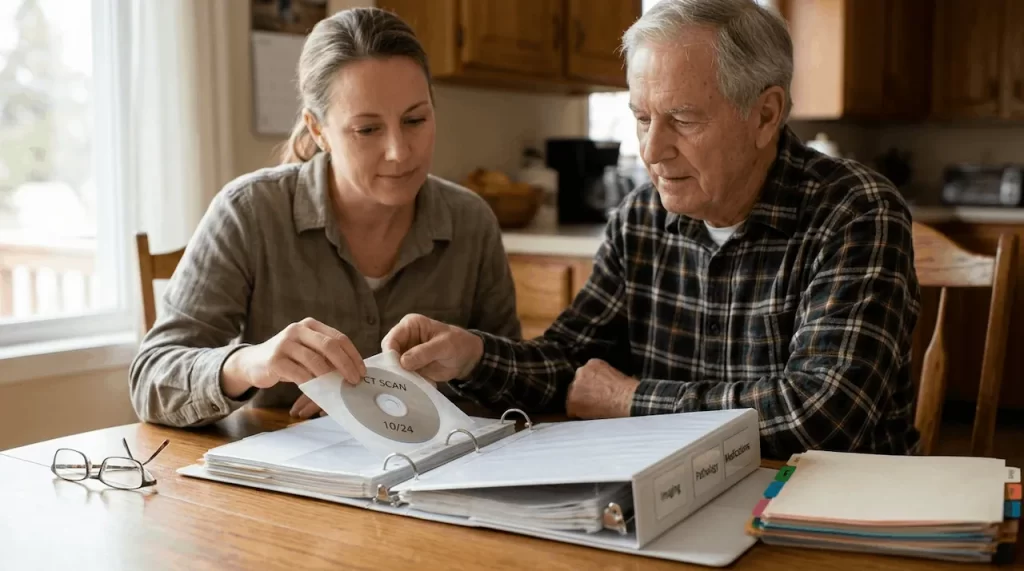
Receiving a mesothelioma diagnosis is often a whirlwind of clinical jargon and overwhelming paperwork, but for veterans and industrial workers, staying organized is the most effective way to ensure high-quality care. Between hospital visits and specialist consultations, it is easy for critical documents like pathology reports or imaging discs to go missing just when they are needed most for a second opinion or a compensation claim. By building a “master binder,” you move from a state of shock into a state of active advocacy, providing your medical team with a clear roadmap of your history. To help manage this process effectively, understanding the specific challenges of living with mesothelioma can provide the necessary foundation for your organizational efforts and help you regain a sense of control over your family’s future.
Where to find a specialist: Most mesothelioma programs are at one of the 13 NCI-designated cancer centers that run a dedicated mesothelioma service. We list them with phone numbers in our caregiver guide to finding a mesothelioma specialist, including which centers do P/D versus EPP and how to ask for a second opinion.
Essential Medical Records for Your Mesothelioma Binder
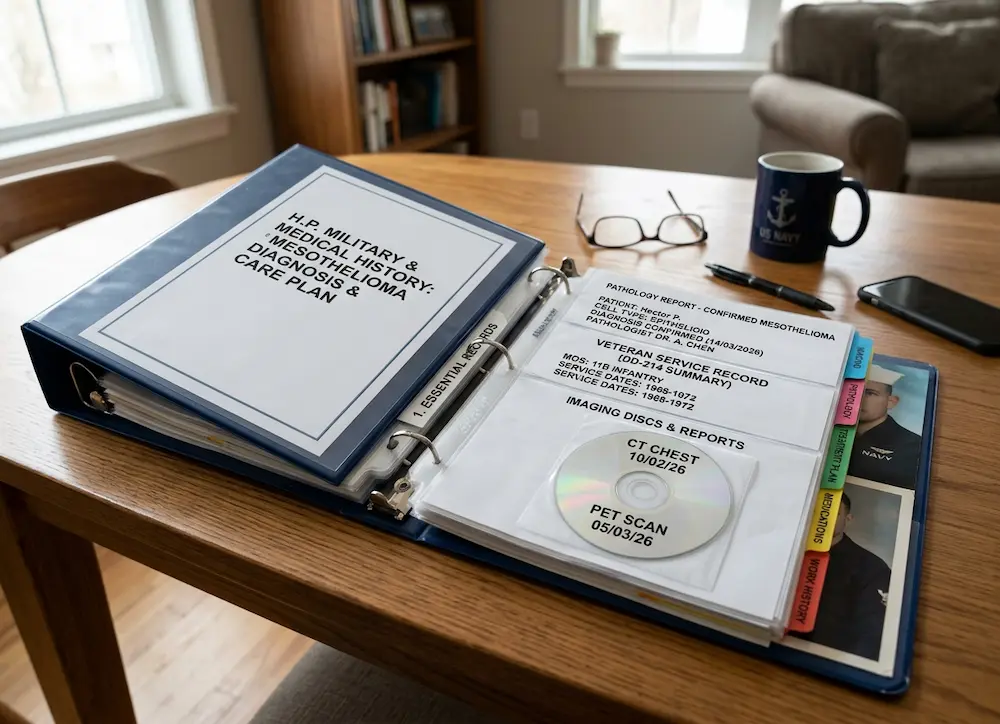
The first step in taking control is gathering the physical and digital records generated during the initial diagnostic phase. While many hospitals use electronic patient portals, these systems often do not communicate across different healthcare networks, making your own physical copies a vital asset. Having your own records ensures that every doctor on your team, whether at a local VA or a specialized cancer center, is looking at the same set of facts. This prevents redundant, expensive testing and ensures that your records travel as fast as you do during your treatment journey.
A well-organized binder should be categorized into sections that are easy to navigate during high-stress appointments. Using clear plastic sleeves and tabbed dividers can keep documents clean and accessible, allowing you to spend less time digging through folders and more time asking the oncologist critical questions. This level of preparation ensures you remain the most informed person in the room, which is an invaluable asset when discussing complex treatment protocols or clinical trial eligibility with your surgical team.
Organizing your medical history is the first step toward securing the resources necessary to cover your care and protect your family’s future.
“Maintaining a personal health record (PHR) can help you keep track of your medications, test results, and treatment plans. This is especially helpful if you see multiple doctors or receive care at different facilities.”
— American Cancer Society
Managing Imaging Results: CT Scans, PET Scans, and X-rays
Imaging is often the first red flag in the diagnostic process, whether it was a routine chest X-ray or a detailed PET scan used for staging. These images are the blueprints of the illness, and it is a common misconception that having the written report is sufficient for a specialist. Most thoracic surgeons and radiologists will want to view the actual raw data of the images to make their own independent assessment. Relying solely on a summary can lead to significant delays if a specialist feels they must see high-resolution images before making a surgical recommendation.
The Importance of Physical Imaging Discs
Hospitals typically provide these images on a CD-ROM or USB drive, and it is a critical task to request a physical copy of every scan performed. Keep these discs in a dedicated sleeve within your binder rather than relying on cloud links, which can expire or require specific software. Having the physical disc in hand ensures that a specialist can pull up the images immediately during your visit. Furthermore, having your own copy prevents the frustration of lost records when transferring between a local facility and a private cancer center.
Tracking Changes Over Time
As treatment progresses, doctors will use follow-up scans to monitor how the tumor responds to intervention. By keeping your imaging results organized chronologically, you can help the medical team quickly compare a new scan to a baseline result. This comparison is the primary way doctors determine if a specific chemotherapy or immunotherapy protocol is working effectively. For the caregiver, being able to point to specific dates and results provides a clearer picture of treatment success and helps manage expectations for the coming months.
Pathology Reports: The Gold Standard for Diagnosis
If imaging results are the blueprint, the pathology report is the definitive identification of the disease. This document, produced after a biopsy or fluid drain, is reviewed by a pathologist under a microscope to confirm the specific cell type. It is perhaps the single most important piece of paper in your binder because it moves a diagnosis from suspected to confirmed. Without this report, it is nearly impossible to move forward with aggressive treatment or apply for specialized financial support programs.
Identifying Cell Types for Treatment and Compensation
Whether the diagnosis is epithelioid, sarcomatoid, or biphasic, the cell type dictates the entire treatment strategy. Furthermore, the pathology report is the primary document required to verify eligibility for pathological confirmation of asbestos disease. Without this report, you cannot access the various asbestos trust funds or veteran benefits available to help families cover medical costs. This report is essentially the key that opens the door to the vast majority of support programs available to patients today.
Requesting Second Opinion Pathology Reviews
Because mesothelioma is a rare cancer, it is common practice to send original tissue slides to a major cancer center for a second opinion. Your checklist should include a note of where those physical tissue samples are currently located. Knowing which lab has your samples can save weeks of time if you decide to pursue a clinical trial. It also ensures that the most experienced specialists in the country are confirming the diagnosis, providing you with the confidence needed to move forward with a treatment plan.
Treatment Plans and Daily Medication Logs
Once the diagnosis is confirmed, the medical team will present a treatment plan outlining chemotherapy cycles, radiation dosages, or surgical timing. This plan is not set in stone and will often change based on the patient’s response or lab results. Keeping a history of these changes helps you understand the reasoning behind your loved one’s care and provides a record of their resilience throughout the process. It also ensures that every family member involved in coordination is on the same page.
Coordinating Oncology and Surgical Notes
Keep a section in your binder for “Doctor Notes” and ask for a summary after each visit. These notes often contain specific instructions regarding side effect management or changes to the treatment schedule. Having these in writing prevents the confusion that often occurs when multiple family members are trying to coordinate care. It also provides a clear record to show a primary care physician who may not be part of the oncology team, ensuring that everyone involved in the patient’s care remains fully informed.
Maintaining a Live Prescription List
Managing the “pharmacy at home” is often the most stressful part for a caregiver. Create a live document listing every medication, dosage, time of day, and pharmacy contact information. This list should include over-the-counter supplements to prevent dangerous drug interactions. In a moment of crisis, being able to hand a clear list to a nurse or EMT can be a life-saving action. Keeping this document updated ensures the highest level of safety for your loved one throughout their various treatment cycles.
Work History and Exposure Records
While work history is not a medical record, it is a vital part of the mesothelioma diagnosis checklist. Because this disease is almost exclusively caused by asbestos, proving where and when exposure occurred is the only way to link the illness to financial support. For veterans, this means documenting their MOS and the specific ships or bases where they served. For industrial workers, it involves recalling specific worksites and the years spent in those environments to build a strong case for assistance.
Connecting the Dots Between Career and Health
Take the time to write a simple list of every major job your loved one held, including years of employment and the types of materials handled. This “exposure diary” is a powerful tool for identifying occupational asbestos risks and ensuring that the legacy of their hard work is recognized through the support they receive. This document bridges the gap between a life of service and the foundation for care they need today, turning memories into actionable data for advocates.
Building a Support Team
You do not have to be an expert in medical records to get this right; a patient advocate can help you piece this puzzle together. They can assist in tracking down old employment records or identifying which asbestos trust funds are relevant based on a specific career path. This organized approach transforms a feeling of helplessness into a concrete plan of action. By working with professionals who understand the intersection of medicine and exposure history, you can ensure that your binder is a powerful tool for justice and healing.
Order Creates Opportunity for Better Care
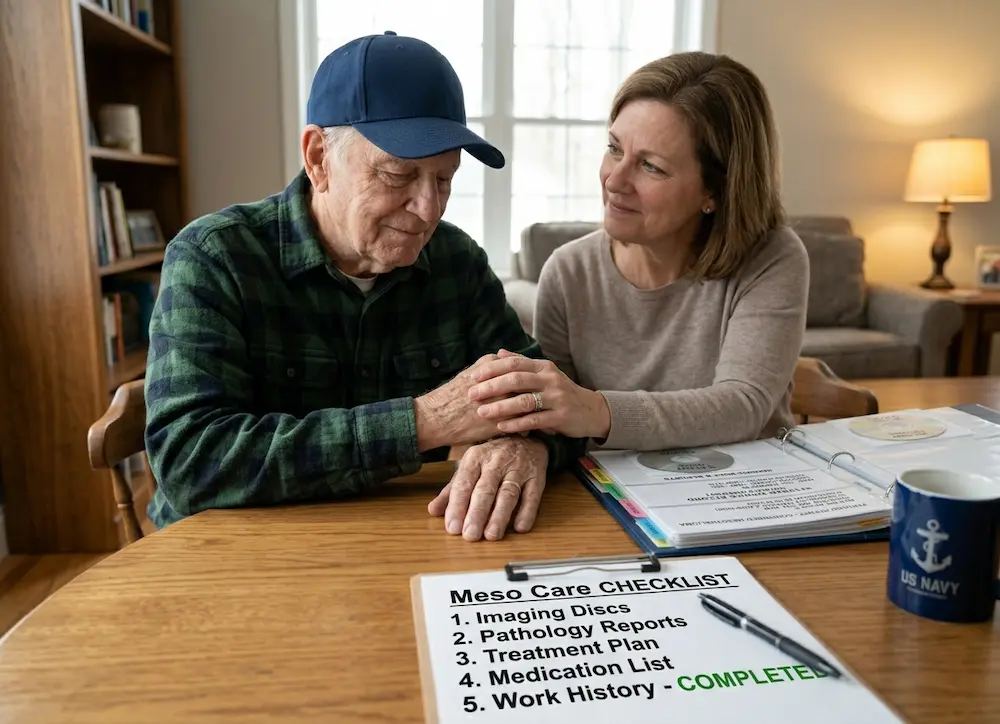
A well-organized binder does more than hold paper; it provides peace of mind and allows the family to focus on what matters most: spending quality time together. By checking off each item (imaging discs, pathology reports, treatment plans, medication lists, and work history), you are building a fortress of information that protects your loved one’s health and legal rights. In the face of a difficult diagnosis, this organization is your greatest strength and your clearest path toward the care you deserve.
If you are feeling overwhelmed by the paperwork, remember that help is always available. Navigating the complexities of medical records and exposure history is a significant undertaking, but it is the key to unlocking the resources your family deserves. Reach out to our team at MesoCare for guidance on how to organize your records and take the next step toward comprehensive support. We are here to help you turn your documentation into a roadmap for the future.
Medical Disclaimer: MesoCare.org provides educational information and is not a medical provider. We are not doctors. This content is not intended to be a substitute for professional medical advice, diagnosis, or treatment. Always seek the advice of your physician with any questions regarding a medical condition. Treatments mentioned are options that may help and should be discussed with a specialist.
Legal Disclaimer: MesoCare.org is a resource center and advocacy group, not a law firm. We do not provide legal advice or guarantee specific financial outcomes. No attorney-client relationship is formed by using this site or contacting an advocate. Potential compensation or grant amounts are estimates and vary by individual case.