

Walking into an oncology center can feel like entering a different world where the language is technical and the stakes are impossibly high. For the daughter or wife acting as the primary caregiver, these appointments are often a blur of adrenaline and anxiety. You are trying to listen, take notes, and provide emotional support all at the same time. However, the most important thing to remember is that you are not just an observer; you are a vital member of the medical team. Being empowered means having the right tools to turn a confusing clinical consultation into a clear, actionable roadmap for your loved one’s health.
The Importance of Advocacy in Mesothelioma Care
Mesothelioma is a complex disease that requires specialized knowledge. Because it is rare, not every oncologist has extensive experience treating asbestos related cancers. This is why your role as an advocate is so critical. You are the one who knows the patient best, and you are the one who will ensure that no detail is overlooked. When you arrive at the clinic with a structured list of questions, you signal to the care team that you are an active partner in the decision making process.
In 2026, the medical landscape is shifting toward more personalized medicine. This means that the “standard” treatment might not be the only path. By navigating the latest mesothelioma treatment options, you open the door to advanced care such as immunotherapy or gene therapy that might otherwise go unmentioned in a standard consultation.
You are not alone. Check your eligibility for financial aid to cover treatments and family expenses.
Essential Questions Regarding Diagnosis and Staging
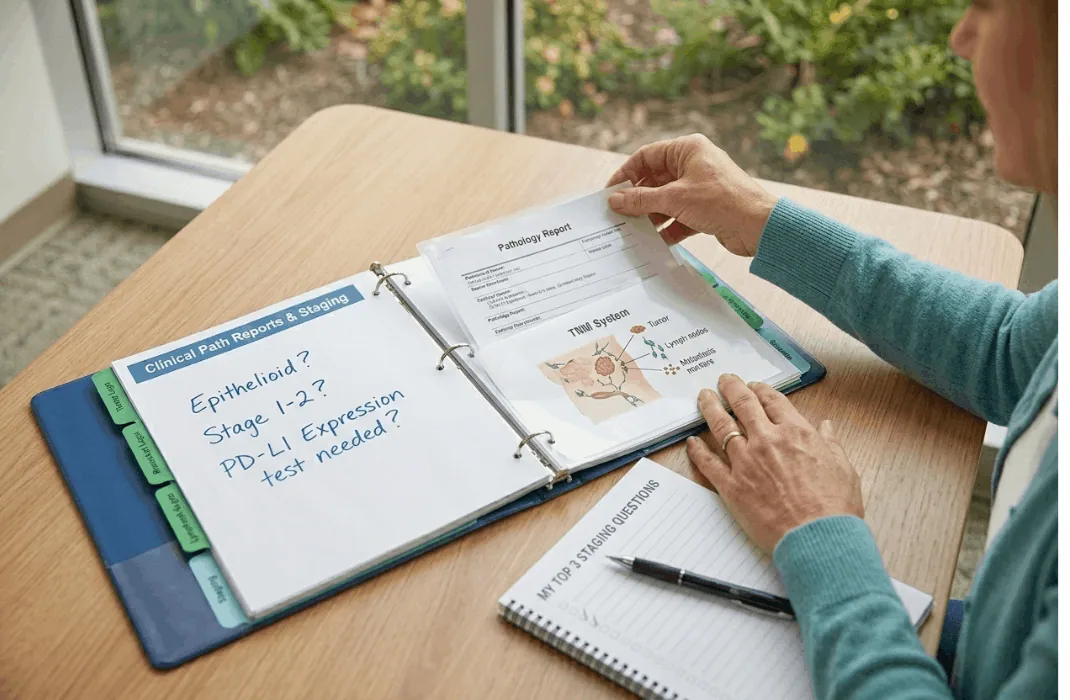
Before you can decide on a treatment path, you must have a crystal clear understanding of the diagnosis. Staging is not just a number; it is a description of where the cancer is located and how it is behaving. Use these questions to pin down the facts:
- What is the specific cell type? Is it epithelioid, sarcomatoid, or biphasic? (Epithelioid generally has a better prognosis and responds differently to chemotherapy).
- What is the exact stage of the disease? How did you determine this stage, and does it limit our surgical options?
- Has the cancer spread to the lymph nodes? This information is vital for understanding if the cancer is localized or systemic.
- Are there any specific biomarkers we should test for? Biomarker testing, such as PD-L1 expression, can help determine if the patient is a candidate for certain immunotherapies.
Understanding these details helps you align with the NCCN Guidelines for Patients, which provide a gold standard for how mesothelioma should be managed according to top experts.
Evaluating Treatment Paths and Side Effects
Once the diagnosis is clear, the conversation shifts to the “how.” In 2026, many patients utilize a multi-modal approach, which combines surgery, chemotherapy, and radiation. However, the order and intensity of these treatments can vary significantly based on the patient’s “performance status” (their overall strength).
Questions for the Surgeon or Oncologist
- What is the primary goal of this specific treatment? Are we aiming for a complete removal of the tumor (curative intent) or are we focused on symptom relief and quality of life (palliative intent)?
- What are the risks of surgery versus the risks of waiting? This helps you weigh the physical toll of an aggressive procedure against the natural progression of the disease.
- What are the most common side effects we should expect at home? Knowing what is normal helps reduce caregiver anxiety when a patient experiences expected fatigue or nausea.
- How will this treatment affect my loved one’s daily routine? Will they be able to walk, eat normally, or require around the clock care during the recovery weeks?
“Patients who are well informed about their treatment options often experience less anxiety and feel more in control of their healthcare journey.” — National Cancer Institute
Exploring Clinical Trials and Emerging Therapies in 2026
We are currently in an era of rapid medical advancement. For mesothelioma, clinical trials are often considered as a first or second line option rather than a last resort. Do not be afraid to bring up trials even if the doctor has not mentioned them yet.
- Are there any active clinical trials at this center that my loved one qualifies for?
- Are there trials at other institutions we should consider? Some of the most promising work in new immunotherapy combinations is happening at specialized “High-Volume” centers.
- What are the pros and cons of joining a trial versus staying with standard care?
- Is there financial assistance available to help with travel costs? Many families find that mesothelioma travel grants are essential to reach these specialized clinical trial sites.
You can also search the ClinicalTrials.gov database to see what is currently recruiting for asbestos related diseases nationwide. Bringing a printout of a relevant trial to your appointment shows the care team that you are looking for every possible advantage for your family.
Logistical and Financial Questions for the Social Worker
The medical side of mesothelioma is only half the battle. The logistical and financial strain can be equally overwhelming for a daughter or wife managing the household records. Use the oncology social worker as a resource for these practical concerns.
Practical Questions for the Social Worker

- Who is our main point of contact if a symptom changes over the weekend? Having a direct nurse line or an after hours number is essential for your peace of mind.
- Do you provide assistance with insurance appeals or prior authorizations? Mesothelioma treatments are expensive, and insurance hurdles are common in 2026.
- Are there local support groups specifically for mesothelioma caregivers? Connecting with others who understand the unique weight of this diagnosis can prevent caregiver burnout.
- How do we access the medical records for our own files? Keeping an organized home binder is the best way to stay ahead of the paperwork.
The 2026 Urgency Hook: Protecting Your Family’s Future
While you are focused on the “Hand” of caregiving (the appointments and the questions), it is vital not to ignore the “Head” of the situation. A mesothelioma diagnosis carries significant financial implications, and the clock is ticking on your ability to secure support. In 2026, the legal landscape regarding asbestos trust funds is more focused on strict deadlines than ever before.
The “Statute of Limitations” means that you have a limited window of time from the date of diagnosis to file for compensation. These funds were specifically created to help families cover the very costs you are discussing in the oncology office: co pays, travel to specialists, and long term care. Many families feel that looking into legal aid is a “distraction” from medical care, but in reality, it is the shield that allows you to afford the best medical care possible. You do not have to sound like a lawyer to get these answers; you simply need to check your eligibility before the 2026 windows close.
Preparing for the Next Appointment: A Caregiver Checklist
Before you head out the door for your next visit, take five minutes to run through this “Empowered Caregiver” checklist:
- Charge your phone: You may want to record the doctor’s explanations (with permission) so you can listen back later when you are calm.
- Bring a notebook: Write down the name of every nurse and resident you speak with.
- Prioritize your top three: If the doctor is rushed, make sure your three most urgent questions are asked first.
- Ask for a summary: At the end of the visit, ask the doctor to summarize the next steps in plain language.
You are doing an incredible job in a very difficult season. By asking the right questions and seeking out all available resources, you are giving your loved one the best possible chance. Whether you are looking for medical clarity or financial guidance, MesoCare is here to provide the roadmap your family deserves.
Did You Know? Research indicates that mesothelioma patients treated at high volume cancer centers have significantly better survival outcomes than those treated at local community hospitals. In 2026, access to these centers is often supported by specialized grants and trust fund compensation. Source: Journal of Thoracic Disease / NIH
Medical Disclaimer: MesoCare.org provides educational information and is not a medical provider. We are not doctors. This content is not intended to be a substitute for professional medical advice, diagnosis, or treatment. Always seek the advice of your physician with any questions regarding a medical condition. Treatments mentioned are options that may help and should be discussed with a specialist.
Legal Disclaimer: MesoCare.org is a resource center and advocacy group, not a law firm. We do not provide legal advice or guarantee specific financial outcomes. No attorney-client relationship is formed by using this site or contacting an advocate. Potential compensation or grant amounts are estimates and vary by individual case.