
For a practical 2026 overview of how to discuss treatment options with your care team, see our guide: How to discuss 2026 mesothelioma treatment with your care team.
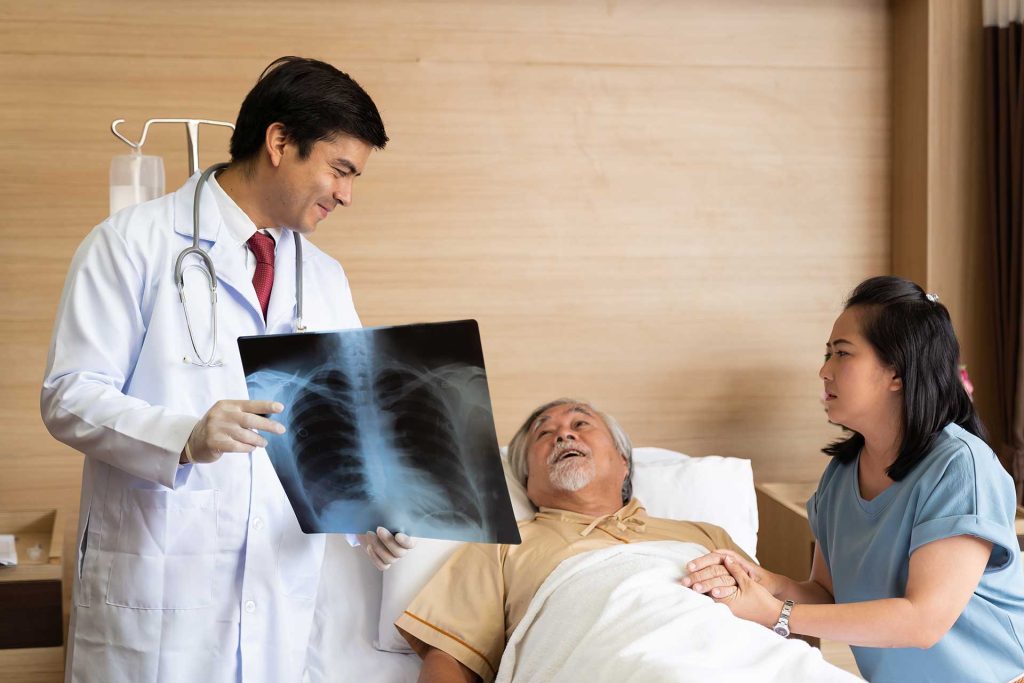
Mesothelioma Treatment Options
Educational overview only • Not a substitute for medical advice
Treatment for mesothelioma often involves a combination of approaches tailored to the individual. This page outlines the most common treatment paths and explains how doctors determine what may be appropriate based on diagnosis, stage, and overall health.
- Surgery, chemotherapy, and radiation therapy
- Emerging and clinical trial treatments
- Multidisciplinary care teams
- Managing side effects and quality of life
- Preparing for treatment discussions

Don't Deal With Mesothelioma Alone
Treatment Options
Choosing a surgery for pleural mesothelioma is a careful, personal decision. Both pleurectomy/decortication (P/D) and extrapleural pneumonectomy (EPP) aim to remove cancer from the lining of the lung and chest. They differ in how much tissue is removed and how they affect breathing afterward.
P/D removes the diseased lining and visible tumor, while keeping the lung. EPP removes the lining, the lung on that side, and sometimes parts of the diaphragm and the heart lining, which are then rebuilt. Your team weighs tumor spread, lung function, and your goals. Asbestos exposure is the main cause of mesothelioma. Surgery is one part of care along with drug therapy and supportive treatment.
Chemotherapy remains a core tool for treating asbestos and mesothelioma. Many people face mesothelioma after years of asbestos exposure, often at work or in the military. This guide explains what chemotherapy does, how it is given, and what side effects to expect. It also shares simple tips for side effect management. Care plans differ by cancer stage, type, and personal goals. That includes pleural mesothelioma in the chest and peritoneal mesothelioma in the abdomen. The goals of therapy are clear: control cancer, ease symptoms, and help people live longer with better comfort.
Radiation therapy uses high-energy beams to damage cancer cell DNA. In mesothelioma, it can improve local control after surgery or provide meaningful pain relief when tumors irritate the chest wall or nerves.
Planning and Simulation
- CT planning scan with custom immobilization to target the tumor precisely.
- Breathing motion management and careful dose constraints to protect normal lung and heart.
Techniques
- IMRT/VMAT for conformal dose around complex anatomy.
- 3D conformal or targeted fields for palliative relief.
When It’s Used
- After pleurectomy to reduce microscopic residual disease in select cases.
- Palliative therapy for chest wall pain, bleeding, or compressive masses.
Side Effects
- Fatigue, skin irritation, cough, and temporary swallowing discomfort.
- Most effects resolve within weeks; report new or worsening symptoms promptly.
Key Takeaways
Well-planned radiation complements surgery and chemotherapy and can significantly improve comfort and function.
What if your immune system could find and fight cancer cells? That is the basic idea behind immunotherapy, a treatment approach that activates natural defenses to target tumors. This option matters for people with mesothelioma, a cancer that often starts years after asbestos exposure. Unlike chemotherapy, which attacks fast-growing cells across the body, immunotherapy works by taking the brakes off immune cells so they can recognize tumor signals and respond.
Most cases of mesothelioma come from long-term asbestos exposure. Mesothelioma is a cancer of the mesothelial lining, most often around the lungs or in the abdomen. The two main types are pleural (chest) and peritoneal (abdomen). Standard care often uses more than one treatment in a planned sequence. This is called multimodal therapy. It blends surgery, chemotherapy, and radiation so the strengths of each method overlap. The goals are clear. Control the cancer, ease symptoms, and help people live longer with better quality of life.
Surgery
Surgery Options for Pleural Mesothelioma: Pleurectomy/Decortication vs. Extrapleural Pneumonectomy
Choosing a surgery for pleural mesothelioma is a careful, personal decision. Both pleurectomy/decortication (P/D) and extrapleural pneumonectomy (EPP) aim to remove cancer from the lining of the lung and chest. They differ in how much tissue is removed and how they affect breathing afterward.
P/D removes the diseased lining and visible tumor, while keeping the lung. EPP removes the lining, the lung on that side, and sometimes parts of the diaphragm and the heart lining, which are then rebuilt. Your team weighs tumor spread, lung function, and your goals. Asbestos exposure is the main cause of mesothelioma. Surgery is one part of care along with drug therapy and supportive treatment.
This guide reviews what each surgery involves, who may qualify, benefits and risks, recovery, and how to choose with your team. It is informational only. Discuss your options with a mesothelioma specialist.
What are Pleurectomy and Decortication and Extrapleural Pneumonectomy?
The pleura is a thin lining around the lungs and chest wall. In pleural mesothelioma, cancer grows on this lining. This can trap the lung, cause chest pain, and make breathing hard.
Pleurectomy and decortication, or P/D, removes the diseased pleura and visible tumor. Surgeons peel tumor from the lung surface and chest wall. The lung stays in place. The goal is to free the lung so it can expand and to reduce symptoms.
Extrapleural pneumonectomy, or EPP, removes more tissue. Surgeons remove the pleura and the entire lung on the affected side. If the tumor involves the diaphragm or the sac around the heart, they remove those parts too. They then rebuild the diaphragm and pericardium with patches. This helps the chest work after surgery.
Both surgeries have a shared aim. They try to remove as much tumor as possible to ease symptoms and allow other treatments, like chemotherapy or radiation, to work better. Surgeons may suggest one over the other based on where the tumor sits, how far it has spread, and how well your lungs and heart can handle the operation. Comparative studies review these choices and trends, including analyses in peer‑reviewed journals such as The Annals of Thoracic Surgery and PubMed summaries of surgical outcomes.
How Pleurectomy and Decortication works step by step
You receive anesthesia so you are asleep and pain free. The surgeon makes one or more incisions to enter the chest. They remove the diseased pleura and peel tumor from the lung surface and chest wall. The tight tumor rind is removed to let the lung expand again.
If the tumor involves the diaphragm or heart lining, the team can remove small areas and place a patch to repair them. The lung stays in place. Common goals include better breathing, less chest pain, and improved quality of life. P/D often takes several hours and is performed by teams with mesothelioma experience.
How Extrapleural Pneumonectomy works step by step
You receive general anesthesia. The surgeon makes an incision to open the chest. They remove the pleura and the entire lung on the affected side. If the tumor involves the diaphragm or pericardium, those parts are removed as well.
The team rebuilds the diaphragm and pericardium with patches so the chest can function. This is a larger operation and often needs a longer hospital stay. The aim is to remove all visible tumor when cancer wraps the lung or invades nearby structures in a way that P/D cannot address. Overviews for patients describe these key differences in plain terms, such as this resource on pleurectomy vs pneumonectomy.
Goals and when surgeons consider each option
Both surgeries share goals. Remove visible tumor, ease pain and shortness of breath, improve the fit for other therapies, and try to extend life.
P/D is often considered when the tumor can be peeled off and lung function is limited or needs to be preserved. EPP may be considered when the tumor fully encases the lung or grows into nearby tissues where lung removal may help achieve a more complete resection. The plan depends on scans, biopsy results, and fitness for surgery.
Key similarities and differences at a glance
Similarities:
- Aim to remove tumor and relieve symptoms
- Major chest operations with recovery time
- Best done at centers with experience
- Often part of a multimodal plan with drug therapy and radiation
Differences:
- P/D spares the lung; EPP removes the lung
- P/D may preserve more breathing capacity and shorten recovery
- EPP is more extensive and may carry higher risk of complications
- Selection depends on tumor spread and lung function
Who is a candidate for P/D vs EPP?
Candidacy rests on a careful review. Teams assess overall health, lung and heart function, tumor stage and pattern, and the mesothelioma cell type. The epithelioid type often responds better to surgery than sarcomatoid. Biphasic tumors vary based on the mix of cells. These features shape both the surgical plan and the expected recovery.
Doctors use imaging and breathing tests to guide the choice. They look for signs that the tumor is confined to one chest side. They check how the lung, heart, and muscles will handle the operation. Not everyone with pleural mesothelioma benefits from major surgery. Some patients do better with non-surgical care that focuses on symptom control and systemic therapy.
Shared decision making is important. Goals, values, and support at home all matter. Many teams discuss cases at a tumor board to weigh the details with thoracic surgeons, medical oncologists, radiation oncologists, and supportive care experts. Reviews of surgical series, such as those summarizing outcomes for P/D and EPP on PubMed, can help frame questions for your visit.
Tests that guide the decision
- CT scan and PET-CT: Map tumor spread, detect active disease, and check lymph nodes.
- MRI: Helps when the chest wall, diaphragm, or spine may be involved.
- Lung function tests: Measure airflow, volume, and gas exchange to see how the lungs perform.
- Heart tests: An echocardiogram or stress test if heart disease is possible.
- Blood tests: Check blood counts, kidney and liver function, and nutrition markers.
- Biopsy: Confirms mesothelioma and defines the cell type.
- Sometimes bronchoscopy or mediastinoscopy: Checks airway or lymph nodes if needed.
Each test helps match the operation to the tumor pattern and your fitness for surgery.
Tumor features that matter for surgery
Key features include whether disease stays on one side of the chest, whether it invades the chest wall, diaphragm, or lymph nodes, and the cell type. More limited disease and epithelioid type can increase the chance that surgery helps. When cancer spreads beyond the chest or when there is bulky nodal disease, EPP is less likely to benefit and non-surgical options may be better. Contemporary reports comparing operations, including large series in thoracic surgery journals, discuss these patterns.
Health factors and lung function needs
Age, heart disease, COPD, nutrition, and baseline activity level affect readiness. EPP removes one lung, so it requires stronger lung and heart function. P/D may fit better if lung function is reduced, since it preserves the lung. Prehab helps both paths. Walking, breathing exercises, and light strength work can improve fitness before surgery and may speed recovery.
Questions to ask your surgeon
- What is my stage and cell type?
- Am I a better fit for P/D or EPP, and why?
- What are the goals for me, symptom relief or maximal tumor removal?
- How many of these surgeries has your team performed?
- What are the risks in my case?
- How will this affect my breathing and daily life?
- What other treatments will I need before or after surgery?
- How long is the hospital stay and recovery?
- What support will I need at home?
What are the benefits, risks, and recovery for each option?
P/D can improve breathing by freeing a trapped lung. Many patients report less chest pressure and a better ability to walk and climb stairs. EPP may reduce tumor bulk when it fully encases the lung or invades nearby structures. It is a larger operation with higher risk and a longer recovery for many patients.
Common risks include bleeding, infection, air leaks, pneumonia, heart rhythm problems, and blood clots. Some patients have shoulder pain, nerve pain, or numbness near the incision. Fluid buildup can occur and sometimes needs drainage. Teams work to prevent complications with careful technique, early movement, and breathing support.
Recovery starts in the ICU or a step-down unit. You may have chest tubes, a urinary catheter, and IV lines. Pain control often includes an epidural or nerve blocks. Respiratory therapy guides breathing exercises and cough support. Walking starts early with help. Long term recovery includes pulmonary rehab, energy management, and a plan to resume daily tasks. Multiple comparative studies explore outcomes and tolerance profiles of P/D versus EPP, including systematic reviews that discuss trends over time.
Expected benefits and limits of P/D vs EPP
Both surgeries can relieve symptoms, improve lung expansion when possible, and offer a chance at more time when paired with other treatments. Surgery alone does not cure most cases of mesothelioma. Microscopic disease can remain, which is why multimodal care is common.
P/D preserves the lung, which may protect quality of life and activity level. EPP may offer broader tumor removal in select patients, but you live with one lung afterward. Some centers favor P/D for better tolerance, while others select EPP in specific cases. Ongoing debates appear in peer‑reviewed literature, like comparative analyses in The Annals of Thoracic Surgery
Common risks and complications to know
- Bleeding and transfusion needs
- Infections and pneumonia
- Prolonged air leak after P/D
- Heart rhythm problems after chest surgery
- Blood clots in the legs or lungs
- Pain, numbness, or nerve irritation near the incision
- Fluid buildup in the chest or abdomen
- Readmission for breathing or wound issues
EPP carries added risk due to lung removal and reconstruction of the diaphragm and pericardium. Ask your team about your personal risk, how they lower it, and what steps they take to prevent complications. Patient education sources, such as pleurectomy vs pneumonectomy overviews, can help frame these discussions.
Hospital stay and early recovery timeline
Expect care in the ICU or a step-down unit at first. Chest tubes drain fluid and air. Pain control may use an epidural or nerve blocks. You will do breathing exercises every hour while awake and start walking with help as soon as possible.
A typical path to home includes stable oxygen levels, removal of chest tubes, and manageable pain on pills. P/D hospital stays are often shorter than EPP due to the difference in the extent of surgery. The care team sets daily goals and teaches you how to continue breathing work and movement at home.
Rehab and long term recovery tips
- Join pulmonary rehab if available.
- Use the incentive spirometer at home as directed.
- Walk daily with a gradual plan.
- Space activities, and rest before you feel spent.
- Focus on protein rich meals and hydration.
- Keep a sleep routine, and talk about mood changes early.
- Ask for caregiver help and social work support.
- Return to driving and work only after your surgeon clears you.
How to choose the right path with your care team
A good plan matches clinical facts with personal goals. Start with shared decision making. Your team will review scans, biopsies, and lung and heart tests. Discuss what matters most to you, such as breathing comfort, time at home, or aggressive tumor control.
Seek care at high volume centers with mesothelioma programs. Experience matters for results, ICU support, and rehab. Ask for a second opinion to compare P/D and EPP plans. Many teams combine surgery with chemotherapy, targeted radiation, and sometimes immunotherapy, as part of a multimodal plan. For an overview of standard options, see these mesothelioma treatment options. Tumor boards often guide sequencing.
Clinical trials may expand choices, including novel drug regimens and perioperative strategies. Evidence continues to evolve, and several comparative studies, such as Flores et al., discuss selection and outcomes across operations. Consider costs, insurance approvals, and travel logistics. Ask about supportive resources, housing near the hospital, and return-to-work planning. For legal questions related to asbestos exposure and to make a claim, you can contact Danziger & De Llano LLP at www.dandell.com.
Questions that match treatment to your goals
- What matters most to me, breathing comfort, time at home, or aggressive tumor control?
- What trade offs am I willing to accept?
- How far am I able to travel for care?
- Who can help me during recovery?
- What plan best fits my work and family needs?
Why high volume centers and second opinions matter
Outcomes are often better when teams perform these operations often. Ask about surgeon and hospital experience with P/D and EPP, ICU staffing, and rehab services. A second opinion from another mesothelioma program can confirm the plan or offer options you have not considered. Some centers publish their approaches and selection criteria, and current comparative reports, including recent thoracic surgery analyses, can guide informed questions during consultations.
How surgery fits with chemo, radiation, and immunotherapy
Many patients receive chemotherapy before or after surgery. Some may receive targeted radiation to the chest to reduce local tumor. Immunotherapy may be used in certain cases based on cell type and trial access. A tumor board often reviews the sequence to match the biology and the recovery plan. Ask when each part happens, how they interact, and what side effects to expect. Reviews that compare multimodal strategies, like recent summaries in thoracic surgery literature, can support these discussions.
Costs, insurance, and support resources
Speak with a financial counselor early. Confirm insurance coverage, prior approvals, and travel support if needed. Ask about patient lodging near the hospital and caregiver resources. Look into disability or leave options at work. Social workers can help with home care, equipment, and community support. For legal guidance related to asbestos exposure, you can reach Danziger & De Llano LLP at www.dandell.com.
Conclusion
P/D preserves the lung and may protect breathing and daily function. EPP removes more tissue and may suit certain patterns of tumor spread. The best choice depends on imaging, health, and your goals. A thoughtful plan can help manage asbestos and mesothelioma related disease with care that fits your life.
Next steps: gather your records and scans, write your questions, ask about P/D and EPP at a high volume center, request a second opinion, and discuss clinical trials. To explore treatment paths alongside surgery, see expert summaries such as comparative outcomes in peer‑reviewed reviews. For help with claims related to asbestos exposure, contact Danziger & De Llano LLP at www.dandell.com. Seek guidance from a mesothelioma specialist, and build a plan that aligns with your values.
Your first 30 days: a realistic treatment timeline
What actually happens in the four weeks after a mesothelioma diagnosis. Timelines vary by case, but this gives you a realistic reference.
Week 1 — Confirmation and gathering
You’ll review the pathology report with your doctor, ask questions, and start pulling together records: scans, bloodwork, and past medical history. If you haven’t already, request a second opinion at a mesothelioma specialty center. This is normal practice and most insurance plans cover it without additional penalty.
Week 2 — Specialist consultation
If you’re seeking a second opinion, this is when you meet a mesothelioma specialist for a full review. They may order additional tests: more imaging, pulmonary function tests, an echocardiogram, biomarker testing. Expect the visit to take several hours.
Week 3 — Treatment planning
A multidisciplinary tumor board (surgeons, medical oncologists, radiation oncologists, pathologists, social workers) reviews your case. You and your family meet with the care team to go through recommended options, including any relevant clinical trials.
Week 4 — Decisions and preparation
You make a treatment plan with your team. Depending on the plan, this week may involve pre-treatment testing (lab work, cardiac clearance, dental check for chemotherapy), insurance authorization, scheduling, and arranging logistics (transportation, time off work, caregiver support).
Not every case moves at this pace. Some require urgent intervention; others benefit from slower, more deliberate decision-making. Use this as a reference, not a schedule. For help with the logistics piece — transportation, lodging near treatment, financial assistance — see our Support page. The NCI Mesothelioma Treatment (Patient PDQ) is a good companion reference.
How to choose a mesothelioma specialist center
Mesothelioma is rare. Hospitals that see only a few cases per year are often not the best place to receive treatment. Here’s how to evaluate a specialist center.
- Case volume. How many mesothelioma cases does the center treat per year? NCI-designated Comprehensive Cancer Centers and dedicated mesothelioma programs typically see dozens or more annually. Higher volume generally correlates with better surgical outcomes and more experience with multimodal therapy.
- NCI designation. NCI-designated cancer centers meet rigorous federal standards for research, clinical trials, and patient care. Find the full directory at cancer.gov/research/infrastructure/cancer-centers/find.
- Multidisciplinary tumor board. The best programs review each case at a tumor board where thoracic surgeons, medical oncologists, radiation oncologists, pathologists, radiologists, and palliative care specialists all weigh in. Ask directly: “Will my case be reviewed by a multidisciplinary tumor board?”
- Clinical trial access. Mesothelioma treatment is evolving. Specialist centers typically have open clinical trials that smaller hospitals do not. Ask what trials are enrolling for your specific cell type and stage.
- Travel and logistics. The best center for you may be hundreds of miles away. Factor in insurance network, travel grants, lodging assistance (many centers partner with ACS Hope Lodge or similar), family support during long stays, and whether local care can handle between-visit management.
Most insurance plans cover an out-of-network specialist consultation for a second opinion without penalty — but verify with your insurer before traveling. For help with travel and lodging costs, see our Support page.
Your multidisciplinary care team — who does what
A good mesothelioma care plan involves many specialists. Understanding each role helps you know who to call for what.
- Medical oncologist — your primary decision-maker for chemotherapy and immunotherapy. Coordinates systemic treatment and monitors response.
- Thoracic surgeon — evaluates whether surgery (pleurectomy/decortication or extrapleural pneumonectomy) is appropriate and performs it if so.
- Radiation oncologist — plans and delivers radiation therapy, usually after surgery to reduce local recurrence or as palliation for pain.
- Pulmonologist — manages breathing, lung function, and any pleural effusions.
- Pathologist — reviews tissue samples to confirm the cell type. You usually don’t meet them, but they are central to your treatment plan.
- Radiologist — interprets your imaging. Usually behind the scenes, but their reports shape decisions.
- Palliative care specialist — often involved early, not just at end of life. Manages symptoms, pain, and quality of life throughout treatment.
- Oncology social worker — helps with insurance, financial assistance, transportation, emotional support, and navigating the system.
- Oncology nurse navigator — your between-appointments contact. Often the most accessible person on your team.
- Clinical trial coordinator — if you enroll in a trial, they explain the protocol and manage your participation.
Ask your care team: “Who should I call for which kinds of questions?” A simple list of names, roles, and phone numbers saves hours of frustration later. For patient-facing information on how care teams work, the ASCO Cancer.Net guide to the cancer care team is useful.
Managing treatment side effects at home
Most mesothelioma treatment happens at home between clinic visits. These are practical approaches for the most common side effects. Always check significant symptoms with your care team.
Fatigue
Plan activities for your highest-energy time of day (usually morning). Short rest periods are more restorative than trying to sleep longer at night. Light movement — even slow walks — often reduces fatigue more than complete rest. Stay hydrated.
Appetite and nausea
Eat small meals every 2-3 hours rather than three big ones. Cold or room-temperature foods are easier when smells bother you. Protein shakes, Greek yogurt, soft eggs, and nut butters are high-calorie options when volume is hard. Tell your team early about persistent nausea — very effective anti-nausea medications exist if the standard ones aren’t working.
Shortness of breath
Sit upright at rest. Learn pursed-lip breathing: inhale through your nose slowly, exhale through pursed lips twice as long. It helps during flare-ups. A rolling walker or cane is energy conservation, not a sign of giving up. Supplemental oxygen is available if your oxygen level is dropping — ask your pulmonologist.
Cognitive fog (“chemo brain”)
Make lists. Use calendar reminders. Break tasks into smaller pieces. Avoid major decisions on treatment days. Cognitive fog usually improves over time.
Emotional distress
Mood changes, anxiety, and depression are common and treatable. Oncology social workers, support groups, mental health professionals, and peer support can all help. For crisis situations in the U.S., call or text 988. For ongoing support options, see our Support page. The NCI side effects guide covers additional specifics.
Sources & editorial approach
This page summarizes current standard treatment approaches for mesothelioma drawn from federal cancer-research sources, peer-reviewed surgical and oncology literature, and major cancer-center patient guidance. It is a general educational overview and is not a substitute for the recommendations of your oncology team. For personal treatment decisions, always consult a specialist experienced in treating mesothelioma.
Primary sources
- NCI — Malignant Mesothelioma Treatment (Patient PDQ) — cancer.gov/types/mesothelioma/patient
- NCI — Mesothelioma Treatment (Health Professional PDQ) — cancer.gov — Health Professional PDQ
- American Cancer Society — Treating Mesothelioma — cancer.org — Treating Mesothelioma
- Mayo Clinic — Mesothelioma diagnosis & treatment — mayoclinic.org — Treatment
- PubMed — P/D vs EPP comparative analyses — pubmed.ncbi.nlm.nih.gov/27427530
- American Society of Clinical Oncology (ASCO) guidelines — ascopubs.org — Mesothelioma
Sponsorship & transparency
MesoCare.org is sponsored by Danziger & De Llano, LLP, a law firm that represents individuals affected by asbestos exposure and mesothelioma. Content on this site is informational only and is not medical or legal advice. See our Disclaimer, Sponsorship, and Privacy Policy for details on how submitted information is handled and how this site is funded.