
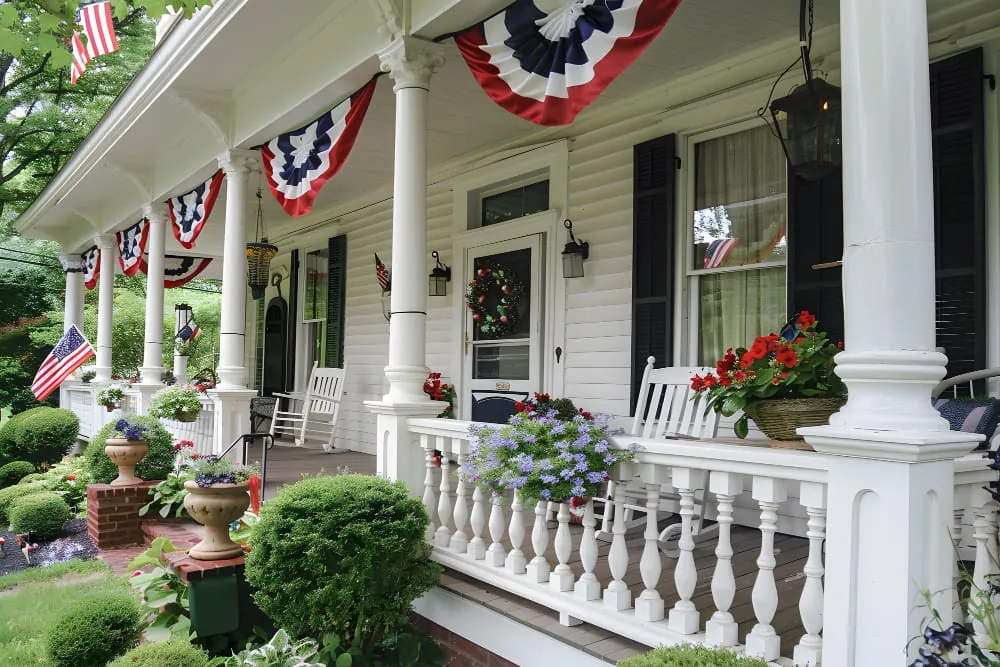
Home is supposed to be the place where we feel the most secure, but for those living in residences built before the late 1980s, hidden construction materials may require a proactive approach to maintenance. Understanding the history of your property is a vital part of protecting your family from long-term respiratory health issues, especially if you are already managing the emotional weight of a medical journey. By learning to identify potential hazards like different types of asbestos exposure, you can move forward with the confidence that your living environment is a true sanctuary for recovery and peace of mind.
Why Was Asbestos Used in Residential Construction?
For most of the 20th century, asbestos was hailed as a miracle mineral by the construction industry. It was prized for its incredible heat resistance, durability, and natural insulating properties. Because it was inexpensive and widely available, manufacturers incorporated it into thousands of household products. From the insulation tucked away in your attic to the decorative tiles on your kitchen floor, these fibers were woven into the very fabric of the American home. While these materials are generally safe when they are in good condition and left undisturbed, they can become a concern if they are damaged during a renovation, a natural disaster, or if they begin to naturally deteriorate due to the passage of time.
Check your eligibility for financial aid that can help your family cover the costs of professional home inspections, safety modifications, and air quality testing.
The Historical Context of Building Materials
Between 1930 and 1970, the use of mineral based insulation and fireproofing was at its peak. During this era, safety regulations were vastly different than they are today. Builders relied on these materials to make homes more energy efficient and fire resistant. For the Veteran who may have built their own home or performed their own repairs for decades, these materials were simply the standard of the time. However, as these homes age, the bonding agents that hold the fibers together can break down, turning once solid materials into a fine dust that is easily inhaled.
Common Locations for Hazardous Materials in Older Homes
If your home was built before 1980, it is helpful to know which specific areas might contain legacy building materials. Identifying these locations is the first step in maintaining a mesothelioma home safety plan. Because these fibers are often hidden behind walls or under layers of flooring, a room by room audit is recommended. Areas to monitor include:
- Vinyl Floor Tiles and Adhesives: Many 9×9 inch floor tiles and the dark “cutback” adhesives used to secure them contained high concentrations of mineral fibers. These are often found in basements and laundry rooms.
- Attic and Wall Insulation: Vermiculite insulation, which often has a shiny, pebble like appearance, may contain naturally occurring contaminants. It was often poured into wall cavities and attic floors.
- Roofing and Siding: Exterior shingles and siding panels were often reinforced with minerals to provide fire resistance and weatherproofing against the elements.
- Pipe and Boiler Insulation: Older steam heating systems frequently used white, chalky wrapping on pipes and boilers that can become “friable” or crumbly as it dries out.
- Textured Paints and Ceiling Coatings: The popular “popcorn ceiling” texture used for acoustic dampening and fireproofing often included these fibers until the late 1970s.
- Drywall Joint Compound: Even the “mud” used to smooth the seams between drywall sheets frequently contained these materials for added strength.
How to Safely Identify Potential Risks
The most important rule when it comes to home safety is that you cannot identify these fibers simply by looking at them with the naked eye. They are microscopic and often mixed with other substances like cement, plaster, or plastic. The goal for a homeowner is not to become a lab technician, but to become a vigilant observer of the physical condition of their home. If a material is “friable,” meaning it can be crumbled or reduced to powder by hand pressure, the risk of fibers becoming airborne increases significantly.
Visual Inspections and Monitoring Deterioration
Take a slow, methodical walk through your basement, attic, and garage. Look for signs of water damage, crumbling drywall, or fraying insulation on older pipes. If you notice that a popcorn ceiling is beginning to flake or that floor tiles are cracked and lifting, it is time to seek professional advice. Avoiding a “do it yourself” approach to testing or removal is critical. Disturbing these materials without the proper containment equipment can lead to accidental exposure for everyone in the household, including pets.
When to Call a Professional Inspector
If you are planning a renovation, such as knocking down a wall, replacing an old floor, or updating a HVAC system, you should hire a certified inspector first. These professionals use specialized tools to take samples safely and send them to a lab for analysis. They can provide you with a detailed report on the status of your home, allowing you to move forward with your home improvement projects without unnecessary worry. Professional testing is the only way to confirm the presence of these fibers and ensure that your family remains protected during construction.
“If you think there may be asbestos in your home, don’t panic. Generally, material in good condition will not release asbestos fibers. There is no danger unless fibers are released and inhaled into the lungs. The best thing to do with asbestos material in good condition is to leave it alone.”
— Environmental Protection Agency (EPA)
Protecting Your Family During Home Renovations
Renovations are the most common time for legacy materials to be disturbed. Even a simple project like drilling into a wall to hang a picture or scraping off old wallpaper can release dust if the underlying materials contain older mineral fibers. Creating an environmental safety plan for your home ensures that your “fixer upper” projects do not turn into health hazards. For the Caregiver, this means ensuring that any workspace is properly sealed off from the rest of the living area.
The Importance of Proper Abatement
If testing reveals that your home does contain hazardous materials that need to be removed, this process is called abatement. Certified abatement contractors follow strict federal and state regulations to seal off the work area with plastic sheeting, use negative air pressure, and utilize HEPA filtration to clean the air. They also wear specialized respiratory protection and dispose of the materials in specialized landfills. While this can add an extra step to your renovation timeline, it is the only way to ensure the long term safety of your family.
Managing Air Quality at Home

In addition to professional abatement, many families choose to use high quality air filtration systems to maintain a clean environment. A HEPA (High Efficiency Particulate Air) filter can capture tiny particles that standard vacuum cleaners or low grade air filters might miss. This is an excellent way to maintain a clean environment, especially in older homes that may naturally have more dust accumulation.
Living Comfortably in an Older Home
Having legacy materials in your home does not mean you have to move or live in fear. In many cases, the safest course of action is “encapsulation” rather than removal. This involves sealing the material so that fibers cannot escape. For example, laying new flooring directly over old vinyl tiles or painting over older drywall with specialized “bridging” encapsulants can be effective ways to manage the risk without the cost and disruption of full removal. This approach keeps the material stable and prevents it from becoming airborne.
Practical Steps for Daily Safety
For daily living, maintaining a “low disturbance” environment is key. Consider these practical tips for your home safety routine:
- Avoid Sanding or Scraping: Never sand, scrape, or saw flooring or ceilings that you suspect might be older than 1980. This is the fastest way to release fibers.
- Use Wet Cleaning Methods: When dusting in older basements or attics, use a damp cloth rather than a dry duster. The moisture traps the dust and prevents it from floating into the air.
- Check Pipes Regularly: Ensure that the protective coatings on basement pipes remain intact. If you see white dust or “chalking” on the floor beneath a pipe, it needs professional attention.
- Limit Activity in Unfinished Spaces: If your attic contains vermiculite, avoid using it for storage or letting children play in the area.
- Stay Informed: Keep a record of the materials used in your home and any testing that has been performed for future reference. This is helpful for future owners as well.
If you or a loved one are concerned about past exposure during a home renovation, it is helpful to understand the MesoCare resources available to you. We provide guidance on navigating the healthcare system and finding specialists who understand the complexities of respiratory health. Knowing the American Lung Association’s stance on indoor air quality can also help you advocate for a healthier living environment for your children and grandchildren, ensuring your home remains a sanctuary.
A Resource for Families and Homeowners
Navigating home safety can feel overwhelming, especially when you are balancing the needs of a family and a medical schedule. Remember that you are the advocate for your household, and taking small, informed steps today can prevent large problems tomorrow. Whether you are a veteran looking at your “earned benefits” to help with home modifications or a caregiver trying to make a recovery space safe, there are resources designed to support you. You do not have to handle these environmental concerns alone; there are professionals and advocates ready to help you navigate every step.
Support for Veterans and Industrial Workers
Many homeowners who worked in trades like plumbing, electrical work, or construction may have been exposed to these materials both on the job and at home. If you are a veteran, you may be eligible for specific housing grants or medical support through the VA. These programs are designed to assist those who served our country in maintaining a safe and healthy residence during their retirement years. Accessing these benefits can provide the financial relief needed to address home safety issues without straining your personal savings.
Empowering the Caregiver
For the caregiver, the goal is often regaining a sense of control over the environment. By learning these safety protocols, you gain that control. You can ensure that the “Recovery Zone” you create for your loved one is free from dust and environmental irritants, allowing them to focus entirely on their health and strength. By choosing to be proactive rather than reactive, you are providing the best possible support system for your family. For more tips on creating a supportive atmosphere, explore our guides on home care, nutrition, and patient advocacy.
Medical Disclaimer: MesoCare.org provides educational information and is not a medical provider. We are not doctors. This content is not intended to be a substitute for professional medical advice, diagnosis, or treatment. Always seek the advice of your physician with any questions regarding a medical condition. Treatments mentioned are options that may help and should be discussed with a specialist.
Legal Disclaimer: MesoCare.org is a resource center and advocacy group, not a law firm. We do not provide legal advice or guarantee specific financial outcomes. No attorney-client relationship is formed by using this site or contacting an advocate. Potential compensation or grant amounts are estimates and vary by individual case.