
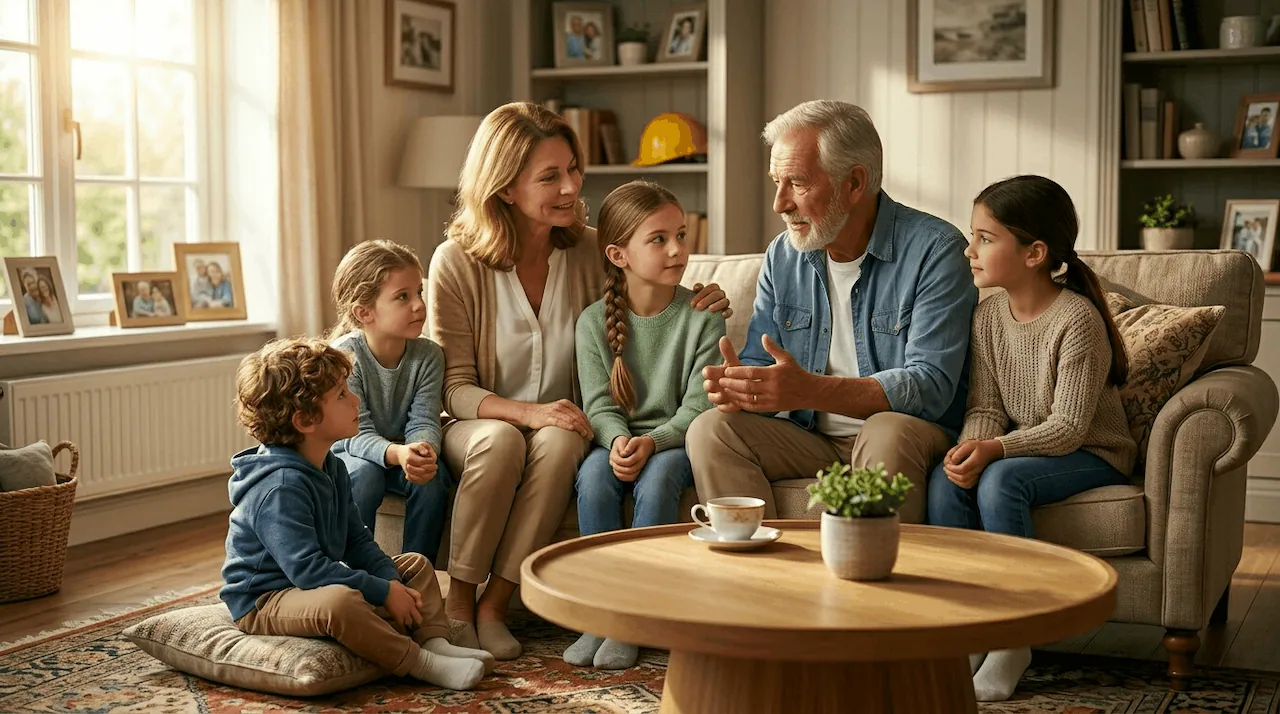
Grandparents often serve as the steady anchor for their families, providing a sense of security that younger generations rely upon during life’s most difficult chapters. Choosing to lead a conversation about your health journey allows you to maintain that leadership role, ensuring your grandchildren feel informed rather than confused by the whispers of others. By approaching this dialogue with the same tactical precision you have applied to every other challenge, you provide your family with a unique kind of protection: the gift of truth tempered with hope. This transparency ensures that your legacy is defined not by a diagnosis, but by the courage and clarity you show those who look up to you most.
Effective Strategies for Explaining Cancer to Grandchildren Without Fear
When you begin the process of explaining mesothelioma to grandchildren, the most effective tool at your disposal is simplicity. Children, especially younger ones, do not need a deep dive into the cellular pathology of the pleura or the complexities of oncology. They need to know how this affects their world. For a grandparent, this means framing the illness as a “big job” that the doctors are working on. You might explain that your body has some “bad cells” caused by dust you breathed in a long time ago, and now you have a team of experts helping you stay as strong as possible. This approach removes the mystery of the mesothelioma symptoms they might notice, such as coughing or fatigue, and replaces it with a structured plan they can visualize.
It is also vital to reassure them that nothing they did, said, or thought caused this illness. Kids often internalize family stress, and a clear statement from the “Captain of the Ship” can alleviate a massive amount of secret guilt. By focusing on family support for mesothelioma early on, you create a culture where questions are welcomed. Even if you do not have all the answers, telling them that “we are a team and we will figure this out together” reinforces the family bond. This transparency is a key part of understanding your mesothelioma diagnosis and how it ripples through your household, ensuring that the bonds of trust remain unbroken even when the physical body is under fire.
Taking the lead in these family discussions ensures your legacy is defined by honesty and courage, and we are here to ensure you have the financial peace of mind to focus on these precious moments with your kin.
Check My Eligibility for Financial Aid
Adjusting Your Message Based on the Child’s Age and Maturity
A toddler and a teenager will process the news of an asbestos illness in vastly different ways. For the youngest family members, the focus should remain entirely on the “here and now.” They need to know if you can still play in the yard or read them a bedtime story. If your energy levels are lower, explain that “Grandpa’s battery needs a bit more charging time right now.” This keeps the explanation within their realm of experience. For school aged children, they may have heard the word “cancer” and associated it with scary movies or news reports. It is helpful to be more specific with them, explaining that there are many types of cancer and yours has a special name called mesothelioma.
Teenagers often crave more direct information and may even conduct their own research online. With them, you can be more candid about the mesothelioma caregiver resources you are utilizing and the steps you are taking for treatment. They may want to help in practical ways, such as assisting with technology or helping around the house. Allowing them to contribute gives them a sense of agency and reduces their own anxiety. No matter the age, the underlying message should be consistent: you are still the same person they love, and your commitment to the family has not changed.
Maintaining Emotional Health for Patients During Family Transitions
For many veterans, the hardest part of a diagnosis is the perceived shift from “provider” to “patient.” However, your emotional health for patients is just as critical as your physical treatment. Suppressing your feelings to “protect” the family can often lead to a sense of isolation that makes the journey harder. By opening up to your grandchildren, you are modeling healthy emotional resilience. You are showing them that a person can be strong and vulnerable at the same time. This lesson is one of the most valuable pieces of wisdom you can pass down, far outweighing any physical task you might temporarily be unable to perform.
Engaging in talking to kids about asbestos illness also provides a unique kind of therapy. Children have a way of bringing us back to the present moment. Their laughter, their questions about their own small worlds, and their simple displays of affection can be a powerful antidote to the clinical atmosphere of doctor appointments. Embracing these moments helps maintain a sense of normalcy. It reminds you that while mesothelioma is a part of your life, it is not the sum total of who you are. You are still a mentor, a storyteller, and a hero in their eyes.
“Children are very sensitive to the moods of the adults around them. If you try to hide the truth, they often imagine something much worse than the reality. Giving them honest, age-appropriate information helps them feel safe and included in the family’s journey.”
Using Family Support for Mesothelioma to Strengthen Bonds
The concept of “family support” is often viewed as something the patient receives, but it is actually a reciprocal relationship. When you share your journey, you are inviting your family to grow alongside you. This might mean starting new traditions that are less physically demanding but equally meaningful, like recordkeeping family histories or playing board games. These activities ensure that the focus remains on the relationship rather than the disease. It also helps grandchildren see that a diagnosis does not mean the end of fun or the end of learning from their elders.
In 2026, we have more tools than ever to help families stay connected during medical treatments. Video calls, shared digital photo albums, and even specialized mesothelioma caregiver resources for families can bridge the gap when you cannot be there in person. These tools allow you to remain an active participant in their lives, cheering them on at their games or helping with their homework from the comfort of your favorite chair. This continued involvement is the best way to prove that your role in the family is secure and that you are not a burden, but a vital, cherished member of the unit.
Addressing Common Questions About Asbestos Illness and the Future
As you navigate talking to kids about asbestos illness, you may encounter tough questions like “Are you going to die?” or “Will I get sick too?” These questions can be gut-wrenching, but they are an opportunity to provide deep reassurance. Regarding your health, it is okay to say, “The doctors are working very hard to help me live as well as I can for as long as I can.” Regarding their own health, you can definitively tell them that mesothelioma is not like a cold or the flu; you cannot “catch” it from someone, and they are perfectly safe. This clear boundary is essential for their peace of mind.
It is also helpful to explain the mesothelioma caregiver resources that are helping the family. Let them know that Grandma or their parents have help too, so they don’t feel like they have to “save” the adults. Organizations like the CancerCare Foundation offer specific support for children and teens who have a loved one with a serious illness. By pointing to a wider network of support, you show them that the family is surrounded by a community of experts and friends, which makes the challenge feel much more manageable.
Preparing for the Changes in Routine and Appearance
Transparency about the physical changes caused by treatment is another way to reduce fear. If you are going to lose your hair or if you need to use oxygen, tell them before it happens. You might say, “I’m going to be using this machine to help me breathe better so I have more energy to talk with you.” When children are prepared for visual changes, they are much less likely to be shocked or saddened when they see them. It becomes just another part of the “job” the doctors are doing. This proactive communication is a hallmark of maintaining emotional health for patients and their families.
Remember that the goal is not to have one “perfect” conversation, but to start an ongoing dialogue. As the situation changes in 2026, keep them updated in small, digestible increments. This prevents them from feeling like the ground is constantly shifting beneath their feet. By being the source of their information, you remain the person they look to for guidance, reinforcing your position as the head of the family. This sense of order and leadership is often what “stoic” patients fear losing most, but ironically, it is best preserved through open and honest communication.
The Legacy of Strength: What Your Grandchildren Will Remember
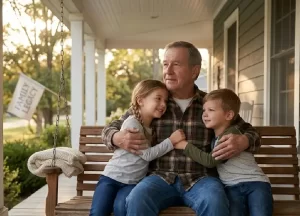
Years from now, your grandchildren will not remember the specifics of a medical report or the names of the medications you took. They will remember how you handled the storm. They will remember that you loved them enough to tell them the truth and that you showed them how to face a difficult path with dignity and grace. This is the true meaning of “protection.” You are protecting their ability to handle life’s challenges by showing them how it is done by someone they admire most.
Your journey with mesothelioma is a chapter in your life, but it is not the whole story. By using family support for mesothelioma as a tool for connection, you ensure that the story remains focused on love, resilience, and the enduring strength of the family bond. You have spent a lifetime building a legacy; this conversation is simply another way to ensure that legacy is one of courage and clarity. If you need help navigating the logistics of your care so you can focus on these family moments, remember that MesoCare is here to help you every step of the way.
Medical Disclaimer: MesoCare.org provides educational information and is not a medical provider. We are not doctors. This content is not intended to be a substitute for professional medical advice, diagnosis, or treatment. Always seek the advice of your physician with any questions regarding a medical condition. Treatments mentioned are options that may help and should be discussed with a specialist.
Legal Disclaimer: MesoCare.org is a resource center and advocacy group, not a law firm. We do not provide legal advice or guarantee specific financial outcomes. No attorney-client relationship is formed by using this site or contacting an advocate. Potential compensation or grant amounts are estimates and vary by individual case.