

For many families, a career in the trades or the military is a point of immense pride. It represents years of hard work, providing for loved ones, and building the infrastructure of our country. However, many of these essential roles involve hazards that do not reveal their impact for decades. If you or a loved one are now facing health challenges after a lifetime of hard work, the transition from being a provider to being a patient can feel overwhelming.
Navigating the medical system and the financial strain of treatment is a heavy burden to carry alone. This guide is designed to act as your road map, helping you understand how high-risk environments impact long-term health and, more importantly, how you can access the support your family deserves without the stress of complex legal jargon or aggressive sales pitches.
To begin exploring your options for financial aid and specialized medical care, you can speak with a Patient Advocate today. Our team is here to help you navigate the paperwork so you can focus on healing.
Defining High-Risk Jobs and Long-Term Hazards
A high-risk job is not always one that involves immediate physical danger. In the context of long-term health, risk often comes from regular exposure to microscopic particles, dust, and chemicals. These hazards are common in industries where heat resistance and durability are priorities.
For much of the 20th century, asbestos was used extensively in everything from floor tiles to engine gaskets. While it provided excellent insulation, the dust created during installation or repair was hazardous when inhaled. Because symptoms of asbestos exposure often take 20 to 50 years to appear, many retired workers are only now discovering the impact of their former job sites.
Which roles are often considered high risk?
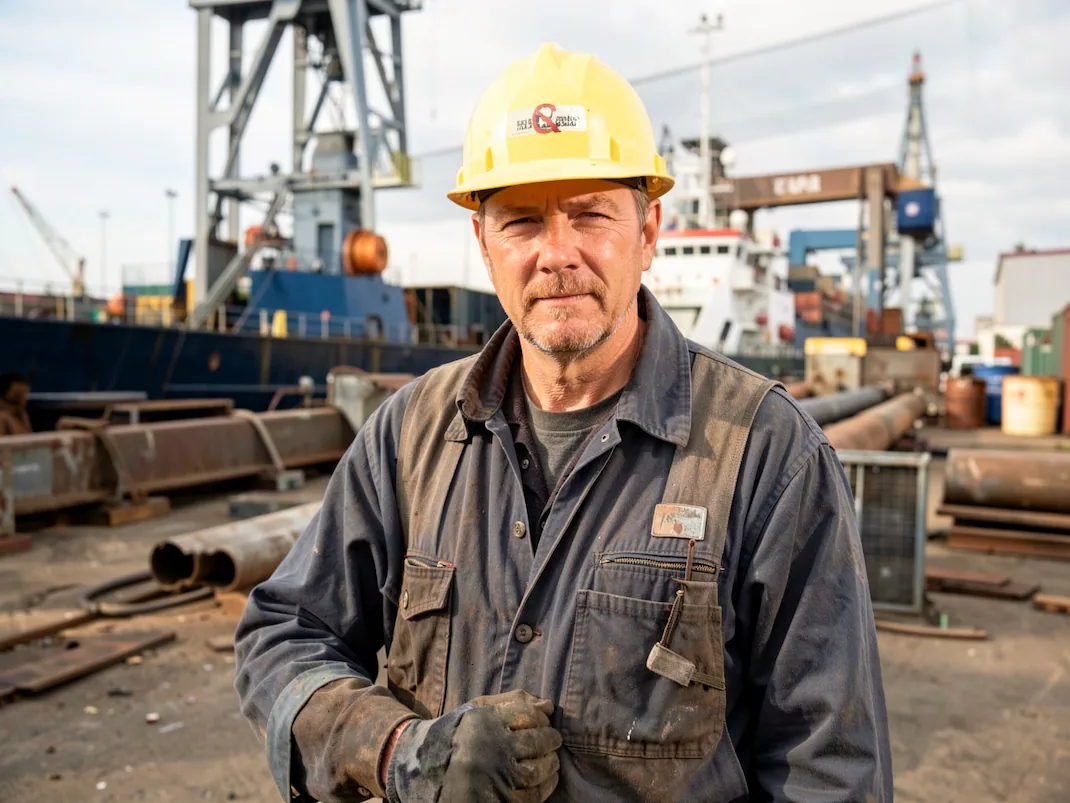
Our approach focuses on identifying these high-risk environments so families can trace their history and find specific grants:
- Construction and Demolition: Workers who handled old insulation, ceiling tiles, or shingles.
- Shipyard and Navy Work: The Navy used asbestos extensively in ship boilers, engine rooms, and mess halls.
- Industrial and Power Plants: Maintenance crews who managed high-heat pipes and turbines.
- Auto and Equipment Repair: Mechanics who worked on older brake systems, clutches, and gaskets.
Common Risks in High-Risk Occupations
Understanding the specific hazards of your industry is the first step in getting the right medical help. Doctors need to know your occupational history to provide an accurate diagnosis, as many asbestos-related conditions are initially mistaken for common respiratory issues like pneumonia.
“Asbestos fibers are microscopic. Because these fibers are so small and light, they can remain airborne for many hours. If they are disturbed, they can be inhaled and settle deep in the lungs.” — The American Cancer Society
Physical and Environmental Risks
While physical injuries like back strain or hearing loss are common, the environmental risks are often the most life-altering. In environments like shipyards and power plants, workers were often in cramped, poorly ventilated spaces. When a pipe was cut or a boiler was serviced, the air became thick with dust.
Families affected by asbestos deserve support because, in many cases, these exposures were preventable. Today, compensation is available as an earned benefit for those who were put in harm’s way during their years of service or employment.
Safety Practices for Workers and Families
If you or a family member are still active in a high-risk trade, or if you are helping a loved one manage their home environment after a diagnosis, safety practices are vital. Modern safety standards are much higher than they were in the past, but the legacy of old materials remains.
Protective Habits at Work and Home
- Respiratory Protection: Standard paper masks do not protect against microscopic mineral fibers. Only N95 or HEPA-filtered respirators are effective.
- The “Take-Home” Risk: One of the most critical aspects of high-risk work is secondary exposure. Dust on a worker’s coveralls can be transferred to a spouse during laundry or to a child during a hug. If you work in a dusty trade, always change clothes and shower before heading home.
- Wet Methods: If you are performing home renovations on an older house, never dry-sand or sweep. Misting materials with water keeps dust heavy and on the ground.
If you are worried about past exposure, it is wise to check your eligibility before the 2026 deadlines to ensure you are covered by existing trust funds. For a deeper look at which materials to watch out for, the CDC’s guide on workplace safety offers a comprehensive list of hazards.
The Role of Support Systems and Advocacy

When a diagnosis hits, caregivers often take on the role of a full-time manager. You are tracking pharmacy refills, driving to oncology appointments, and worrying about the mortgage. Our goal is to lighten that load by providing a clear path toward financial stability.
Accessing Financial Grants
Many people are hesitant to “file a claim,” feeling it is a negative process. However, billions of dollars have been set aside in Asbestos Trust Funds specifically for this purpose. These funds were established by companies to ensure that future victims would have a way to pay for their care. Accessing these grants is a practical way to ensure your family is taken care of.
Medical Navigation
Seeking a second opinion is a necessity. High-risk occupational diseases require specialists who understand the nuances of these conditions. We can help you find top cancer centers that offer the latest clinical trials and symptom management techniques.
Frequently Asked Questions
What if the company I worked for no longer exists?
This is a common concern for retired workers. Even if a shipyard or factory closed years ago, the trust funds created during their restructuring are still active. You do not need the company to be currently in business to receive aid.
Does the VA provide support for high-risk work?
Yes. If your exposure happened during military service, you may be eligible for VA benefits and healthcare. Navigating the VA can be complex, but our advocates can help you organize your service records to make the process smoother.
How do I talk to my doctor about my work history?
Be specific. Instead of saying “I worked in construction,” say “I spent ten years installing pipe insulation in high-rise buildings.” This level of detail helps the doctor look for the right markers in your imaging and tests.
Moving Forward with Hope
A diagnosis is a chapter in your story, not the end of it. With the right medical team and financial support, many patients find they can manage their symptoms and maintain a high quality of life.
At MesoCare, we believe in practical, empathetic support. We are not here to push you into litigation; we are here to help you find a roadmap through a difficult time. Whether you need help finding a specialist or just need to know what grants are available for your specific trade, we are here to listen – Contact us at 1-800-877-6000.
Medical Disclaimer: MesoCare.org provides educational information and is not a medical provider. We are not doctors. This content is not intended to be a substitute for professional medical advice, diagnosis, or treatment. Always seek the advice of your physician with any questions regarding a medical condition. Treatments mentioned are options that may help and should be discussed with a specialist.
Legal Disclaimer: MesoCare.org is a resource center and advocacy group, not a law firm. We do not provide legal advice or guarantee specific financial outcomes. No attorney-client relationship is formed by using this site or contacting an advocate. Potential compensation or grant amounts are estimates and vary by individual case.