
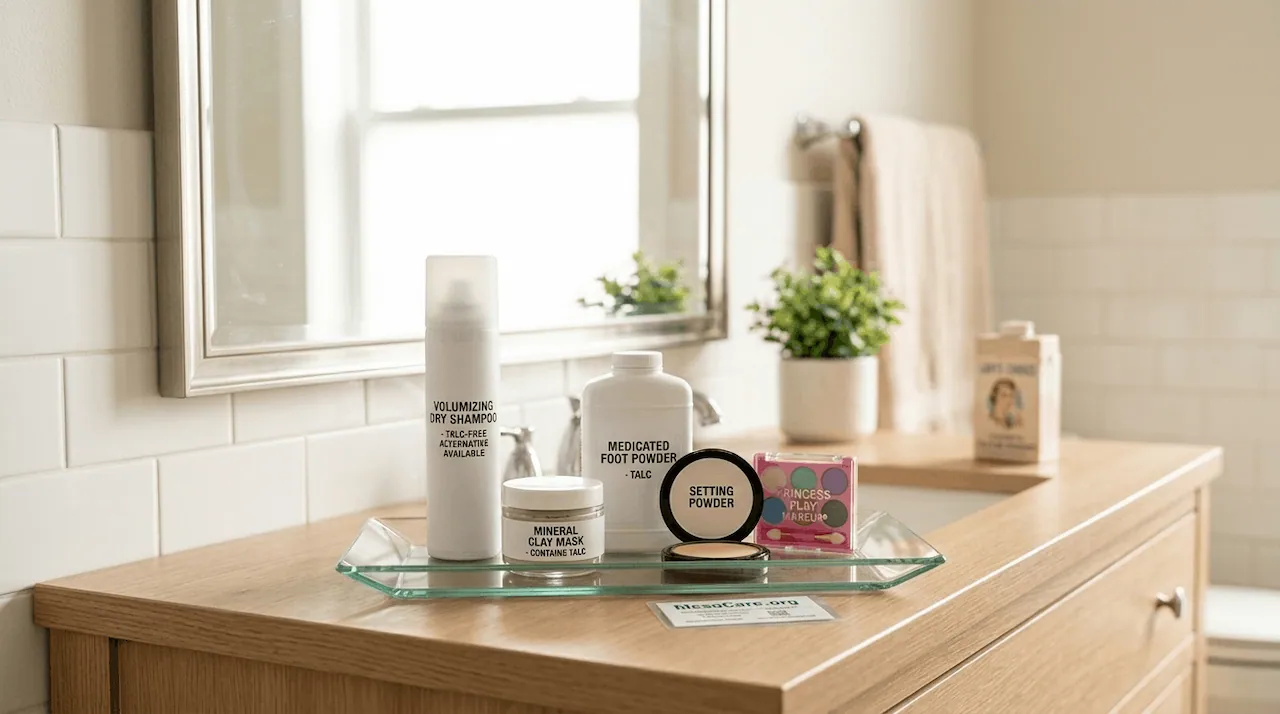
For many years, the public conversation regarding asbestos safety was focused almost exclusively on baby powder. While that remains a significant concern, the reality of household asbestos exposure is often much more subtle. As we move through 2026, scientific testing continues to reveal that talcum powder is a hidden ingredient in a wide array of everyday consumer goods. For families concerned about long term health, understanding where these minerals hide is the first step toward safety.
Discovering that common products in your bathroom or your child’s playroom could contain harmful fibers is understandably alarming. If you are worried about past contact, identifying sources of asbestos in the home is a critical part of protecting your family. At MesoCare, we provide the clarity you need to navigate these “invisible” risks with practical advice and empathetic support. By looking beyond the obvious, we can better understand the modern landscape of environmental health and take proactive steps to ensure a safer living environment.
The Hidden Reality of Talcum Powder in Modern Products
Talc is prized in the manufacturing world for its ability to absorb moisture, prevent caking, and provide a silky texture to products. Because it is a naturally occurring mineral, it is often found in the same geological deposits as asbestos. When mining companies do not use the most rigorous testing standards, these two minerals can end up in the same bottle. This contamination is what leads to the development of asbestos related diseases decades after the initial exposure. It is a geological coincidence with tragic human consequences.
For the “Anxious Caregiver,” the challenge is that talc is rarely the “headline” ingredient. It is often tucked away in the fine print of beauty products, household cleaners, and even children’s toys. Understanding these pathways is essential for early detection and prevention. If you have used these products heavily and are experiencing respiratory changes, speaking with a patient navigator can help you organize your medical history and find specialized testing. Early awareness often makes the difference in the range of treatment options available to a patient.
Worried about hidden asbestos in your household products? You may be eligible for a free health screening and financial guidance.
1. Dry Shampoos and Aerosol Body Sprays
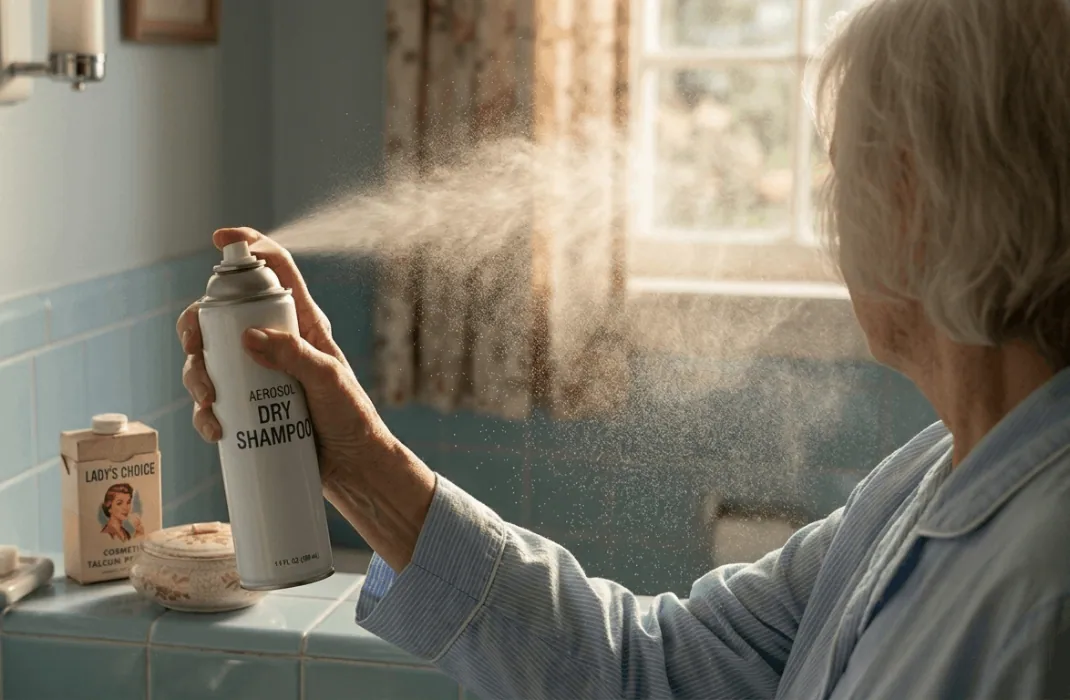
One of the most significant shifts in the beauty industry over the last decade has been the rise of dry shampoo. These products rely on absorbent powders to soak up oils between washes. While many modern brands have switched to cornstarch, some still utilize talc to achieve that signature “light as air” feeling. Because these products are delivered via aerosol, the risk of inhalation is significantly higher than with traditional powders. The spray creates a fine mist that hangs in the air, making it nearly impossible to avoid breathing in the particles.
When you spray an aerosol product in a small, enclosed bathroom, you create a concentrated cloud of particles. If that talc is contaminated with asbestos, those microscopic fibers are pulled deep into the lungs. This type of repetitive, daily exposure is exactly how many women with no industrial background end up with a mesothelioma diagnosis. If you are concerned about your respiratory health after years of using these products, consulting with mesothelioma medical experts can provide the specialized imaging needed to check for pleural changes. These specialists are trained to see what a standard family doctor might miss.
2. Clay-Based Face Masks and Pressed Powders
The skincare industry frequently uses talc in clay-based masks to improve the “slip” of the product on the skin. Similarly, pressed powders, blushes, and eye shadows often use talc as a base filler. While the risk from a solid pressed powder is lower than a loose one, the dust created when you swirl a brush into the compact can still be inhaled. Over forty years of a daily makeup routine, the cumulative exposure can become significant. It is the “low dose, high frequency” nature of this exposure that causes concern for long term cellular health.
Many “clean beauty” brands have started to phase out talc entirely, but older or budget-friendly formulations often still contain it. It is important to check labels for terms like “magnesium silicate,” which is the chemical name for talc. Being proactive about the products you put on your face is a powerful form of self-advocacy. For those who have already developed symptoms, finding financial assistance for cancer patients can help offset the costs of modern immunotherapy treatments that target these specific types of environmental cancers. These grants are designed to ensure that quality care is a right, not a luxury.
“The FDA has continued its testing of talc-containing cosmetic products for the presence of asbestos. Because talc and asbestos are naturally occurring minerals that may be found in close proximity to each other in the earth, there is the potential for contamination of talc with asbestos.”
3. Medicated Foot Powders and Body Rubs
While baby powder gets the most attention, medicated foot powders are another common source of household talc. These products are often used in high volumes to prevent chafing or treat fungal issues. Because they are often applied in bedrooms or locker rooms with poor ventilation, the dust remains suspended in the air long after the application is finished. This creates a risk for everyone in the household, not just the person using the product. The concentration of dust in these confined spaces can be surprisingly high.
We often see cases where a spouse or child develops an asbestos related disease due to this “secondary” or environmental exposure. Understanding that the safety of your home is a collective effort is vital. If you are managing a diagnosis and need help with the logistics of care, specialized cancer support services can offer a community of people who understand the unique frustration of being exposed in your own home. Shared experiences can provide the emotional strength needed to navigate the complexities of a long term treatment plan.
4. Children’s “Play Makeup” and Toy Kits
Perhaps the most concerning source of hidden talc is in children’s toy makeup kits. These products are often manufactured overseas with less stringent oversight than adult cosmetics. Lab testing by advocacy groups has repeatedly found asbestos in the cheap, talc-based powders found in “princess” kits and glitter sets. Because children have smaller lungs and higher respiratory rates, they are particularly vulnerable to these fibers. Their bodies are still developing, making the potential for cellular damage even more concerning over a lifetime.
As a parent or grandparent, discovering this can lead to intense guilt. It is important to remember that you acted with the information you had at the time. No one intentionally puts their children at risk. The focus now should be on education and choosing talc-free alternatives like those recommended by the Environmental Working Group’s Skin Deep database. Protecting the next generation from the mistakes of the past is a core mission of our advocacy work and a key reason we push for stricter consumer safety laws.
5. Industrial Strength Cleaners and Polishing Compounds
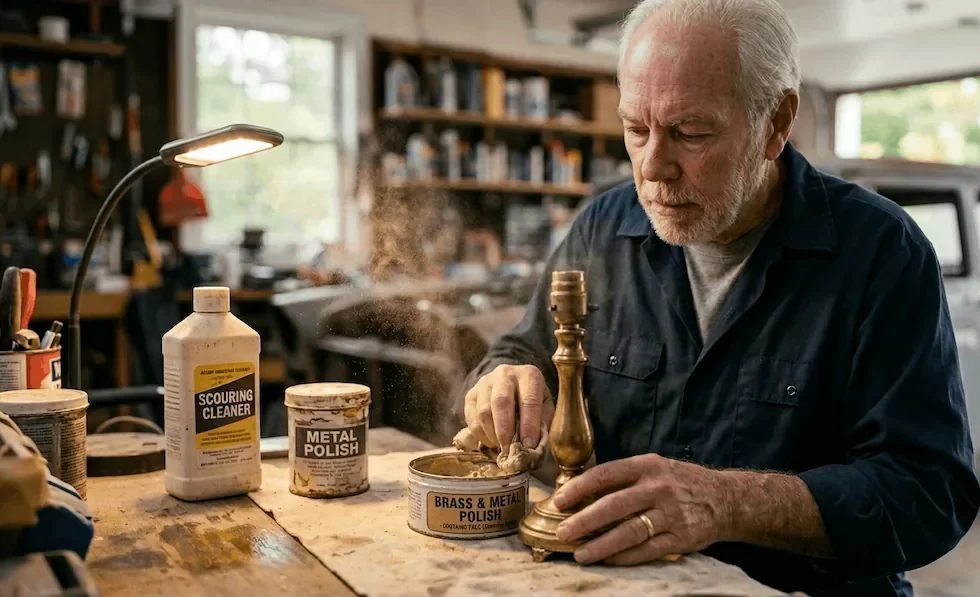
Talc is also found in several non-cosmetic household items. Some abrasive cleaners and metal polishing compounds use talc as a mild scouring agent. While these are not products you apply to your body, using them in a kitchen or garage can still result in the inhalation of dust. If you have spent years doing home renovations or hobbyist metalwork, you may have been exposed to more than just sawdust. Many older home repair products did not carry the warning labels we see today.
In 2026, we have more tools than ever to identify these risks. Whether it is through advanced mineralogical testing or more comprehensive patient histories, we are finally “connecting the dots” between everyday chores and long term lung health. If you are a veteran who performed maintenance tasks during your service, you may also want to explore how VA asbestos benefits apply to these non-industrial exposures. Often, veterans were exposed to talc based lubricants or cleaning agents while working in confined spaces aboard ships or in motor pools.
Recognizing the Symptoms of Environmental Asbestos Exposure
Because the amount of asbestos in a single bottle of dry shampoo or foot powder is relatively low, it takes a long time for symptoms to appear. The latency period for mesothelioma is typically between 20 and 50 years. This means that if you are feeling breathless or have a persistent dry cough today, it could be the result of a “dusting” routine from the 1980s or 90s. The subtlety of these symptoms is why many people wait too long to seek a specialist’s opinion.
Common symptoms to watch for include:
- Chronic shortness of breath that worsens with activity
- A persistent, dry “hacking” cough that doesn’t resolve with cold medicine
- Unexplained weight loss or sudden onset of fatigue
- Pain or swelling in the abdomen, which is often associated with peritoneal mesothelioma
If these symptoms sound familiar, do not wait for them to “go away” on their own. Early detection is the most significant factor in expanding your treatment options, including eligibility for new clinical trials and surgical interventions that can significantly extend life expectancy.
Moving Forward: Advocacy and Financial Security
Finding out that your home may not have been the sanctuary you thought it was is a heavy burden. However, knowledge is power. By identifying these five surprising sources of talc, you can make safer choices for your family today. For those already facing a health challenge, know that there are dedicated resources to help you through the medical and financial hurdles. You do not have to carry this weight by yourself.
Our team at MesoCare is here to help you document your exposure history and access the asbestos trust funds that were created specifically for victims of contaminated consumer products. These funds are not a “handout”—they are a form of accountability for manufacturers who failed to protect the public. You deserve the best possible care and the financial peace of mind to focus on your health and your family. We are committed to helping you turn a confusing diagnosis into a clear plan for the future.
To learn more about how we can support your journey from diagnosis to recovery, visit MesoCare or call us at 1-800-877-6000.
Scientific Insight: In a peer-reviewed study analyzing various powder-based cosmetics, researchers utilized electron microscopy to find that nearly 15% of the samples contained detectable asbestos fibers. This research highlights that traditional industry testing methods often miss the microscopic fibers that can lead to long-term respiratory risks.
Source: Environmental Health Insights / Scientific Analytical Institute
Medical Disclaimer: MesoCare.org provides educational information and is not a medical provider. We are not doctors. This content is not intended to be a substitute for professional medical advice, diagnosis, or treatment. Always seek the advice of your physician with any questions regarding a medical condition. Treatments mentioned are options that may help and should be discussed with a specialist.
Legal Disclaimer: MesoCare.org is a resource center and advocacy group, not a law firm. We do not provide legal advice or guarantee specific financial outcomes. No attorney-client relationship is formed by using this site or contacting an advocate. Potential compensation or grant amounts are estimates and vary by individual case.