

Navigating life with mesothelioma often feels like trying to find your way through a dense, unyielding mist where even the simplest tasks require a monumental effort of will. While the physical toll of the disease is well-documented, many patients are blindsided by the “mental static” that makes it hard to find the right word in a conversation or remember where they placed their glasses. These symptoms, commonly known as “chemo brain” and cancer related fatigue, are not a reflection of your mental strength; they are physiological side effects of the aggressive journey your body is currently undertaking.
Understanding how to manage these cognitive shifts is essential for maintaining your quality of life. By implementing practical strategies, you can sharpen your focus and preserve your energy for the things that matter most. If you are currently exploring mesothelioma treatment options, knowing how to mitigate these side effects is a vital part of your care plan. To help you navigate these challenges, understanding your mesothelioma treatment path is the first step in taking back control of your daily life.
What Exactly is Chemo Brain and Why Does It Happen?
The term “chemo brain” describes the cognitive impairment that many cancer patients experience during and after treatment. It is characterized by mental “fog,” memory lapses, and difficulty multi tasking. While the exact cause is still being studied, it is generally believed to be a combination of the body’s reaction to powerful medications, the stress of a diagnosis, and the physical toll of fighting a rare disease like mesothelioma.
For mesothelioma patients, these cognitive changes can be particularly taxing. You may be managing complex schedules involving surgery, radiation, or chemotherapy. When your brain feels foggy, keeping track of these details becomes an additional source of anxiety. It is important to realize that this is a physiological response, not a permanent loss of ability. With the right tools and a patient advocate by your side, you can find ways to clear the fog.
Struggling with treatment side effects? Our team can help you find specialized support and financial aid.
Practical Brain Games to Sharpen Mental Focus
Just as physical therapy helps rebuild muscles after surgery, cognitive exercises can help retrain your brain to stay sharp. You do not need expensive software to do this; many effective brain games are accessible right from your living room. The goal is to engage your brain in new and challenging ways to encourage “neuroplasticity,” which is the brain’s ability to form new neural connections.
Low Stress Cognitive Exercises

- Word Puzzles and Sudoku: These classic games are excellent for improving problem solving skills and memory. Try to spend fifteen minutes a day on a crossword puzzle to keep your vocabulary active.
- Memory Matching: Use a simple deck of cards to play a game of “memory.” This strengthens your short term recall and visual focus.
- Learning a Simple New Skill: Whether it is a few words of a new language or a basic craft, the act of learning something new forces the brain to stay engaged.
It is important to keep these activities fun and low pressure. If a puzzle becomes frustrating, set it aside. The objective is gentle stimulation, not added stress. Combining these games with a healthy nutrition for mesothelioma plan can further support your cognitive health by providing the brain with the fuel it needs to function at its best.
Scheduling Hacks to Manage Daily Mental Energy
One of the most effective ways to combat chemo brain is to rely on systems rather than your memory. By using “scheduling hacks,” you can offload the mental burden of remembering appointments and tasks onto external tools. This reduces cognitive load and prevents the “brain drain” that leads to afternoon crashes.
Digital and Physical Organization Tips
Use a “master planner” to keep all your medical and personal information in one place. Digital calendars with loud alerts can be a lifesaver for remembering when to take medications. Many families find that a shared digital calendar allows a mesothelioma caregiver to help manage the schedule without the patient having to explain every detail repeatedly.
Additionally, try to tackle your most difficult tasks during your “peak” energy hours. For many people, this is early in the morning. Save low energy tasks, like watching a movie or light reading, for the afternoon when fatigue typically sets in. This proactive approach to managing your daily routine ensures that you are using your limited energy effectively.
“Cognitive impairment related to cancer treatment can affect up to 75% of patients during treatment and 35% after treatment. Implementing compensatory strategies, such as using organizers and breaking tasks into smaller steps, can significantly improve daily functioning.”
Source: American Cancer Society
Managing “Chemo Brain” in the Workplace
For many patients, maintaining a career or returning to work after surgery is an important part of their identity and financial stability. However, the professional environment can be particularly challenging when you are dealing with a “foggy” mind. It is important to know that you have options and protections under the law as you navigate this transition.
Open communication with your employer is often the best first step. You may not need to disclose every detail of your mesothelioma diagnosis, but requesting “reasonable accommodations” can make a significant difference. This might include a quieter workspace to help you focus, the ability to record meetings so you can play them back later, or a more flexible schedule that allows for rest periods. Using a digital recorder or a specialized note taking app can help ensure that no professional details slip through the cracks while your brain is in its recovery phase.
If you find that your cognitive speed is not what it used to be, try breaking large projects into very small, manageable chunks. Completing a series of small tasks can provide a sense of accomplishment and keep you motivated without causing a total energy collapse. If the stress of workplace performance is adding to your fatigue, speaking with a mesothelioma legal advocate can help you understand your rights regarding medical leave and workplace discrimination.
Gentle Exercises to Fight Cancer Related Fatigue
It may seem counterintuitive, but one of the best ways to fight fatigue is through movement. While you should never push yourself to the point of pain, gentle physical activity has been shown to improve sleep quality and boost mental clarity. Movement increases blood flow to the brain and releases endorphins that improve your mood.
Movement for Cognitive Clarity
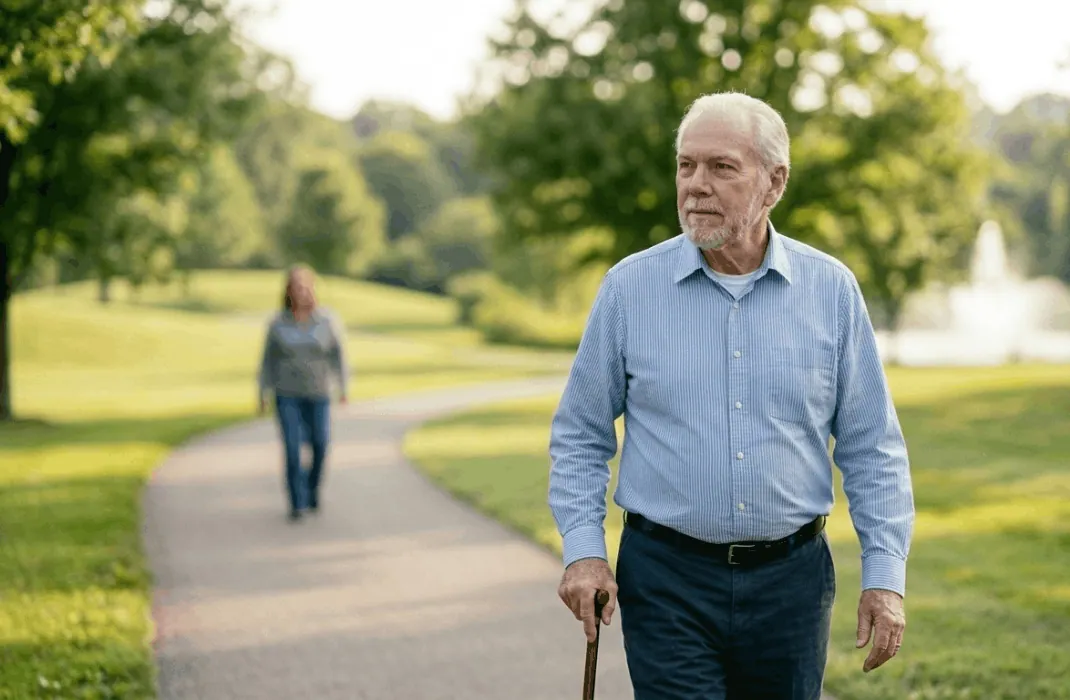
Walking is one of the most beneficial exercises for mesothelioma patients. A short, ten minute walk in the fresh air can do wonders for mental fog. Gentle stretching or “chair yoga” can also help maintain flexibility and reduce the physical tension that contributes to fatigue. Before starting any new exercise routine, it is vital to discuss your plans with choosing a mesothelioma specialist who understands your specific physical limitations.
Consistency is more important than intensity. Doing a little bit every day creates a rhythm that your body can rely on. If you are traveling for care, look into lodging and travel support that provides access to safe walking paths or fitness centers to help you maintain your routine while away from home.
Nutrition and Hydration: The Brain’s Primary Fuel
Your brain is a high energy organ. When you are undergoing treatment, your body’s nutritional needs increase significantly. Dehydration is a leading cause of mental confusion and lethargy. Even mild dehydration can make chemo brain symptoms feel much worse. Aim to drink water consistently throughout the day, even if you do not feel thirsty.
Focus on foods that are rich in omega 3 fatty acids, such as walnuts and flaxseeds, which are known to support brain health. Antioxidant rich fruits like blueberries can also help protect brain cells from the oxidative stress caused by treatment. For more specific dietary advice, you can consult Mayo Clinic’s guide to chemotherapy side effects and nutrition management.
The Importance of Restorative Sleep
Fatigue is not just about being tired; it is an all encompassing lack of energy. This is often worsened by “insomnia,” a common side effect of cancer medications and stress. Creating a “sleep sanctuary” can help you get the restorative rest your brain needs to repair itself. Keep your bedroom cool, dark, and quiet. Avoid screens for at least an hour before bed, as the blue light can interfere with your body’s natural sleep signals.
If you find that your mind is racing at night, try keeping a “worry journal” by your bed. Write down the things that are bothering you or the tasks you need to do tomorrow. Once they are on paper, your brain may find it easier to let them go for the night. Proper rest is a cornerstone of any mesothelioma recovery plan.
How a Patient Advocate Can Help You Navigate the Fog
You do not have to manage these cognitive challenges alone. A patient advocate acts as your “Nurse Navigator,” helping you organize your thoughts and your care. They can help you prepare questions for your doctor, ensuring that you do not forget important points during a short appointment. They can also assist with the financial aid applications that often feel overwhelming when you are experiencing chemo brain.
At MesoCare, our goal is to provide the roadmap you need so you can focus on healing. We understand that the “administrative” side of cancer is a burden. By letting us help with the logistics, you can preserve your mental energy for your family and your recovery. Whether you need help finding a local support group or understanding your VA benefits, we are here to clear the path forward.
Living with mesothelioma in 2026 means having access to more resources than ever before. From advanced clinical trials to holistic support systems, the future of care is focused on the whole person, not just the disease. Stay hopeful, stay active, and remember that your mind is a powerful tool in your healing journey.
To learn more about how we can support your journey toward health, visit Mesocare or call 1-800-877-6000.
Relevant Statistic: Studies have shown that physical activity during cancer treatment can reduce fatigue levels by approximately 40% to 50%, making it one of the most effective non-pharmacological interventions for cancer-related exhaustion.
Medical Disclaimer: MesoCare.org provides educational information and is not a medical provider. We are not doctors. This content is not intended to be a substitute for professional medical advice, diagnosis, or treatment. Always seek the advice of your physician with any questions regarding a medical condition. Treatments mentioned are options that may help and should be discussed with a specialist.
Legal Disclaimer: MesoCare.org is a resource center and advocacy group, not a law firm. We do not provide legal advice or guarantee specific financial outcomes. No attorney-client relationship is formed by using this site or contacting an advocate. Potential compensation or grant amounts are estimates and vary by individual case.