

There is a specific kind of silence that follows a long battle with mesothelioma. For months, or perhaps years, your life was measured in oncology appointments, oxygen tank levels, and the steady rhythm of caregiving. When that rhythm stops, the silence can feel less like peace and more like a heavy fog. You are no longer just a daughter, a wife, or a son; you are a navigator standing at the edge of a vast, unfamiliar landscape of grief and logistics. This is the starting point of The Bereavement Bridge, a space designed to help your family find their footing, honor a legacy, and cross from the exhaustion of caregiving into a season of supported healing.
At MesoCare, we recognize that finding mesothelioma bereavement support following a loss is rarely a straight line. You may find yourself overwhelmed by the “business of death” while your heart is still trying to process the absence. Whether you are seeking emotional counseling to manage the unique trauma of an asbestos-related diagnosis or looking for a roadmap to access financial aid for final expenses, specialized family support resources are here to ensure you do not have to walk this bridge alone.
Navigating the Emotional Landscape of Asbestos-Related Grief

Losing a loved one to mesothelioma carries an emotional weight that differs from other losses. Because this disease is almost entirely preventable, families often grapple with a complex layer of “justified anger” alongside their sadness. Knowing that a workplace or a military assignment from forty years ago caused today’s pain can make the grieving process feel like a search for justice as much as a search for peace. It is a unique burden that requires a specialized kind of support, especially when you are balancing the need to mourn with the sudden responsibility of settling an estate.
We know you have carried so much on your shoulders as a caregiver, and now, the thought of navigating paperwork can feel like an impossible task. Please know that seeking financial support is not about “suing, but it is about accessing the resources your loved one worked so hard to provide for your family’s future security.
Check Eligibility for Family Financial Aid
The “Nurse Navigator” Transition
Most of our readers are the primary caregivers of the family. You have spent a long time being the strong one, the person who remembers the medication schedule and the one who translates “doctor-speak” for the rest of the family. When the caregiving role ends, many experience a crisis of identity. It is common to feel a sense of “anticipatory grief” where you began mourning the loss long before it occurred, leading to a strange sense of numbness or guilt once the end finally arrives.
It is vital to understand that this caregiver burnout does not vanish just because the physical work has stopped. Healing requires a community that acknowledges the specific trauma of seeing a loved one struggle with respiratory distress and the rapid decline often associated with asbestos-related cancers. Finding a grief counselor who specializes in chronic illness or terminal cancer is a practical way to begin decompressing that weight. Taking these steps is part of honoring the care you provided; you cannot pour from an empty cup, and your own restoration is a vital part of the legacy your loved one would want for you.
“Grief is not a sign of weakness, nor a lack of faith. It is the price of love. Finding a community that acknowledges your loss is a vital step toward healing.”
— American Cancer Society
Practical Logistics: A Compass for the First 30 Days
While your heart needs time to rest, the world often demands immediate action. The logistics of managing an estate and finalizing affairs can feel like an intrusion on your grief. However, handling these tasks with a structured approach can actually provide a sense of purpose and ensure that your family’s future is protected. Most families find that having a written checklist reduces the anxiety of “forgetting something important” during a time of mental fog. It allows you to check off a task and then return to the much more important work of being present with your family.
Prioritizing the Paperwork
The first few weeks involve a heavy administrative load. We recommend creating a dedicated “Legacy Folder” to keep these documents organized. You will need to secure multiple copies of the death certificate, as these are the keys to almost every financial door, from closing bank accounts to claiming life insurance. You will also need to contact the Social Security Administration to report the death and discuss potential survivor benefits for a spouse or dependent children. These benefits are often a critical lifeline for widows who may have lost a portion of a pension or household income due to the diagnosis.
For families of veterans, this process includes an extra layer of support. If your loved one served in the Navy, Army, or any other branch where asbestos exposure was common, you may be eligible for VA Dependency and Indemnity Compensation (DIC). This is a tax-free monetary benefit specifically for survivors of veterans whose death was related to a service-connected disability. Navigating the VA system can be complex, so seeking an advocate to help with the filing can prevent unnecessary delays and ensure you receive every benefit earned through their service.
Securing the Medical and Work History
One of the most important logistical steps is preserving the medical records and the work history of the deceased. In the world of mesothelioma advocacy, these documents tell the story of where the exposure happened and which companies were responsible. Even if you are not ready to think about legal options, having these records in a safe place ensures that your family’s eligibility for asbestos trust fund grants remains intact for the future. You do not need a lawyer to begin gathering these records; simply requesting a copy of the final pathology report and a summary of employment history is a great start toward protecting your family’s rights.
Financial Relief: Understanding Asbestos Trust Funds and Survivor Claims
Many families mistakenly believe that financial assistance is only available while the patient is alive. This is a common misconception that prevents many widows and children from receiving the support they deserve. The companies that manufactured asbestos products were forced by the courts to set aside billions of dollars in Trust Funds specifically to pay for the damages caused by their products. These funds are not a handout; they are a form of accountability and a resource for your family to cover the debts left behind by a diagnosis. They represent a legacy of justice for those who were exposed to toxins without their knowledge.
How Post-Death Compensation Works
A “wrongful death claim” sounds like a harsh, litigious term, but in the context of mesothelioma, it is often a streamlined administrative process. These claims are filed against the trusts, and not against the former employer or the military. The goal is to provide financial aid for grieving families to help with unpaid medical bills, funeral and burial expenses, and the replacement of lost income or pension benefits. It is about general family security and legacy preservation, ensuring that the financial impact of the illness does not extend to the next generation.
Eligibility is determined by the exposure history. If your loved one worked in construction, shipyards, refineries, or even as a brake mechanic, they likely encountered the asbestos that caused their illness. Investigating these potential mesothelioma payouts is a way to ensure that the burden of the diagnosis does not continue to haunt the family finances for years to come. Many families use these funds to establish college savings for grandchildren or to pay off the mortgage on a family home, turning a painful chapter into a foundation for future stability.
Self-Care for the Family: Beyond the Checklist
While the financial and logistical steps are necessary, the ultimate goal of The Bereavement Bridge is emotional restoration. Healing from a mesothelioma loss often involves finding ways to celebrate the person’s life outside of their illness. Many families find peace in Legacy Projects, such as planting a memorial garden, making a donation to cancer research in their name, or writing down the stories of their loved one’s life to pass down to future generations. These projects help shift the focus from the disease back to the person, reminding everyone of the joy and strength they brought into the world.
Connecting with Support Networks
Isolation is a significant enemy of healing. We encourage families to look into national support networks. Organizations like the Hospice Foundation of America offer virtual and in-person resources that focus specifically on the unique grief that follows a terminal illness. Whether it is a support group for widows or a program for adult children, hearing others describe the same feelings you are having can be incredibly therapeutic. You might find that sharing your experience as a caregiver helps someone else who is just starting their journey, creating a cycle of support that benefits everyone involved.
Frequently Asked Questions for Families in Mourning
Is it too late to seek financial help if the funeral has already passed?
No. Most states allow families a statute of limitations window (typically between one and three years after the date of death), to file a claim for asbestos compensation. Even if the diagnosis happened years ago, the clock for a survivor claim usually starts on the day they passed away. However, it is important to check your specific eligibility before the 2026 deadlines pass to ensure your family does not lose access to these resources that were legally set aside for your protection.
Do we have to go to court to get compensation?
In the vast majority of cases involving asbestos trust funds, there is no court date. The process is handled through a claims facility that reviews the medical and work evidence. It is a much softer approach than traditional litigation, designed specifically to prevent further stress on grieving families who have already been through so much. Most families never have to step foot in a courtroom or face an aggressive cross-examination to receive their settlement funds.
What if we do not know exactly where the asbestos exposure happened?
This is where advocacy groups like MesoCare help. We have access to databases of thousands of job sites across the country (from Texas oil refineries to California shipyards), where asbestos was used. We can help you piece together the work history to identify which trusts may be responsible for providing your family with aid. Often, a simple list of past employers or a description of daily job duties is enough to spark a search that reveals multiple avenues for support.
Honoring the Journey
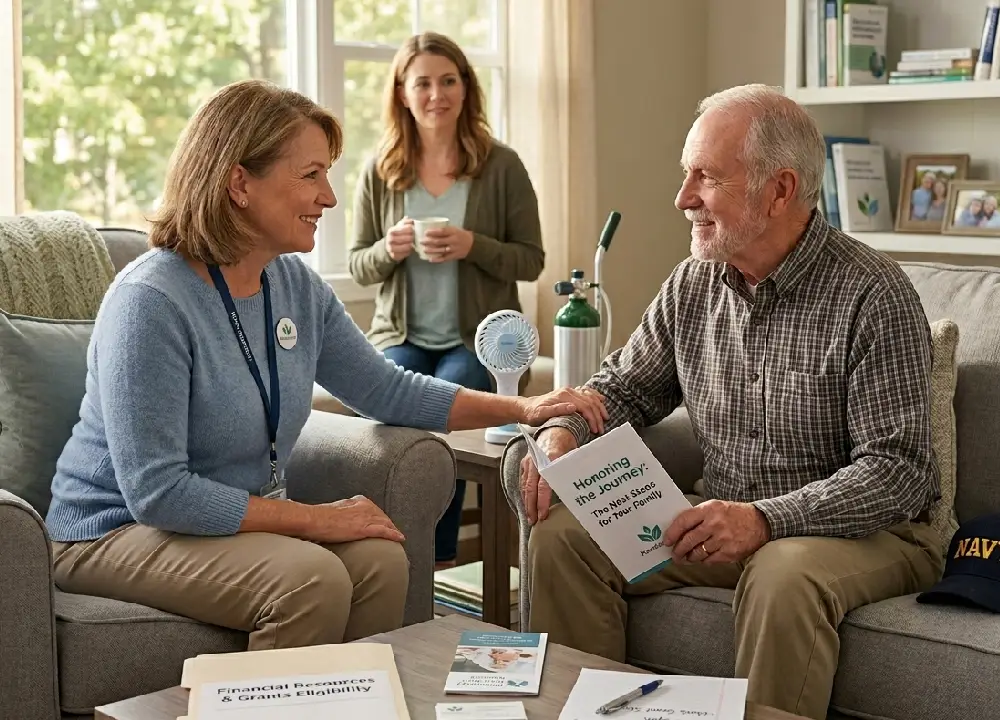
Crossing the bereavement bridge takes time, patience, and a willingness to accept help. Your role as a caregiver was an act of profound love, and taking care of the family’s future is the final chapter of that care. Whether you are looking for emotional guidance, medical bill assistance, or a way to access the funds your loved one earned through their years of hard work, you are not alone in this transition. You have done the hard work of caring; let others help with the work of coordinating the next steps toward stability and peace.
At MesoCare, our mission is to be the calm voice in the storm. We are here to help you navigate the complexities of the post-diagnosis world so you can focus on what matters most: remembering the life that was lived and finding your own way forward. If you need a helping hand to start the process of checking your family’s eligibility for support, please reach out to MesoCare today. Your legacy of care deserves a future of security and a heart that is allowed to heal at its own pace.
Fast Fact: The Scale of Support
Currently, there is more than $30 Billion remaining in US Asbestos Trust Funds specifically allocated to provide financial assistance to patients and their surviving family members. Source: Government Accountability Office (GAO)
Medical Disclaimer: MesoCare.org provides educational information and is not a medical provider. We are not doctors. This content is not intended to be a substitute for professional medical advice, diagnosis, or treatment. Always seek the advice of your physician with any questions regarding a medical condition. Treatments mentioned are options that may help and should be discussed with a specialist.
Legal Disclaimer: MesoCare.org is a resource center and advocacy group, not a law firm. We do not provide legal advice or guarantee specific financial outcomes. No attorney-client relationship is formed by using this site or contacting an advocate. Potential compensation or grant amounts are estimates and vary by individual case.nefit