
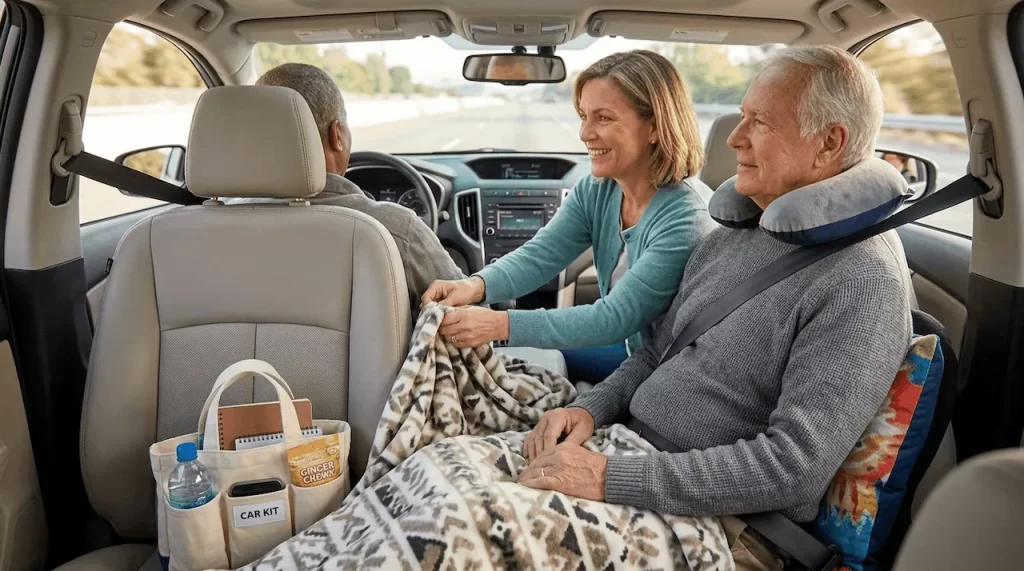
The hum of tires on the pavement often becomes the background noise of a mesothelioma diagnosis, marking the long transition from the comfort of home to the sterile hallways of a cancer center. While most advice focuses on what to pack for a hospital stay, the reality for many families in 2026 is that the car is where the most difficult “in-between” moments happen. As a caregiver, your vehicle is no longer just transportation; it is a mobile command center, a private sanctuary, and sometimes, a makeshift cafeteria.
At MesoCare, we understand that “support” is a verb. It is found in the way you anticipate a loved one’s needs before they even have to ask. By curating a specific “Car Comfort Kit,” you can reduce the physical toll that travel takes on a patient and lower the emotional weight on yourself. Our mesothelioma caregiver support resources are built on these practical, real-world solutions that help you navigate the medical roadmap with confidence.
The Hidden Impact of Travel on Mesothelioma Care
Mesothelioma is a rare and aggressive disease, which frequently means the best specialists are not located just around the corner. It is common for families to drive two or three hours each way for a single consultation or treatment session. This travel fatigue is not just “being tired”, but it is a clinical factor that can impact how a patient responds to chemotherapy or immunotherapy. When a patient is physically exhausted from a rough car ride, their body has fewer resources to fight the disease.
For the caregiver, the goal is to eliminate “friction.” Friction is the small, annoying stuff like a drafty window, a forgotten pill, or a neck ache that builds up into a major meltdown. By preparing your vehicle, you are removing friction and replacing it with a sense of control.
You are not alone. Check your eligibility for financial aid to cover treatments and family expenses.
1. The Temperature Control Kit: Beyond Simple Blankets
Asbestos-related cancers and their treatments often damage the body’s ability to regulate temperature. This is especially true for those undergoing pleural mesothelioma treatments, where the lining of the lungs is affected. Patients may oscillate between “chills” and “hot flashes” within minutes. In 2026, we recommend moving beyond a standard throw blanket to a dual-zone approach.
The Heated/Weighted Combo
Keep a high-quality weighted blanket in the backseat. The gentle pressure of a weighted blanket can trigger the release of serotonin and dopamine, helping a patient stay calm during stressful traffic or when navigating to a new clinic. Pair this with a 12V heated car blanket that plugs into your vehicle. This allows the patient to have localized heat without forcing you, the driver, to turn the car’s heater up to an uncomfortable level. This “micro-climate” control is a game-changer for long-distance medical travel.
2. Ergonomic Support: The Lumbar and Rib Guard
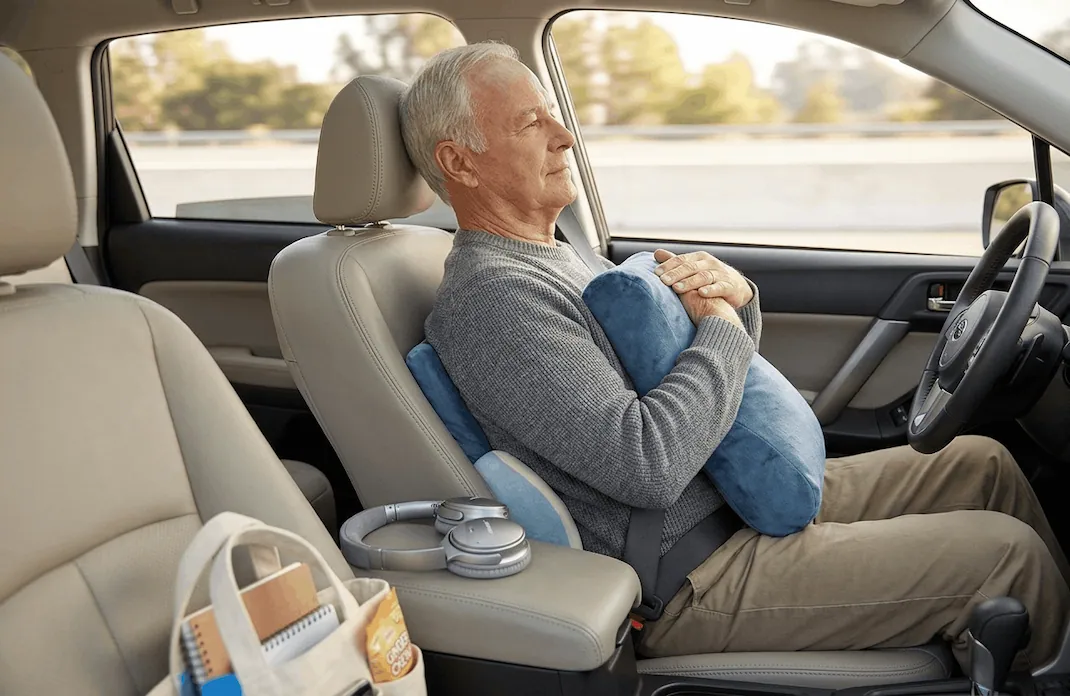
Standard car seats are designed for healthy bodies. For a mesothelioma patient, the seat’s natural curve might put painful pressure on the chest wall or the abdomen. If your loved one has recently had a biopsy or a surgical procedure like a pleurodesis, every bump in the road can feel like a sharp pinch. This is where specialized pillows become essential.
Positioning for Easier Breathing
Keep a small, firm lumbar pillow and a soft “donut” or “C-shaped” neck pillow in the car. But here is the real caregiver hack: keep a small, soft “cough pillow” (a firm, small rectangular pillow) in the passenger side. Patients can hold this against their chest or abdomen when the car goes over bumps or when they need to cough. This “splinting” technique provides physical support to the affected area and significantly reduces pain during transit.
For more on managing these physical side effects, the American Cancer Society offers extensive peer-reviewed guides for symptom management.
“Palliative care is focused on providing relief from the symptoms and stress of the illness. The goal is to improve quality of life for both the patient and the family.” — Center to Advance Palliative Care
3. The Nausea and Sensory Management “Go-Bag”
Nausea is not just a stomach issue; it is a sensory issue. The smell of gasoline, the sight of fast-moving traffic, or even the scent of your car’s air freshener can trigger a vomiting episode for someone on chemotherapy. A well-stocked “Go-Bag” should be kept within arm’s reach of the patient at all times.
Building Your Car Emergency Kit
Forget about searching for a grocery store in an emergency. Your car bag should include medical-grade emesis bags (which are discreet and sealable), ginger lozenges, and alcohol prep pads. A pro-tip from oncology nurses: sniffing an isopropyl alcohol pad can often stop a wave of nausea faster than medication. Additionally, keep a pair of high-quality noise-canceling headphones or simple earplugs. Reducing the sensory “noise” of the road helps the brain focus on staying calm rather than feeling sick.
4. The Backup “Home Office” for Clinical Records
In the whirlwind of appointments, it is easy to leave the “big binder” on the kitchen table. As a caregiver, you should maintain a “Car Copy” of the most essential documents. In 2026, while many records are digital, systems often fail to talk to one another, especially when moving between a private specialist and a VA medical center.
What Stays in the Glove Box?
Keep a simplified folder containing:
- The most recent pathology report (showing cell type: epithelioid, sarcomatoid, or biphasic).
- A printed list of current medications and dosages.
- A “Living Will” or Advance Directive copy.
- A list of all doctors and their direct office lines.
Having this in the car ensures that if you are diverted to an urgent care or a different clinic, you are never starting from zero. This level of organization is how you act as your family’s primary advocate.
5. Hydration and “Safe” Snacks
Chemo brain and fatigue affect caregivers just as much as patients. If you get stuck in a three-hour traffic jam on the way back from a treatment, your energy levels will tank. For the patient, a “safe” snack is something that provides calories without causing a spike in nausea.
The Best Road Snacks for 2026
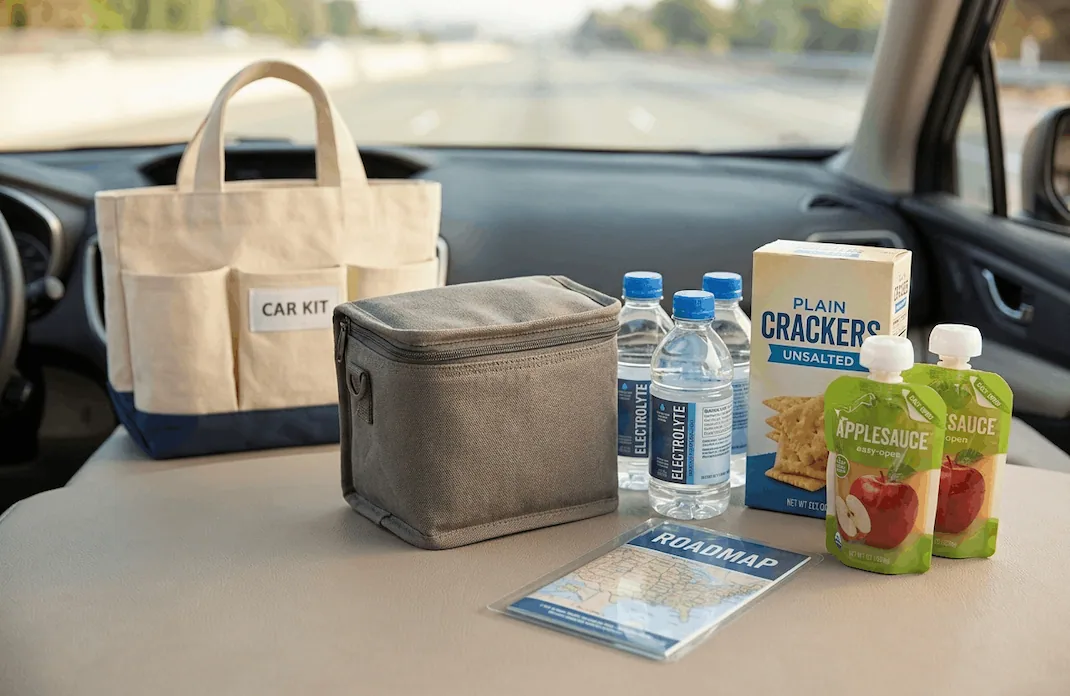
Avoid greasy or sugary foods. Instead, stock the car with protein-rich, easy-to-digest items like electrolyte-infused water, plain crackers, and applesauce pouches. For the “Stoic Veteran” who might refuse a full meal, these small, “earned” snacks are easier to accept. You can find more detailed advice in our mesothelioma nutrition and diet guide, which covers how to handle taste changes during treatment.
The 2026 Financial Roadmap: Why the Car Trip is Just the Beginning
While you are focusing on the comfort of the car ride, it is vital to remember the bigger picture. The costs of gas, tolls, specialized car equipment, and travel to see top-tier specialists add up quickly. This is why understanding your “Roadmap to Compensation” is just as important as your medical roadmap.
The “Clock is Ticking” on your family’s ability to access help. In 2026, legal deadlines also known as statutes of limitations, are strictly enforced. The day your loved one was diagnosed, a timer started. Many families don’t realize that funds are specifically set aside in Asbestos Trust Funds to cover these very “logistical” costs of care. Accessing these grants is not about “suing” anyone; it is about claiming the support that was legally mandated for families just like yours. You don’t have to be a legal expert; you just need to be a proactive advocate for your family’s future.
Conclusion: You Are the Ultimate Comfort Item
No blanket or pillow can replace the presence of a dedicated caregiver. Your car is the vessel that carries your loved one toward hope and healing. By packing these 5 essential items, you are signaling to your loved one and to yourself, that you are prepared for whatever the road throws at you. It is about dignity, comfort, and the strength to keep moving forward.
If you find yourself overwhelmed by the logistics of travel or the mounting costs of care, remember that MesoCare is your partner in this journey. We provide the tools, the checklists, and the advocacy needed to ensure your family is protected.
Fast Fact for 2026: According to data from the National Cancer Institute, travel and lodging expenses account for nearly 20% of the out-of-pocket costs for families seeking specialized mesothelioma care. Fortunately, over $30 Billion remains in Asbestos Trust Funds specifically to help offset these financial burdens for eligible families. Source: National Cancer Institute (NCI)
Medical Disclaimer: MesoCare.org provides educational information and is not a medical provider. We are not doctors. This content is not intended to be a substitute for professional medical advice, diagnosis, or treatment. Always seek the advice of your physician with any questions regarding a medical condition. Treatments mentioned are options that may help and should be discussed with a specialist.
Legal Disclaimer: MesoCare.org is a resource center and advocacy group, not a law firm. We do not provide legal advice or guarantee specific financial outcomes. No attorney-client relationship is formed by using this site or contacting an advocate. Potential compensation or grant amounts are estimates and vary by individual case.