
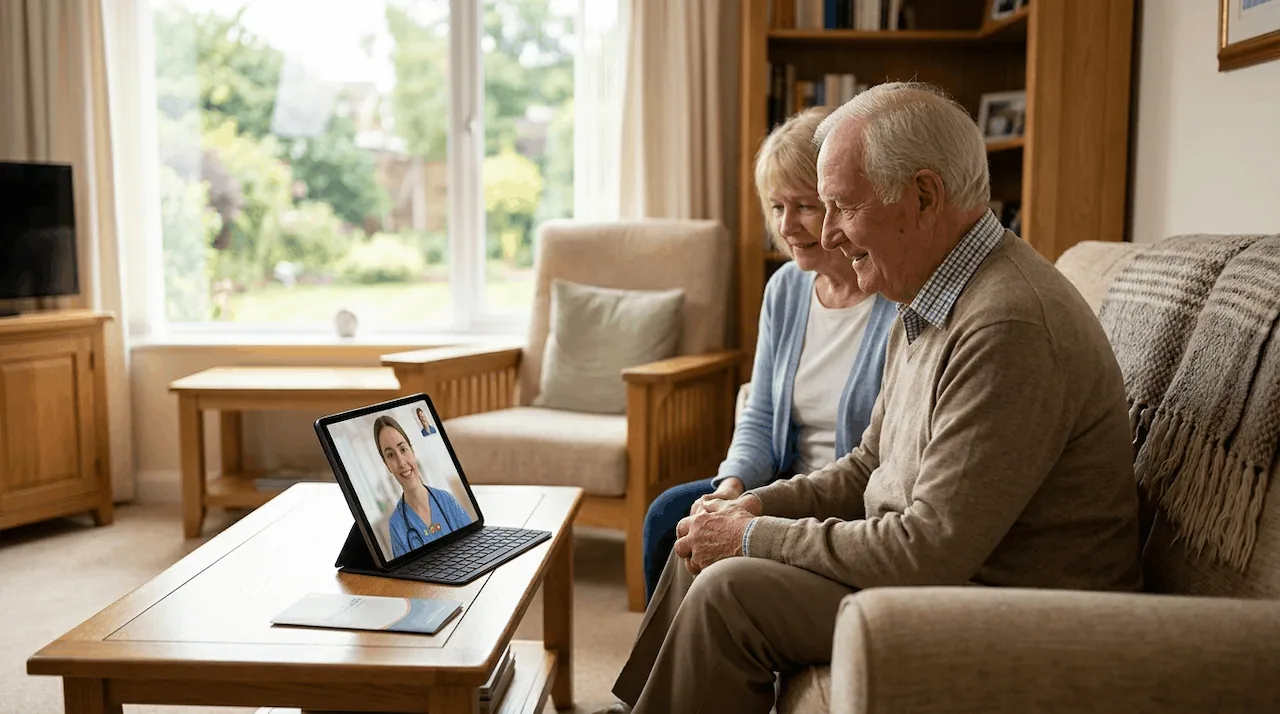
For many years, distance was a significant hurdle in mesothelioma care. The best specialists are few and far between, concentrated in specialized research hospitals in large metropolitan areas. For a patient in a rural setting, obtaining a mesothelioma second opinion might have meant a six-hour car ride or even an exhausting flight, both of which are physically demanding and emotionally draining.
Arranging a second opinion is usually something a family member takes on. This page covers how to set one up and what it costs, from the perspective of the person making the arrangements.
Where to find a specialist: Most mesothelioma programs are at one of the 13 NCI-designated cancer centers that run a dedicated mesothelioma service. We list them with phone numbers in our caregiver guide to finding a mesothelioma specialist, including which centers do P/D versus EPP and how to ask for a second opinion.
Virtual consultations change this dynamic entirely. Telehealth allows you to meet face-to-face with a mesothelioma expert via a secure video connection. This “e-visit” provides an opportunity to discuss your diagnosis, review your medical history, and explore treatment options without the stress of travel. It brings the specialist to you, prioritizing your comfort and conserving your energy for what truly matters.
Still, telehealth is not always the whole answer. Some families will find that a virtual review is enough, while others will learn that an in-person visit is worth the trip. This guide walks you through both paths so you can decide what fits your loved one’s situation.
Why a Mesothelioma Second Opinion Can Change the Treatment Plan
Mesothelioma is a rare cancer, and many community hospitals and local oncologists may see only a handful of cases in their entire careers. That limited exposure matters, because the details of a mesothelioma diagnosis directly shape which treatments are on the table.
Under the microscope, mesothelioma can resemble other conditions, including lung adenocarcinoma that has spread to the lining of the lungs and non-cancerous inflammation of that lining. Even when the diagnosis itself is correct, the cell type matters. Epithelioid, sarcomatoid, and biphasic mesothelioma can behave very differently, and the cell type often influences whether surgery is considered, which drug combinations are recommended, and which clinical trials a patient may qualify for.
A second opinion typically involves more than a conversation. At a specialist center, pathologists may re-examine the original tissue slides, radiologists may re-read the scans, and a multidisciplinary team of surgeons, oncologists, and radiation specialists may review the case together. Any of these steps can refine the diagnosis or open up options that were not previously discussed.
Why This Matters: In a Mayo Clinic study of 286 patients referred for a second opinion, only 12% had their original diagnosis confirmed. About 66% left with a refined diagnosis, and 21% received a distinctly different diagnosis. The study covered many conditions, not mesothelioma specifically, but it shows how often a fresh set of expert eyes adds something new.
A second opinion does not always change the plan. Sometimes it confirms that the current approach is the right one, and that reassurance can be just as valuable for a family weighing difficult decisions.
Where to Get a Mesothelioma Second Opinion: Specialist Centers to Know
Several major cancer centers in the United States run dedicated mesothelioma or thoracic oncology programs. The following are examples families often explore, grouped by region to help you think about travel if an in-person visit becomes necessary:
- Northeast: Dana-Farber Cancer Institute and Brigham and Women’s Hospital (Boston), Memorial Sloan Kettering Cancer Center (New York), Mount Sinai (New York), and Penn Medicine’s Abramson Cancer Center (Philadelphia).
- South: The University of Texas MD Anderson Cancer Center (Houston) and Moffitt Cancer Center (Tampa).
- Midwest: Mayo Clinic (Rochester, Minnesota), Cleveland Clinic (Ohio), and University of Chicago Medicine.
- West: UCLA Health (Los Angeles).
- For veterans: The VA Boston Healthcare System and the VA Greater Los Angeles Healthcare System both offer dedicated mesothelioma care through their thoracic surgery programs, and the VA can help coordinate referrals.
You can also search the National Cancer Institute’s list of NCI-Designated Cancer Centers to find one closer to home. When you call, ask a simple question: “How many mesothelioma patients does your team see each year?” Experience with this specific cancer is one of the most useful things to look for.
This list is shared for educational purposes and is not an endorsement. The right center depends on your loved one’s diagnosis, insurance, and ability to travel.
Telehealth or Travel? Choosing the Right Type of Second Opinion
Most specialist centers offer more than one way to get a second opinion. Understanding the differences can help your family decide whether a trip is truly necessary.
Records-Only Remote Review
Some centers offer a written second opinion based on records alone. You send the pathology, imaging, and medical records, and a specialist returns a written report. There is no live visit, which makes this option gentle on patients who are tired or unwell. However, these programs are often self-pay and may not be covered by insurance.
Live Video Consultation
A video visit lets you speak with the specialist directly, ask questions in real time, and include family members from different locations. One detail families often miss: doctors generally must be licensed in the state where the patient is physically located during the video call. If the specialist is not licensed in your state, the center may ask you to switch to a records-only review or, in some cases, to be in a state where they are licensed at the time of the call. Ask about this when you schedule.
In-Person Visit
If surgery is being considered, a specialist will usually want to meet the patient in person. A physical exam, breathing tests, and additional scans help the team judge whether a patient is strong enough for an operation. A common approach is to start with a virtual review and travel only if the specialist recommends it. That way, any trip your family makes has a clear purpose.
Setting Up Your Virtual Mesothelioma Consultation
The first step in accessing a remote second opinion is setting up the technology for your virtual visit. While this might seem daunting if you are not tech-savvy, most telehealth platforms are designed to be user-friendly and accessible via a smartphone, tablet, or computer with a webcam.
The specialist’s office will typically provide detailed instructions and a secure link for the appointment. Before the actual consultation, it is wise to do a “dry run.” Ensure your device is charged, your internet connection is stable, and you are in a quiet, well-lit space where you won’t be interrupted. Having a family member or caregiver present can be immensely helpful, both for technical support and to take notes during the discussion.
Navigating the technical side of a virtual second opinion shouldn’t be a barrier to getting the expert care you deserve. Our team can help you verify your coverage and check your eligibility for financial support to ensure these vital consultations are fully funded.
Transferring Medical Imaging for Remote Specialist Review

A crucial component of a comprehensive second opinion involves the specialist reviewing your medical imaging, such as CT scans or MRIs. These high-resolution images contain vital details about the tumor’s location, size, and potential spread, which guide treatment recommendations. The idea of transferring these large digital files to a remote specialist can seem complicated, but modern medical systems have streamlined this process.
How to Securely Send Digital CT Scans
Most imaging centers now provide patients with a digital copy of their scans on a CD or USB drive. Alternatively, many hospitals utilize secure online patient portals or cloud-based image-sharing networks that allow for direct, encrypted transfer of imaging files to another institution. When scheduling your virtual consultation, ask the specialist’s coordinator exactly how they prefer to receive your images. Ensuring the specialist has these images well in advance of your appointment is essential for an informed CT scan review.
Be sure to request the actual image files, not just the written radiology report. Specialists need to view the scans themselves, usually in a standard medical format called DICOM.
Coordinating Pathology and Medical Record Transfer
In addition to imaging, the specialist will need to review your pathology reports and your relevant medical records. Your current medical team can usually facilitate this transfer. You will likely need to sign a medical release form authorizing your local doctors or hospital to share this information with the consulting specialist. Coordinating these transfers promptly ensures that the expert has all the necessary data to evaluate your case thoroughly.
A Simple Checklist for Requesting Records
Before you contact your current providers, ask the specialist center for its intake checklist. Most will request some version of the following:
- Pathology slides and tissue blocks: These come from the hospital’s pathology department, not the general medical records office. This is often the most important item, because it lets the specialist’s pathologists confirm the diagnosis and cell type themselves.
- Pathology report: The written summary of the original biopsy findings.
- Imaging files and reports: CT, PET, and MRI scans on disc, USB, or through an image-sharing network, plus the radiologist’s written reports.
- Surgical or procedure notes: Including any biopsy, fluid drainage, or surgery records.
- Treatment history: A summary from the current oncologist, a list of medications, and any chemotherapy or radiation records.
- Work and exposure history: A short written note about where and when asbestos exposure may have occurred, including military service, can give the specialist helpful context.
Under federal privacy law, patients have a right to access their medical records. Providers generally must respond within 30 days, with one possible 30-day extension, and may charge a reasonable fee for copies. Because that timeline can be long, it helps to start these requests as soon as you decide to seek a second opinion, and to follow up by phone a few days later.
VA & Insurance Coverage for Virtual Mesothelioma Visits
Understanding the financial aspects of telehealth is crucial for peace of mind. Coverage for virtual consultations has expanded significantly, driven by a growing recognition of their value and necessity in modern healthcare.
For veterans, the Department of Veterans Affairs (VA) has been a pioneer in telehealth, offering robust coverage and support for virtual visits, particularly for those living far from VA medical centers. Most private health insurance plans also now cover telehealth services similarly to in-person appointments. It is always best to contact your insurance provider directly before your appointment to confirm coverage details for an “e-visit.”
What a Mesothelioma Second Opinion May Cost
Costs vary widely depending on the type of review, the center, and your coverage. Here is what families typically encounter:
- Medicare: Part B covers second surgical opinions for medically necessary, non-emergency surgery, and may cover a third opinion if the first two disagree. Standard deductibles and 20% coinsurance usually apply. Telehealth rules under Medicare have changed several times in recent years, so confirm current video-visit coverage before booking.
- Private insurance: Many plans cover second opinions, but some require a referral or prior authorization, and an out-of-network center may cost more. Ask the insurer whether the specialist center is in network and whether pathology re-review is billed separately.
- VA: Veterans may be able to receive a second opinion within the VA system or through the VA’s Community Care program. Talk with your VA care team about a referral.
- Records-only programs: Written remote reviews are often self-pay. Ask for the full price up front, including pathology fees.
- Travel and records: If an in-person visit is needed, plan for transportation, lodging, and meals. Some hospitals offer discounted patient lodging, and copying records or imaging discs may carry small fees.
“Telehealth services can be a vital resource for cancer patients, offering a way to maintain close contact with their oncology team while reducing the physical and financial burdens of frequent travel to specialty centers.”
Source: National Cancer Institute
How to Ask for a Second Opinion Without Offending Your Doctor
Many families worry that asking for a second opinion will seem like a lack of trust. In reality, second opinions are a normal part of cancer care, especially for a rare cancer like mesothelioma. Most oncologists expect the question, and many welcome it.
It can help to frame the conversation around being thorough rather than doubting the doctor. For example:
“We appreciate everything you’ve done for Dad. Because mesothelioma is so rare, our family would feel more at peace having a specialist center review his case too. Could you help us send his records and slides, and would you be willing to talk with them if they have questions?”
A few other tips can keep the relationship strong:
- Ask your doctor whether they recommend a particular center. Many oncologists have colleagues they trust at major mesothelioma programs.
- Make it clear that you plan to share the results. The second opinion is meant to support the care team, not replace it.
- If the specialist suggests a different approach, ask both doctors to talk directly. Many treatment plans can be carried out close to home in coordination with a specialist center.
If a doctor reacts poorly to the request, that reaction itself is useful information. Your loved one’s care should always come first.
MesoCare’s Commitment to Accessibility and Comfort
At MesoCare, our guiding philosophy centers on making comprehensive care accessible and comfortable for all mesothelioma families. We recognize that the burden of this disease extends far beyond its physical symptoms, impacting mental well-being and logistical challenges. By championing telehealth and simplifying the path to expert opinions, we aim to alleviate some of this burden.
Our resources and support systems are designed to bridge the gap between rural patients and urban specialists. We provide guidance on navigating the telehealth process and offer a compassionate ear for any concerns. Comfort isn’t just a luxury; it’s a vital component of quality life during treatment. Accessing expert care from the comfort of home embodies this principle.
Telehealth as a Vital Tool in Your Mesothelioma Journey
A second opinion can be transformative, sometimes revealing new treatment possibilities, clinical trials, or simply confirming that your current plan is the best path forward. Telehealth removes the physical and financial strain of travel, making this critical step attainable for everyone. Embracing this technology empowers you to take control of your health journey and facilitates timely access to specialists who possess the deep understanding required for effective oncology telehealth management.
Empowering Rural & Weak Patients Through Virtual Care
The true power of telehealth lies in its ability to empower the most vulnerable patients. If you reside in a remote area, you are no longer limited by the expertise available locally. If your symptoms leave you weak and unable to endure travel, you can still consult with top minds in the field. This inclusivity is central to modern, patient-centered care.
Check Eligibility for Mesothelioma Financial Aid in 2026
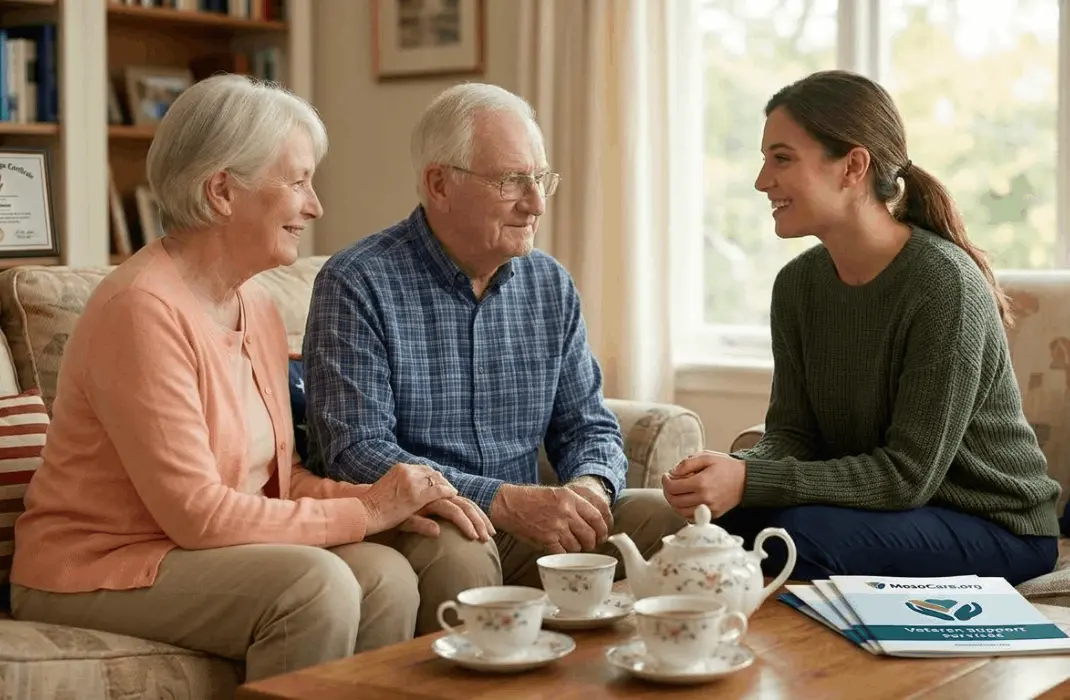
Navigating a mesothelioma diagnosis involves more than just medical decisions; it often brings significant financial considerations. From treatment costs to logistical expenses, the financial strain can be substantial. Several sources of financial support may be available, including asbestos trust funds.
Key Fact: Most asbestos trusts offer an “Expedited Review” track. Claims that meet a trust’s set medical and exposure criteria are paid a fixed, scheduled amount, which is usually faster than the more detailed Individual Review option. Processing times vary by trust.
Source: U.S. Government Accountability Office, GAO-11-819
Connecting with Support and Resources for Your Comfort
Beyond expert medical opinions, mesothelioma families often benefit greatly from additional layers of support. Connecting with advocacy groups and specialized resource organizations can provide valuable emotional strength and practical advice. We encourage you to explore these avenues to enhance your overall well-being. Understanding that others are on a similar journey can be profoundly comforting as you work with MesoCare.
Telehealth Utilization Stat: Recent data suggests that telehealth adoption in oncology has increased by over 38% for patients residing in rural areas, significantly reducing the time to first consultation with a specialist.
Mesothelioma Second Opinion: Frequently Asked Questions
When is the best time to get a mesothelioma second opinion?
Ideally before treatment begins, since some decisions, such as whether to pursue surgery, are hard to revisit later. That said, a second opinion can still be helpful at any stage, including when a treatment stops working.
Will a second opinion delay treatment?
It can add some time, mostly while records and slides are gathered. Starting record requests early helps. If you are concerned about timing, ask your current doctor how long it is safe to wait.
Can a family member arrange the second opinion?
Yes, with the patient’s written permission. The patient will usually need to sign release forms so that records can be sent and so the family member can speak with the specialist’s office.
Do we have to switch doctors after a second opinion?
No. Many patients continue treatment with their local oncologist while following recommendations from the specialist center. The choice is always yours.
Medical Disclaimer: MesoCare.org provides educational information and is not a medical provider. We are not doctors. This content is not intended to be a substitute for professional medical advice, diagnosis, or treatment. Always seek the advice of your physician with any questions regarding a medical condition. Treatments mentioned are options that may help and should be discussed with a specialist.
Legal Disclaimer: MesoCare.org is a resource center and advocacy group, not a law firm. We do not provide legal advice or guarantee specific financial outcomes. No attorney-client relationship is formed by using this site or contacting an advocate. Potential compensation or grant amounts are estimates and vary by individual case.