

Most mesothelioma diagnoses fall into two categories, and that split can shape everything from the specialists you see to the records you will need for care and potential compensation. If you are trying to understand Pleural vs. Peritoneal Mesothelioma after a new diagnosis, the uncertainty can feel immediate: What does each type affect? Which symptoms matter most? What happens next?
Receiving this news stops time. Suddenly, you are navigating appointments, insurance, and the fear of the unknown. Our goal is to provide the clarity you need to move forward. You will learn how these types differ, what the diagnostic process commonly includes, and how to access financial aid for mesothelioma families to help cover the costs of treatment.
Understanding Cell Types: The Biology of Your Diagnosis
When you receive a pathology report, you may see terms like “epithelioid” or “sarcomatoid.” While location (pleural vs. peritoneal) tells us where the cancer is, the cell type tells us how the cancer behaves. Understanding this can help families set realistic expectations and choose the best specialists.
The Three Primary Mesothelioma Cell Types
- Epithelioid Mesothelioma: This is the most common cell type, appearing in about 70% to 80% of cases. These cells are cube-like and tend to clump together, which often makes them slower to spread and more responsive to treatments like surgery and chemotherapy.
- Sarcomatoid Mesothelioma: These spindle-shaped cells are more aggressive and spread more quickly. Because they do not “stick” together as easily, they can be harder to treat with traditional surgery. However, new immunotherapy options are showing promise for this specific type.
- Biphasic Mesothelioma: This is a mix of both epithelioid and sarcomatoid cells. The roadmap for treatment often depends on which cell type is more dominant in the tumor.
Knowing your cell type is the first step in finding a specialized mesothelioma doctor who can tailor a plan to your specific needs. If your report is unclear, your patient advocate can help you request a second opinion from a top-tier pathology lab.
What is the Difference Between Pleural and Peritoneal Mesothelioma?
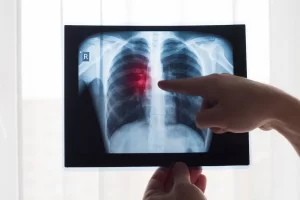
Mesothelioma is a rare cancer caused by breathing in or swallowing microscopic asbestos fibers. Over time, these fibers cause irritation in the linings of vital organs. The location of this irritation determines the type of mesothelioma you have.
- Pleural Mesothelioma: This type affects the lining of the lungs (the pleura). It is the most common form, accounting for roughly 80% of all cases.
- Peritoneal Mesothelioma: This type develops in the lining of the abdomen (the peritoneum). It is less common but often requires specialized abdominal care.
You are not alone in this journey. If the weight of medical bills is adding to your stress, you can check your eligibility for financial support to help manage your family’s needs.
Check Eligibility for Financial Aid
Common Symptoms and Warning Signs
Because these symptoms often mimic common illnesses like pneumonia or digestive issues, it is vital to share any history of asbestos exposure with your doctors. According to the CDC’s overview of mesothelioma basics, the symptoms vary based on where the cancer is located.
The Latency Period: A Decades-Long Silence
One of the most confusing aspects of a mesothelioma diagnosis is the timing. Many patients ask, “How can I be sick now if I haven’t worked around asbestos since the 1970s?” This is due to the latency period, which is the time between initial exposure and the first appearance of symptoms.
Mesothelioma is a “silent” disease that typically takes 20 to 60 years to develop. Microscopic asbestos fibers lodge in the lining of the lungs or abdomen and cause slow, internal irritation over decades. This is why many families do not notice symptoms until their loved one is in their 70s or 80s. Understanding this timeline is crucial for documenting your history—even a summer job from fifty years ago could be the source of your eligibility for aid.
Pleural Symptoms (Lungs):

- Shortness of breath or feeling winded.
- Pain in the chest or under the rib cage.
- A persistent, dry cough.
- Unexplained fatigue.
Peritoneal Symptoms (Abdomen):
- Abdominal swelling or a feeling of fullness.
- Pain or discomfort in the stomach area.
- Changes in bowel habits or nausea.
- Weight loss without a clear cause.
“Morbidity and mortality of the disease are related to progressive effects within the abdominal cavity, such as distention, pain, and early satiety… Average time from symptom onset to diagnosis of peritoneal mesothelioma is 4 to 6 months.”
Diagnostic Paths and Treatment Options
Obtaining an accurate diagnosis is a multi step process. Most doctors will begin with imaging, such as X-rays or CT scans, to look for fluid buildup or thickening of the organ linings. However, the only way to confirm the diagnosis is through a biopsy.
Once a diagnosis is confirmed, your medical team will discuss treatments that may help. For pleural cases, this might include surgery or specialized radiation. For peritoneal cases, many patients benefit from specialized heated chemotherapy (HIPEC) which treats the abdominal area directly.
A Caregiver’s Roadmap: Navigating the First 30 Days
As a caregiver, you are the primary patient advocate. The first month after a diagnosis is often a whirlwind of paperwork and appointments. To help manage the overwhelm, we recommend the “Notebook Method” to keep your family’s roadmap organized.
Practical Steps for Families

- The Medical Binder: Keep a physical folder with copies of every biopsy report, CT scan disc, and blood test. Having these ready can save weeks of time when seeking a second opinion.
- Document the History: Sit down with your loved one and write a “Work and Service Diary.” Note every job site, military base, and even the brands of insulation or brakes they remember using. This document is the key to accessing asbestos trust funds.
- Nutrition and Comfort: Both pleural and peritoneal treatments can affect appetite. Focus on small, high-protein meals and stay ahead of symptoms like nausea or “chemo-brain” by keeping a daily symptom log for the nursing team.
Remember, you do not have to carry this alone. There are support resources and grants available specifically to help caregivers manage travel costs and home care needs.
How to Support Your Prognosis
While every diagnosis is unique, patients who work with a specialized mesothelioma doctor often have more treatment avenues available to them. Organizing your medical records and your work or military history now can help your advocates find the best resources for your specific situation.
Financial Assistance and Next Steps
Many families are surprised to learn that help is available. Because this disease is tied to asbestos exposure from decades ago, billions of dollars have been set aside to help patients. This support is often provided through Asbestos Trust Funds, which were created to provide payouts for medical care without the need for a courtroom trial.
If you or a loved one served in the military, you may also be eligible for veterans disability benefits to cover your healthcare costs. We recommend checking your eligibility as soon as possible, as there are often specific windows of time to file these claims before the 2026 deadlines.
At MesoCare, we are here to act as your roadmap through this difficult time. Whether you need help finding a specialist or understanding how to pay for care, our advocates are ready to guide you.
Key Statistic:
As of 2026, the American Cancer Society reports that pleural mesothelioma accounts for about 80% of all new diagnoses, while peritoneal mesothelioma makes up the remaining 15% to 20%.
Source: American Cancer Society
Medical Disclaimer: MesoCare.org provides educational information and is not a medical provider. We are not doctors. This content is not intended to be a substitute for professional medical advice, diagnosis, or treatment. Always seek the advice of your physician with any questions regarding a medical condition. Treatments mentioned are options that may help and should be discussed with a specialist.
Legal Disclaimer: MesoCare.org is a resource center and advocacy group, not a law firm. We do not provide legal advice or guarantee specific financial outcomes. No attorney-client relationship is formed by using this site or contacting an advocate. Potential compensation or grant amounts are estimates and vary by individual case.