
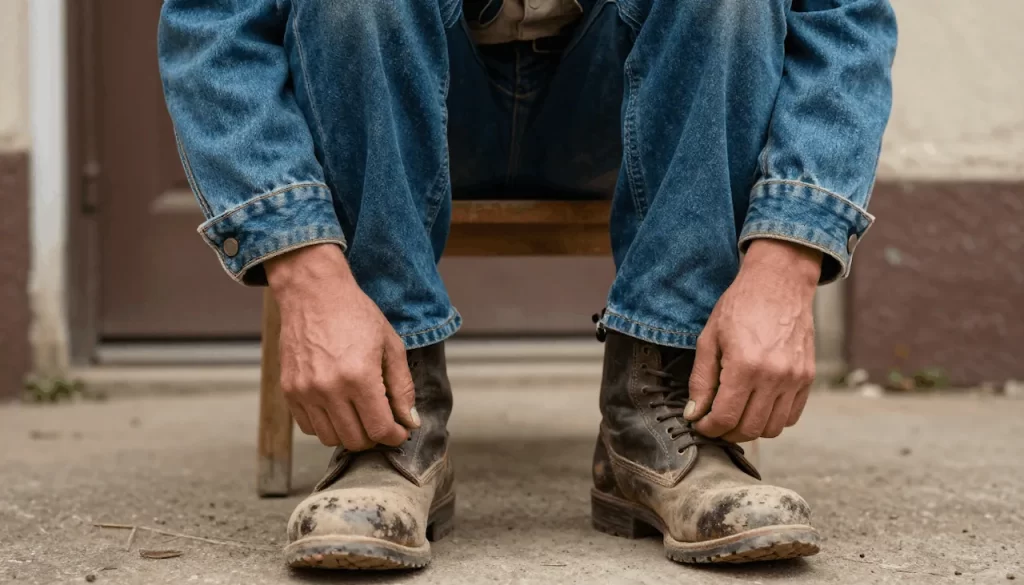
You didn’t have to step foot on a job site to be at risk for asbestos-related illness. For many spouses and children, the danger didn’t come from a factory or a shipyard, but from the laundry room or a hug at the front door. This “take-home” or secondary asbestos exposure happens when microscopic fibers hitch a ride on a loved one’s work clothes, settling into the carpets and air of a family home. At MesoCare, we believe families who supported their breadwinners shouldn’t have to carry the burden of a diagnosis alone.
At MesoCare, we understand this fear and confusion. Our mission is to provide clear, compassionate guidance and help you understand how to protect your family and access the support you deserve. You are not alone.
Asses your eligibility for financial aid to cover treatments.
Check Eligibility for Financial Aid
What is Secondary Asbestos Exposure?
Secondary asbestos exposure, also known as household or para-occupational exposure, occurs when asbestos fibers are brought into the home on clothing, hair, skin, or tools. It typically happens when someone who works directly with asbestos materials unknowingly carries the microscopic fibers home, exposing their family members.
For decades, workers in industries like shipbuilding, construction, manufacturing, and automotive repair were exposed to asbestos. They might have showered at work, but often, tiny asbestos particles clung to their uniforms, work boots, and even their lunchboxes. When they returned home, these fibers could become airborne as clothes were shaken, laundered, or simply moved around the house. Family members then unknowingly inhaled or ingested these dangerous fibers.
How Does Asbestos Exposure Occur in the Home Environment?
- Laundering Contaminated Clothes: This is one of the most common pathways. Spouses washing a loved one’s work clothes could inhale fibers released during the washing process or when shaking out garments.
- Direct Contact: Hugging a spouse after work or playing with a parent immediately upon their return could transfer fibers directly to family members.
- Shared Living Spaces: Asbestos fibers can settle on furniture, carpets, and other surfaces, becoming airborne again with everyday activities like dusting, vacuuming, or walking through a room.
- Car Rides: Sitting in a car with contaminated work clothes or tools could also lead to exposure.
The insidious nature of asbestos means that even a small amount of exposure over time can be enough to cause serious health issues decades later. It’s a stark reminder that the impact of asbestos extends far beyond the workplace.
Who is at Risk for Household Asbestos Exposure?

Anyone living with or regularly interacting with an asbestos worker was potentially at risk. However, certain individuals faced a higher likelihood of significant exposure:
- Spouses: Often handling work clothes, shaking them out before washing, a process that could release a significant amount of asbestos fibers into the air.
- Children: Young children playing near a parent’s contaminated clothing or in a home where fibers had settled were also highly vulnerable. Their developing lungs are particularly susceptible to damage.
- Other Family Members: Anyone sharing a living space, such as siblings, parents, or even roommates, could also be exposed to these lingering fibers.
The latency period for asbestos-related diseases like mesothelioma can be 20 to 50 years, meaning that symptoms often don’t appear until long after the exposure occurred. This makes it challenging to trace the source, but it underscores the importance of understanding past exposures.
Common Professions Linked to Secondary Asbestos Exposure
Many professions involved direct asbestos exposure, leading to secondary risks for their families. These include:
- Shipyard Workers: Especially during WWII and later, asbestos was rampant in naval ships for insulation and fireproofing.
- Construction Workers: Insulators, pipefitters, electricians, and demolition crews often worked with asbestos-containing building materials.
- Factory and Industrial Workers: Those in chemical plants, power generation, and manufacturing industries frequently encountered asbestos.
- Auto Mechanics: Brake linings and clutch pads contained asbestos for many years.
If a loved one worked in any of these industries, especially before the late 1980s, it’s crucial to be aware of the potential for Asbestos Exposure Risks that may have impacted your family.
Recognizing Symptoms of Asbestos-Related Diseases
The symptoms of asbestos-related diseases like mesothelioma, asbestosis, and lung cancer often develop gradually and can be mistaken for more common ailments. It’s vital to be vigilant, especially if you have a history of secondary exposure.
“Mesothelioma is a rare and aggressive cancer that starts in the lining of the lungs (pleura), abdomen (peritoneum), or heart (pericardium). The vast majority of mesotheliomas are caused by exposure to asbestos.”
Source: American Cancer Society
Key Symptoms to Watch For:
- Persistent Cough: A cough that doesn’t go away, often dry or with phlegm.
- Shortness of Breath: Difficulty breathing, especially during physical activity.
- Chest Pain: Pain or discomfort in the chest or shoulder, often localized.
- Unexplained Weight Loss: Significant weight loss without trying.
- Fatigue: Persistent tiredness and lack of energy.
- Swelling in the Abdomen: For peritoneal mesothelioma, fluid buildup can cause abdominal swelling and pain.
If you or a family member experience any of these symptoms, particularly with a known history of asbestos exposure, it’s crucial to consult a doctor and inform them about the potential exposure. Early diagnosis is key for treatments that may help.
Coping with a Diagnosis: Support and Financial Aid

A diagnosis of an asbestos-related disease is devastating, but you don’t have to face it alone. There are resources available to help you navigate this challenging time. MesoCare is here to provide guidance on medical support, financial assistance, and emotional care.
Accessing Financial Grants and Compensation
Many families affected by asbestos exposure are eligible for significant financial aid. This isn’t charity; it’s compensation from the companies responsible for the exposure. Key avenues include:
- Asbestos Trust Funds: Over $30 billion has been set aside in trust funds by bankrupt asbestos companies to compensate victims and their families. These are often framed as “funds” or “grants.” Learn more about financial assistance for mesothelioma.
- VA Benefits: For veterans exposed to asbestos during military service, various VA benefits are available, including disability compensation and healthcare coverage. Many veterans were exposed in shipyards or on naval vessels.
- Social Security Disability: If the disease prevents you from working, Social Security Disability benefits can provide a crucial income stream.
Understanding these options can be complex, but our patient advocates are here to simplify the process and help you check your eligibility before the 2026 deadlines. It’s about securing the support you need for medical care and to maintain your family’s financial stability.
Finding Medical Experts and Support
Connecting with top mesothelioma specialists and comprehensive cancer centers is vital. These experts have the experience and access to advanced treatments that can make a significant difference. MesoCare can help you find leading doctors and treatment facilities. We also offer resources for managing symptoms, understanding clinical trials, and finding support groups. You can find more information about mesothelioma treatment options.
Caring for a loved one with mesothelioma also takes an emotional toll. It’s important for caregivers to seek support as well. Connecting with others and utilizing counseling services can help manage the stress and grief.
Preventing Future Asbestos Exposure
While the primary source of household asbestos exposure often comes from past occupational settings, it’s still important to be aware of potential risks in older homes or buildings. Asbestos was commonly used in insulation, flooring, and roofing before the 1980s.
Tips for Home Safety:
- Do Not Disturb: If you suspect asbestos in your home (e.g., old floor tiles, pipe insulation), do not disturb it. Asbestos is generally safe if left undisturbed.
- Professional Inspection: If you plan renovations or suspect damage, hire a certified professional to inspect and safely remove materials.
- Awareness: Educate yourself and your family about the presence of asbestos in older materials. The EPA offers extensive guidance on asbestos in the home.
At MesoCare, our commitment is to provide clear, actionable information and compassionate support. If you believe you or a loved one has been affected by secondary or household asbestos exposure, please reach out to our Patient Advocates. We can help you understand your options and explore financial aid avenues. Your family deserves every possible resource in this fight. Visit MesoCare.org to learn more and get the support you need.
Key Fact: Symptoms of asbestos-related diseases often take 20 to 50 years to appear after the initial household exposure, making it vital for family members of former industrial workers to monitor their respiratory health long after the exposure has ended.
Source: Agency for Toxic Substances and Disease Registry (CDC)
Medical Disclaimer: MesoCare.org provides educational information and is not a medical provider. We are not doctors. This content is not intended to be a substitute for professional medical advice, diagnosis, or treatment. Always seek the advice of your physician with any questions regarding a medical condition. Treatments mentioned are options that may help and should be discussed with a specialist.
Legal Disclaimer: MesoCare.org is a resource center and advocacy group, not a law firm. We do not provide legal advice or guarantee specific financial outcomes. No attorney-client relationship is formed by using this site or contacting an advocate. Potential compensation or grant amounts are estimates and vary by individual case.